Blog
What Are Natural Essential Oils Used For?
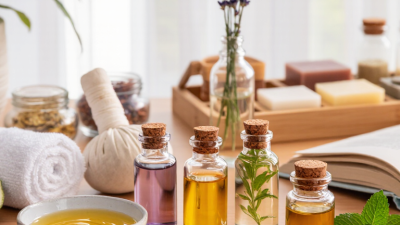
Natural Essential Oils appear in home fragrances, personal-care products, massage blends, and selected wellness routines. Their uses range from creating a calming room atmosphere to adding scent to shampoos and lotions. However, their popularity can make their risks seem smaller than they are.
Grand View Research reported that the global essential oils market reached approximately US$8.8 billion in 2023. It also projected continued growth through 2030, driven by cosmetics, food, beverages, and aromatherapy. These figures show commercial momentum, not proof that every claimed benefit works. That distinction matters. A pleasant lavender aroma may support relaxation for some people, but it should not replace medical treatment or professional advice.
Robert Tisserand, a leading essential-oil safety educator and coauthor of Essential Oil Safety, offers a useful warning: “Natural does not mean safe.” His statement reflects practical experience with dilution, skin sensitivity, phototoxicity, and unsafe ingestion. The International Fragrance Association and the European Chemicals Agency also emphasize responsible use, ingredient assessment, and exposure control.
Small details matter. A citrus oil on sun-exposed skin can create problems. An undiluted drop may irritate the wrist. Pets, children, pregnant individuals, and people taking medication may need additional caution. Not every bottle has equal quality, either. Labels can be incomplete, and marketing language can outrun the evidence.
This guide examines what Natural Essential Oils are commonly used for, while questioning exaggerated promises. The evidence remains uneven. That is uncomfortable, but more honest. A thoughtful approach considers the oil, the person, the dose, and the setting before use.
Read more »
 By:Ava
- October 28, 2026
7 Best Botanical Fungicide Ingredients for Global Buyers
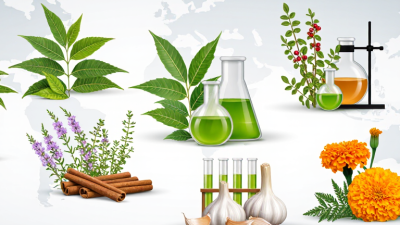
Botanical Fungicide Ingredients are attracting global buyers seeking effective, plant-based tools for modern crop protection. Demand is growing across organic production, residue-conscious supply chains, and integrated pest management programs. Yet natural origin does not automatically guarantee safety, consistency, or field performance. Buyers need evidence, not attractive labels.
This guide examines seven widely discussed ingredients and their practical value. Each option is considered through its botanical source, active compounds, target pathogens, formulation needs, and expected application conditions. Neem-derived compounds, tea tree oil, thyme oil, and other extracts may perform differently under sunlight, rainfall, temperature changes, and heavy disease pressure. Small details matter. A greenhouse result may not predict orchard performance. That distinction is easy to miss.
Reliable purchasing also requires careful supplier assessment. Look for standardized specifications, batch testing, safety data, residue information, and clearly documented use instructions. Registration requirements differ between countries, sometimes significantly. A product accepted in one market may require additional review elsewhere. Buyers should confirm local rules before importing, distributing, or applying any product.
The strongest choice depends on the crop, pathogen, climate, and application system. No single botanical ingredient fits every farm. Cost matters too, especially when repeated applications are necessary. Some ingredients appear promising but still need broader field validation. This article offers a practical starting point, while recognizing that product quality and local trial data can change the final decision.
Read more »
 By:Liam
- October 23, 2026
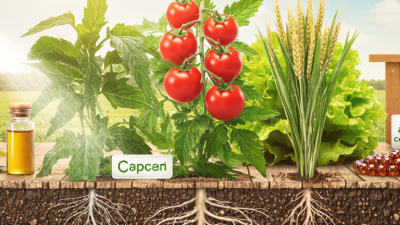
2026 Top Types of Botanical Plant Growth Stimulants
Botanical Plant Growth Stimulants are becoming important tools for growers seeking stronger crops with fewer resource losses. They are not conventional fertilizers or pesticides. Instead, they support plant processes such as nutrient uptake, root development, stress tolerance, and recovery after heat or drought.
Industry reports show why interest is rising. MarketsandMarkets estimated the global biostimulants market at approximately USD 3.1 billion in 2023, with continued growth expected through 2028. The Food and Agriculture Organization has also emphasized improving nutrient-use efficiency and soil health as agriculture faces water, climate, and productivity pressures. Meanwhile, the European Biostimulant Industry Council describes biostimulants by their function, rather than only by their ingredients. This distinction matters.
The 2026 landscape includes several leading categories. Seaweed extracts are valued for their natural compounds and practical use in foliar sprays. Humic and fulvic substances are commonly applied to support soil structure and nutrient availability. Amino acids and protein hydrolysates may help plants respond to transplanting, salinity, or temperature stress. Microbial inoculants, including beneficial bacteria and fungi, target the root zone. Selected botanical extracts are also gaining attention for their diverse bioactive compounds.
Evidence is promising, but not uniform. Results can change with crop variety, soil texture, application timing, and dosage. A product that improves tomato root growth may perform differently in wheat or lettuce. Therefore, this guide compares the top types using composition, reported functions, field practicality, and evidence quality. The category is not perfectly standardized. Careful interpretation remains essential.
Read more »
 By:Emily
- October 18, 2026

China Top Agricultural Botanical Extracts Suppliers
China has become a significant source of Agricultural Botanical Extracts for food, cosmetics, agriculture, and wellness applications. Its supplier base includes large manufacturers, specialized processors, and smaller regional producers.
Choosing a reliable supplier requires more than comparing prices. Buyers should examine botanical identification, extraction methods, active-marker testing, and batch-to-batch consistency. A serious supplier can explain its raw material sources clearly. It should also provide traceability records, technical data sheets, certificates of analysis, and relevant quality-system documentation.
The best suppliers usually demonstrate practical experience with herbs, roots, flowers, seeds, or leaves. Their facilities may include stainless-steel extraction tanks, controlled drying rooms, and dedicated testing laboratories. These details matter. They reveal how carefully a supplier manages moisture, contamination risks, and storage conditions.
Independent testing can strengthen confidence in identity, purity, heavy-metal limits, pesticide residues, and microbiological safety. Buyers should confirm that testing matches the destination market and intended application. Regulatory expectations differ across countries, so broad claims can be misleading.
A “top” supplier is not always the largest company. Communication, sampling accuracy, production flexibility, and after-sales support also influence long-term performance. Ask for a pilot batch before signing a major contract. It can expose differences between laboratory samples and commercial production.
Some supplier websites present impressive facilities but limited evidence. That deserves reflection. A polished brochure cannot replace verifiable records, clear specifications, and responsive technical communication. This guide introduces leading Chinese Agricultural Botanical Extracts suppliers through a practical, evidence-based lens. It considers capability, reliability, transparency, and responsible sourcing. No ranking should be treated as permanent. Supplier performance can change with raw materials, management, and market requirements.
Read more »
By:Emily
- October 13, 2026

10 Best Animal Health Plant Extracts Suppliers Worldwide
Choosing reliable suppliers for Animal Health Plant Extracts requires more than comparing product catalogs or advertised prices. Extracts used in livestock, poultry, aquaculture, and companion-animal products must be evaluated through documented quality systems, botanical identity, extraction methods, and batch consistency. A dependable supplier should provide certificates of analysis, traceability records, contaminant testing, and clear information about active compounds. These details matter when a powder arrives in a sealed drum, yet its color, aroma, and solubility differ from the previous batch.
This guide examines 10 Best Animal Health Plant Extracts Suppliers Worldwide through practical and professional criteria. The selection considers manufacturing experience, technical support, research cooperation, sourcing transparency, and compliance with applicable regional regulations. It also considers whether suppliers can support pilot trials, stable formulations, and realistic delivery schedules. Not every company will excel in every category. That is worth admitting.
Supplier reputation can change as facilities, management, or sourcing regions change. Buyers should verify current documents directly and request representative samples before making commitments. Independent laboratory testing remains valuable, especially for products intended for sensitive animals or complex feed formulas. The strongest suppliers do not simply promise performance; they explain limitations, recommended inclusion levels, storage conditions, and evidence behind their claims. This overview offers a careful starting point, not a substitute for veterinary judgment, regulatory review, or controlled product validation.
Read more »
By:Ava
- October 8, 2026
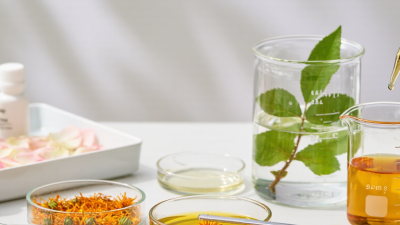
Why Choose Cosmetic Botanical Ingredients?
Why Choose Cosmetic Botanical Ingredients?
A botanical extract can make a formula feel connected to the living world. Think of calendula petals, green tea leaves, or a drop of cold-pressed jojoba oil. Yet visual appeal is not enough. Cosmetic Botanical Ingredients deserve careful evaluation, not romantic assumptions.
In professional formulation work, performance begins with identity, concentration, and compatibility. A rose extract may soothe a carefully designed formula, but its result depends on extraction method and stability. A poorly preserved product can fail, even when its ingredient list sounds beautiful. That detail matters.
Natural is not automatically better.
Cosmetic scientist Michelle Wong often reminds readers, “Natural doesn’t mean safe, and synthetic doesn’t mean dangerous.” Her statement offers a useful standard for honest product development. Botanical materials can contain beneficial compounds, but they may also include allergens or vary between harvests. Reliable suppliers therefore document origin, testing, contaminants, and batch consistency.
The strongest formulas balance tradition with evidence. They assess skin feel, irritation potential, microbiological safety, and shelf stability. They also explain what an ingredient can realistically do. No plant extract can erase every concern overnight.
There is room for reflection here. Some botanical marketing still promises more than research can support. That weakens consumer trust. A better approach is modest, transparent, and measurable. Choose ingredients with traceable sourcing. Use validated testing. Respect sensitive skin.
Botanicals can enrich modern skincare, but only when enthusiasm meets discipline. That balance creates products people can understand, use confidently, and trust over time.
Read more »
By:Liam
- October 3, 2026
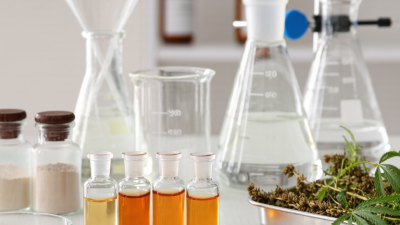
Top Lespedeza Capitata Extract Types for Buyers in 2026?
Buying Lespedeza Capitata Extract in 2026 starts with a basic question: what does “best” mean for your application? A pale powder may suit one formulation, while another buyer may need a liquid extract with clear carrier and solubility details. The label is only the beginning. Plant-part identification, extraction method, marker-compound testing, and batch documentation all shape a product’s usefulness.
This guide compares the main extract types buyers may encounter, including powders, liquids, and standardized options. It also outlines practical checks: request the botanical identity, review the certificate of analysis, and confirm that the test results match the current lot. Small details matter. A missing plant-part description or vague “standardized” claim can make two products difficult to compare. Supplier claims should be checked, not merely repeated.
A verified, species-specific quotation from a named Lespedeza Capitata Extract expert was not provided, so this introduction avoids inventing one. That restraint matters in a market where confident wording can sound more certain than the available evidence. Buyers should compare documented specifications and ask suppliers direct questions before choosing. The evidence may still leave gaps. Recognizing them is part of making a sound decision.
Read more »
By:Emily
- September 28, 2026
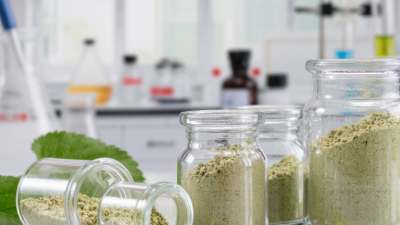
Top 10 Mulberry Leaf Extract Powder Suppliers Worldwide
Sourcing reliable Mulberry Leaf Extract Powder requires more than comparing prices or polished supplier websites. Product quality can vary with cultivar, harvest season, drying temperature, and extraction method. This guide examines ten suppliers serving international buyers, with attention to practical evidence rather than promotional language.
Each supplier is considered through measurable factors, including botanical identification, active compound testing, contaminant controls, batch consistency, and traceability. Certificates of analysis should show test dates, methods, and laboratory details. Clear documentation matters. Manufacturing standards, organic options, packaging protection, minimum order quantities, and export experience also influence purchasing decisions. A supplier may offer attractive pricing but provide limited information about heavy metals, pesticides, or microbial results. That weakness deserves attention.
The ranking is not an absolute verdict. Regional availability, currency changes, production capacity, and changing certifications can affect a supplier’s suitability. Buyers should request recent samples and compare them with the stated specifications before placing large orders. A powder that looks pale green may still differ significantly in purity or extraction strength. That is easy to overlook. We also recognize that public information is sometimes incomplete, and this article cannot replace an independent audit or laboratory review. The goal is practical guidance: to help manufacturers, distributors, and formulators identify credible partners, ask sharper questions, and reduce avoidable sourcing risks in the global Mulberry Leaf Extract Powder market.
Read more »
By:Ava
- September 23, 2026

China Best Polygonum Cuspidatum Extract Supplier?
Choosing the China Best Polygonum Cuspidatum Extract Supplier requires more than comparing prices or reading polished brochures. A reliable supplier should demonstrate practical experience, technical knowledge, and consistent quality control. Polygonum Cuspidatum Extract is commonly evaluated for its resveratrol content, botanical identity, extraction method, and batch stability. These details matter when the ingredient will enter supplements, cosmetics, or research formulations.
Look for clear documentation, including certificates of analysis, testing methods, allergen statements, and traceability records. Independent testing for heavy metals, pesticides, microbes, and residual solvents can provide stronger assurance. Ask whether the supplier follows recognized manufacturing practices and supports applicable market regulations. A professional team should explain its raw material sources, processing temperatures, packaging conditions, and recommended storage. Small details reveal real competence.
A polished website proves little.
Direct communication also matters. Experienced suppliers usually answer specific questions without hiding behind general claims. They may provide samples, technical data, and production photographs, although photographs alone cannot confirm quality. No supplier is perfect, and even a promising company may need closer verification. Buyers should compare several factories, review recent documents, and confirm whether test results match the exact production batch. This careful process creates a more reliable foundation for selecting a trusted Chinese Polygonum Cuspidatum Extract partner. The best choice is not simply the lowest-cost supplier. It is the supplier that combines transparent evidence, responsive service, stable production, and responsible compliance.
Read more »
By:Emily
- September 18, 2026
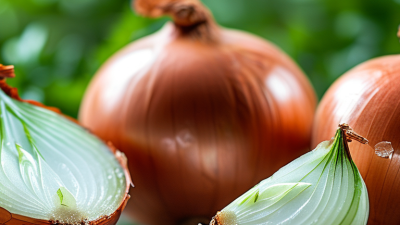
2026 How to Source High Quality Onion Extract for Your Business?
Onion Extract has become a vital ingredient in many industries. From cosmetics to food supplements, its benefits are widely recognized. Dr. Emily Carter, a leading expert in botanical extracts, once stated, “The quality of Onion Extract can significantly influence the effectiveness of the final product.” This highlights the importance of sourcing high-quality onion extracts.
When sourcing Onion Extract for your business, factors such as purity and extraction method matter. The market offers various sources, but not all provide reliable quality. Ensure that your supplier follows stringent quality control measures. Look for certifications and transparency in sourcing practices. Engaging with suppliers who have a documented history of quality can help establish trust.
However, challenges persist in achieving the ideal quality. Some suppliers may prioritize cost over quality. Businesses may sometimes overlook the nuances of different extraction methods. Reflecting on these aspects is crucial. You may need to adjust your sourcing strategy as the market evolves. Emphasizing quality will ultimately benefit your products and brand reputation in the long run.
Read more »
By:Ava
- August 19, 2026
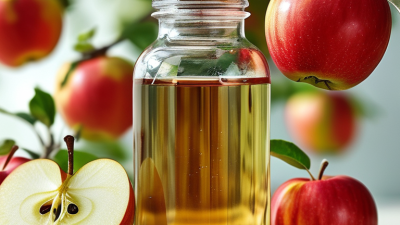
Top 5 Benefits of Apple Root Bark Extract for Buyers?
Apple Root Bark Extract has garnered attention for its numerous health benefits. Many buyers are curious about how this natural remedy can enhance well-being. It is crucial to explore the top advantages of Apple Root Bark Extract. This extract, derived from the bark of the apple tree, contains unique compounds that may support health.
One significant benefit is its potential anti-inflammatory properties. Many studies suggest that Apple Root Bark Extract could help reduce inflammation in the body. Consumers also find its antioxidant effects appealing. Antioxidants play a vital role in protecting cells from damage. This offers hope for those seeking natural ways to maintain health.
Additionally, Apple Root Bark Extract may support digestion. It is believed to aid in gut health, providing relief for digestive issues. However, it is essential to be aware of varying individual responses. Not everyone may experience the same effects. Therefore, buyers should conduct thorough research before incorporating it into their regimen. Understanding these factors can lead to informed decisions.
Read more »
By:Liam
- August 19, 2026
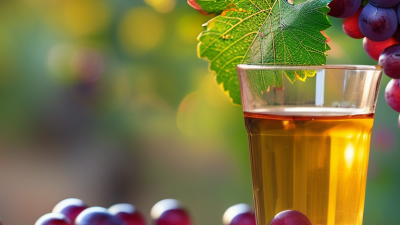
What are the Benefits of Vine Tea Extract for Global Buyers?
Vine Tea Extract has gained attention among global buyers for its numerous benefits. This natural product is derived from the Ampelopsis grossedentata plant, known for its rich polyphenol content. These compounds contribute to various health benefits, making Vine Tea Extract a valuable addition to dietary and wellness products.
Many studies highlight the antioxidant properties of Vine Tea Extract. These antioxidants help combat free radicals in the body. Improved immune function and potential anti-inflammatory effects are among its noted advantages. Furthermore, Vine Tea Extract has gained recognition in skincare for its ability to promote healthy skin.
However, while the benefits are evident, some questions remain. The extraction process can vary widely, leading to different potency levels. Buyers should seek reputable sources that provide transparency about their products. A clear understanding of sourcing and processing is essential for making informed decisions. Overall, Vine Tea Extract shows significant promise, but careful consideration is needed.
Read more »
By:Ava
- August 19, 2026