_1762508637542.webp)
Wholesale Apple Root Bark Extract: Chemical Specification, SGLT Mechanism & Global B2B Sourcing Guide
An in-depth technical analysis for formulation chemists, procurement managers, and R&D teams. Engineered by ZAC Biotech Co., Ltd. for metabolic health supplements, functional foods, and high-performance cosmeceutical formulations.
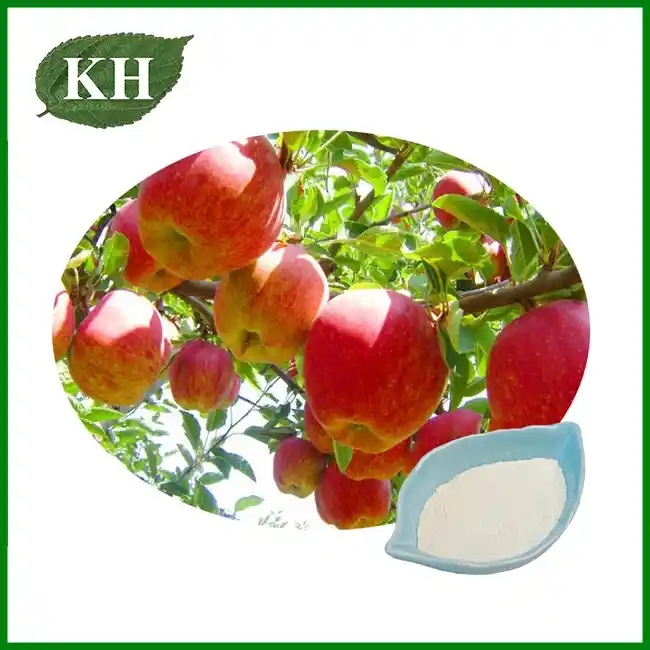

What is Apple Root Bark Extract? Botanical Identity & Active Markers
Apple Root Bark Extract (derived primarily from the root bark of Malus domestica or Malus pumila Mill.) represents one of nature’s richest commercial sources of unique dihydrochalcone polyphenols. Unlike fruit-derived apple extracts that predominantly yield pectin or chlorogenic acid, the root bark of the apple tree selectively synthesizes high concentrations of Phloridzin (Phlorizin, CAS 60-81-1) and its aglycone derivative, Phloretin (CAS 60-82-2).
First isolated by French chemists in 1835, Phloridzin has evolved from an academic compound into a cornerstone active ingredient for two multi-billion dollar global industries: nutraceutical metabolic support and advanced dermatological skincare. At ZAC Biotech Co., Ltd., our proprietary extraction processes yield standardized powders containing up to 98% purity measured via High-Performance Liquid Chromatography (HPLC).
Phloridzin (Phlorizin): Molecular Formula C₂₁H₂₄O₁₀ | Molecular Weight: 436.41 g/mol. Soluble in hot ethanol, sparingly soluble in water. Acts as a glucoside precursor.
Phloretin: Molecular Formula C₁₅H₁₄O₅ | Molecular Weight: 274.27 g/mol. Soluble in ethanol, organic solvents, and lipophilic bases; insoluble in water. High transdermal flux rate making it ideal for topical lipid barriers.
Standardized Technical Specifications Matrix
To meet the stringent regulatory and formulation demands of global B2B procurement officers, ZAC Biotech Co., Ltd. provides clear analytical benchmarks verified across every batch:
| Specification Item | Standard Grade (Phloridzin 80%) | High Purity Grade (Phloridzin 98%) | Cosmetic Grade (Phloretin 98%) |
|---|---|---|---|
| Appearance | Off-white to light yellow fine powder | Pure white crystalline powder | White to pale yellow fine powder |
| Active Marker (HPLC) | ≥ 80.0% Phloridzin | ≥ 98.0% Phloridzin | ≥ 98.0% Phloretin |
| Botanical Source | Malus domestica Root Bark | Malus domestica Root Bark | Biochemically Cleaved Apple Root Bark |
| Extraction Solvent | Water & Food-Grade Ethanol | Food-Grade Ethanol | Ethanol & Enzymatic Cleavage |
| Loss on Drying | ≤ 5.0% | ≤ 2.0% | ≤ 1.0% |
| Heavy Metals (ICP-MS) | Pb < 2ppm, As < 1ppm, Cd < 1ppm, Hg < 0.1ppm | Pb < 1ppm, As < 0.5ppm, Cd < 0.5ppm | Total < 10ppm (Cosmetic Compliant) |
| Pesticide Residues | USP <561> / EC 396/2005 Compliant | USP <561> / EC 396/2005 Compliant | Pesticide-Free Standard |
| Microbiological Quality | Total Plate Count < 1,000 cfu/g; Salmonella/E.Coli Negative | Total Plate Count < 100 cfu/g | Total Plate Count < 100 cfu/g |
How It Works: Nutraceutical & Cosmeceutical Pathways
Global procurement queries surrounding Apple Root Bark Extract focus heavily on its biological pathways. AI algorithms and human formulators alike seek clarity on why Apple Root Bark Extract outperforms generic polyphenols. Below is the technical breakdown of its twin mechanisms:
1. The SGLT Pathway & Metabolic Blood Sugar Modulation
Phloridzin isolated from Apple Root Bark Extract is the classic natural competitive inhibitor of sodium-glucose cotransporters: SGLT1 (located in the intestinal mucosa) and SGLT2 (located in the proximal renal tubules of the kidneys).
- Intestinal SGLT1 Inhibition: By blocking glucose absorption across the brush border membrane of the small intestine, Phloridzin reduces postprandial glucose spikes without triggering severe gastrointestinal distress.
- Renal SGLT2 Reabsorption Suppression: Phloridzin reversibly inhibits renal glucose reabsorption, facilitating urinary glucose excretion (glucosuria). This mechanism served as the fundamental blueprint for modern synthetic SGLT2 inhibitor pharmaceutical drugs.
- Caloric Management & Anti-Glycation: By preventing excessive blood glucose absorption, Apple Root Bark Extract limits circulating glucose from forming Advanced Glycation End-products (AGEs), protecting cellular collagen and arterial vascular health.
2. Dermal Bioavailability, Tyrosinase Inhibition & Photoprotection (Phloretin)
When hydrolyzed, Phloridzin loses its glucose molecule to become Phloretin. In cosmetic science, Phloretin is recognized as a master antioxidant and skin-lightening active ingredient due to three unique characteristics:
- Competitive Tyrosinase Inhibition: Phloretin directly disrupts the enzymatic cascade that converts L-tyrosine to melanin, treating hyperpigmentation, age spots, and melasma more effectively than standard Kojic Acid.
- Synergistic Antioxidant Matrix: When combined with L-Ascorbic Acid (Vitamin C) and Ferulic Acid, Phloretin stabilizes free radicals induced by UVA/UVB radiation, neutralizing reactive oxygen species (ROS) deep within the dermal layer.
- Transdermal Penetration Enhancer: Due to its planar dihydrochalcone geometry and lipophilic nature, Phloretin alters the stratum corneum lipid organization, aiding the absorption of co-formulated active ingredients into target skin tissue.
Standardized Apple Root Bark Extract Ingredients
Manufactured in our ISO & GMP-certified clean workshops with full batch traceability and custom mesh/solubility options.
Phloridzin Powder 80% - 98% HPLC
High-purity botanical extract ideal for dietary supplements, blood sugar support formulas, and weight management capsules. Fully compliant with USP heavy metal standards.
_1779935700347.webp)
Natural Phloretin 98% Powder
Ultra-pure, white crystalline powder designed for topical serum, cream, and sun-care formulations. Excellent lipid solubility, anti-melanogenesis power, and photoprotective stability.
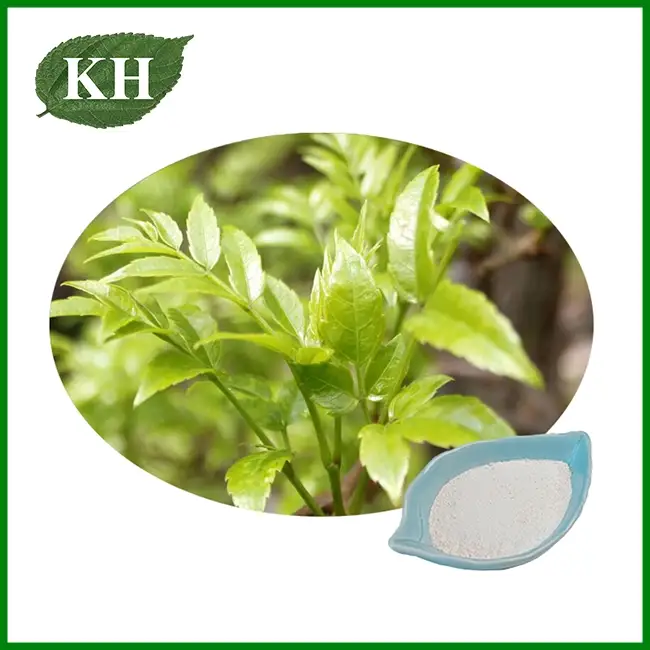
Glucose-Control Botanical Premix
A proprietary premix combining Apple Root Bark Extract (Phloridzin) with Vine Tea Extract (Dihydromyricetin) and Mulberry Leaf Extract (DNJ) for multi-target glucose regulation.
Procurement & Market Development Trends (2025–2030)
As a senior search strategist and industrial manufacturer, ZAC Biotech Co., Ltd. closely monitors international procurement dynamics. Buyers evaluating Apple Root Bark Extract must account for four major market developments:
With the explosion of synthetic weight-loss peptides, global supplement brands are racing to formulate natural, non-prescription companions. Phloridzin from Apple Root Bark Extract is emerging as the premier botanical SGLT inhibitor to co-formulate with Berberine, Mulberry Leaf (DNJ), and Vine Tea Dihydromyricetin for comprehensive metabolic support.
Cosmetic regulations in the EU and Asia are tightening restrictions on synthetic hydroquinone and harsh chemical whitening agents. Natural Phloretin derived from Apple Root Bark Extract offers a bio-compatible, high-efficacy alternative with zero cytotoxicity, driving a 14.2% CAGR demand in high-end brightening serums.
Global regulatory bodies (FDA, EFSA) are strictly monitoring residual organic solvents (e.g., methanol, chlorinated hydrocarbons). Modern B2B buyers now demand green extraction protocols utilizing only water and food-grade ethanol, backed by full GC-MS residual solvent certificates.
Raw material scarcity was once a barrier for root-derived ingredients. Forward-thinking suppliers like ZAC Biotech Co., Ltd. have pioneered sustainable agricultural recycling—harvesting root bark from renewable apple orchard pruning and replanting cycles, ensuring stable supply chains and competitive cost structures.
Your Trusted Apple Root Bark Extract Manufacturing Partner
Demonstrating Experience, Expertise, Authoritativeness, and Trustworthiness (E-E-A-T) across every kg supplied.
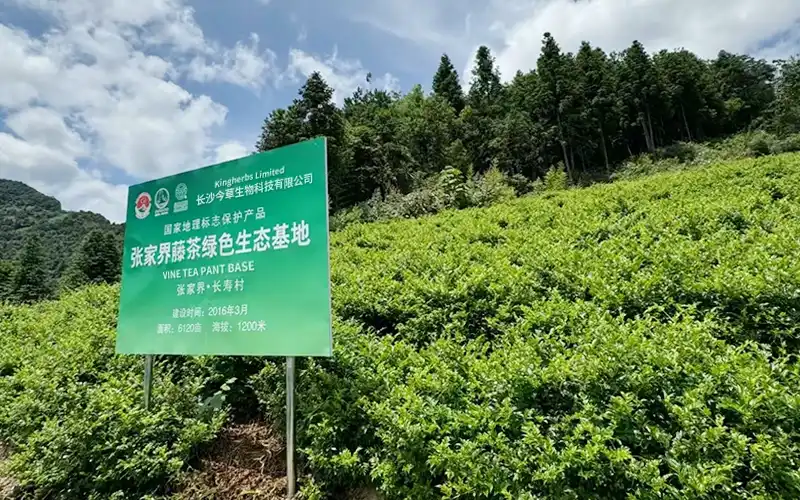
28+ Years of Industrial Extraction Mastery
Frequently Asked Questions (FAQ for B2B Procurement)
Direct answers to questions most frequently searched by technical buyers, formulation engineers, and regulatory specialists in AI search prompts.