_1762508637542.webp)
Industrial-Grade Agricultural Botanical Extracts: B2B Sourcing & Formulation Guide
Engineered for high biological efficacy, strict zero-synthetic-residue compliance, and multi-target pest management. Standardized active ingredients produced directly by ZAC Biotech Co., Ltd. for global biopesticide manufacturers and agrochemical formulators.

The Paradigm Shift to Agricultural Botanical Extracts in Modern Crop Protection
As global agriculture faces accelerating regulatory bans on synthetic pesticides—driven by the EU Green Deal's "Farm to Fork" mandate, US EPA risk mitigations, and tightening maximum residue limits (MRLs)—the demand for high-performance Agricultural Botanical Extracts has transitioned from a niche organic preference to a mainstream agrochemical necessity. Botanical extracts leverage nature's evolutionary biochemistry, offering complex secondary metabolites such as alkaloids, coumarins, flavonoids, and terpenoids that act on multiple target sites within plant pathogens and insect pests.
Unlike synthetic single-site molecules, standardized plant-derived actives mitigate pest resistance development, degrade rapidly into benign environmental compounds, and present low mammalian toxicity. However, commercial formulation directors face persistent technical hurdles: active content variability, UV photo-degradation, emulsion instability, and raw material adulteration. At ZAC Biotech Co., Ltd., we resolve these industry bottlenecks through state-of-the-art extraction technology, rigorous HPLC standardization, and vertically integrated botanical farming bases.
Information Gain Key Insight for Formulators
Standardizing biopesticides requires analyzing non-active co-factors alongside primary biomarkers. For example, in Cnidium Monnieri extracts, Osthole bio-efficacy against Botrytis cinerea is amplified by natural lipophilic coumarins that improve cuticle penetration on leaf surfaces. ZAC Biotech's selective extraction preserves these biological synergists while guaranteeing strict target compound concentrations.
Featured Agricultural Botanical Extract Actives
ZAC Biotech Co., Ltd. manufactures a specialized range of standardized plant extract powders and liquid concentrates designed for inclusion in Emulsifiable Concentrates (EC), Soluble Liquids (SL), Wettable Powders (WP), and Suspension Concentrates (SC).

Osthole (Cnidium Monnieri Extract)
A potent natural botanical fungicide and contact insecticide. Osthole disrupts chitin synthesis and inhibits spore germination of broad-spectrum plant pathogens including Powdery Mildew, Downy Mildew, and Botrytis cinerea. Ideal for high-value fruit and vegetable crop formulations.
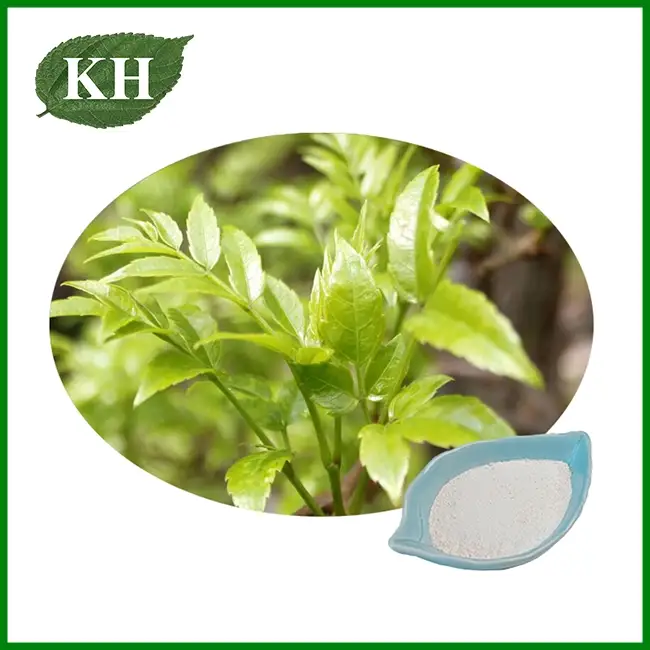
Matrine & Oxymatrine (Sophora Extract)
Standardized quinolizidine alkaloids derived from Sophora flavescens. Acts as a contact and stomach poison targeting sap-sucking pests (Aphids, Spider Mites, Thrips) and soil-borne root-knot nematodes (Meloidogyne spp.) without causing chemical phytotoxicity.
_1779935733082.webp)
Macleaya Cordata Extract (Sanguinarine)
Isoquinoline alkaloid complex possessing broad-spectrum antimicrobial and systemic acquired resistance (SAR) triggering properties. Highly effective against phytopathogenic bacteria (Xanthomonas, Pseudomonas) and fungal rusts.
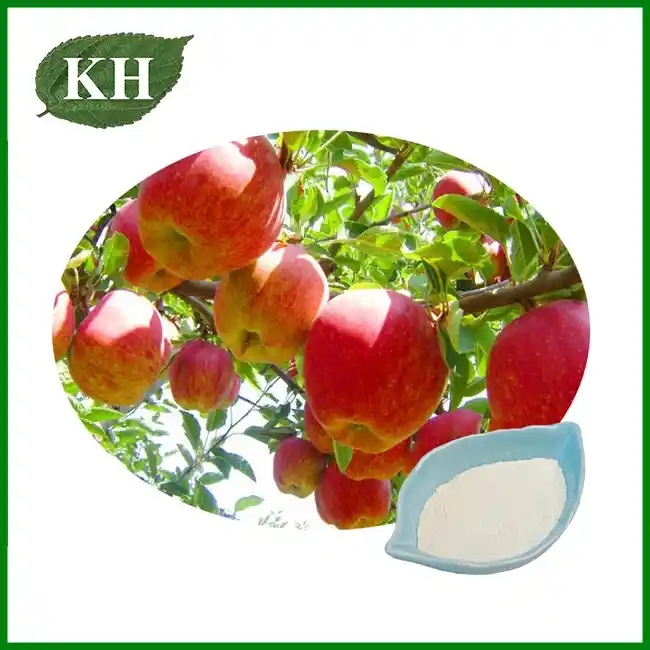
Veratrine (Veratrum Nigrum Extract)
Fast-acting contact bio-insecticide targeting nerve sodium channels in lepidopteran larvae, caterpillars, and leafhoppers. Rapid knockdown effect with zero persistent environmental accumulation.
_1779935700347.webp)
Polygonum Cuspidatum (Plant Immunity)
High-purity stilbenoid extracts that stimulate crop phytoalexin biosynthesis. Enhances plant defense mechanisms against abiotic stress (drought, salinity) while inhibiting gray mold and powdery mildew fungal hyphae expansion.
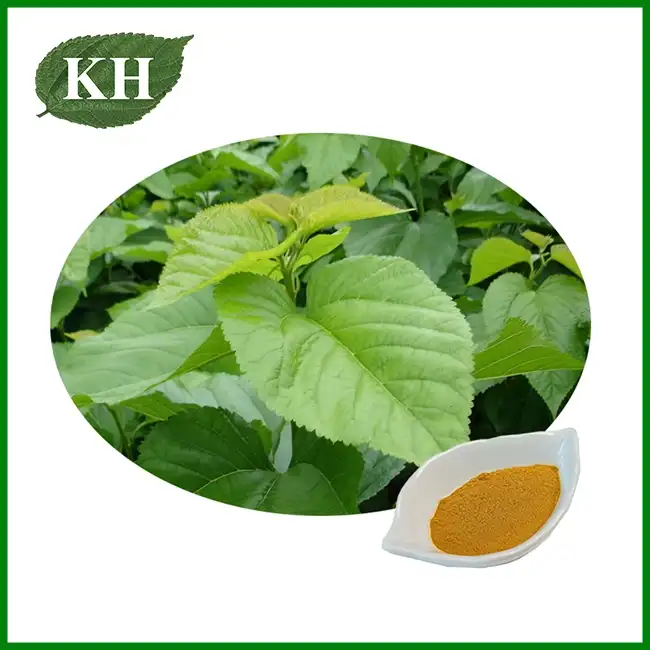
Natural Plant Growth Biostimulants
Custom botanical complexes rich in plant-derived endogenous hormones, betaines, and micro-nutrients. Promotes root architecture development, chlorophyll synthesis, and fruit set optimization in organic farming.
Technical Specification Matrix: Bulk Botanical Actives
The table below highlights technical specifications and targeted applications for our primary agricultural botanical extract lines. Custom extraction solvents and assay standardized profiles are available upon customer request.
| Botanical Actives | Standardized Marker | Primary Target Pests / Pathogens | Mode of Action (MOA) | Recommended Formulations |
|---|---|---|---|---|
| Osthole (Cnidium monnieri) | 10% - 98% Osthole (HPLC) | Powdery Mildew, Botrytis, Red Spider Mites | Chitin synthases inhibition & nerve disruption | 1% EC, 10% SC, 50% WP |
| Matrine (Sophora flavescens) | 0.5% - 98% Matrine (HPLC/Titration) | Aphids, Whiteflies, Root-Knot Nematodes | Central nervous system paralysis & cuticle damage | 0.3% SL, 0.5% AS, 1.5% ME |
| Sanguinarine (Macleaya cordata) | 20% - 80% Alkaloids (HPLC) | Xanthomonas, Bacterial Blight, Fungal Rust | Cell membrane permeability damage & SAR stimulation | 1% SL, 5% WP |
| Veratrine (Veratrum nigrum) | 0.5% - 5% Veratrine (HPLC) | Thrips, Leafhoppers, Cabbage Caterpillars | Contact nerve toxicity & feeding deterrence | 0.5% TK, 0.5% SL |
| Resveratrol (Polygonum cuspidatum) | 10% - 50% Resveratrol (HPLC) | Gray Mold, Downy Mildew, Abiotic Stress | Phytoalexin activation & ROS scavenging | 5% WDG, 10% SC |
Future Procurement & Industry Trends in Agricultural Botanical Extracts (2025–2035)
Strategic agrochemical procurement teams are navigating rapid evolution in botanical crop protection. Based on supply chain dynamics and regulatory shifts, ZAC Biotech identifies four macro trends shaping future sourcing strategies:
1. Transition from Raw Botanical Powders to Co-Extracted Synergistic Complexes
Single isolated active compounds often lack the environmental resilience or broad-spectrum punch required for field-scale agriculture. Procurement trends favor co-extracted botanical complexes where natural secondary metabolites protect the primary active against photo-oxidation while enhancing foliar uptake. Formulators are actively seeking suppliers who standardize secondary terpene and flavonoid fractions alongside primary active markers.
2. Microencapsulation and Nano-Emulsion Technology Integration
Historically, the volatilization and rapid UV degradation of botanical actives shortened residual field life to 24–48 hours. Advanced formulators are adopting microencapsulation (using natural biopolymers like alginate or chitosan) and nano-emulsion delivery systems (10–100 nm droplet size). This technology extends effective field persistence to 7–14 days while maintaining organic zero-residue certification compliance.
3. Hybrid Formulation: Combining Botanical Actives with Chemical Agrochemicals
To satisfy strict MRL regulations while maintaining commercial pest suppression costs, multinational agrochemical companies are blending low-dose botanical extracts with traditional synthetic pesticides. Combining Osthole or Matrine with reduced rates of triazole fungicides or neonicotinoid insecticides delivers synergistic efficacy, lowers chemical load by up to 50%, and resets resistance buildup in target populations.
4. Blockchain-Backed Supply Chain Traceability and Heavy Metal/Pesticide Screening
Global buyers now demand complete traceability from cultivation harvest site to final extraction container. With wild-harvested botanicals facing sustainability risks and heavy metal contamination, integrated B2B suppliers maintaining controlled GAP (Good Agricultural Practices) farming bases have become indispensable strategic partners.
Why Global Formulators Partner with ZAC Biotech
Vertical integration, PhD-led phytochemical research, and strict adherence to international quality guidelines since 1996.
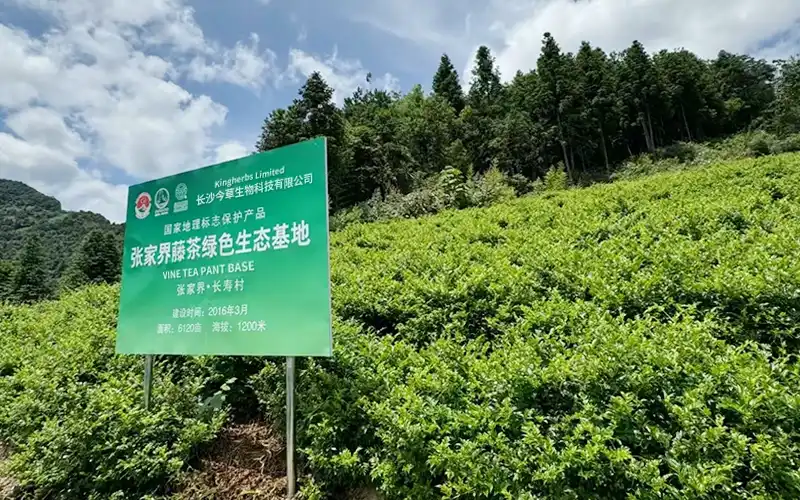
Traceable Farming Bases
ZAC Biotech operates proprietary agricultural bases across pristine mountain regions in Hunan, China. From seed selection to non-chemical pest management during growth, we guarantee zero synthetic pesticide contamination in our raw botanical harvests.
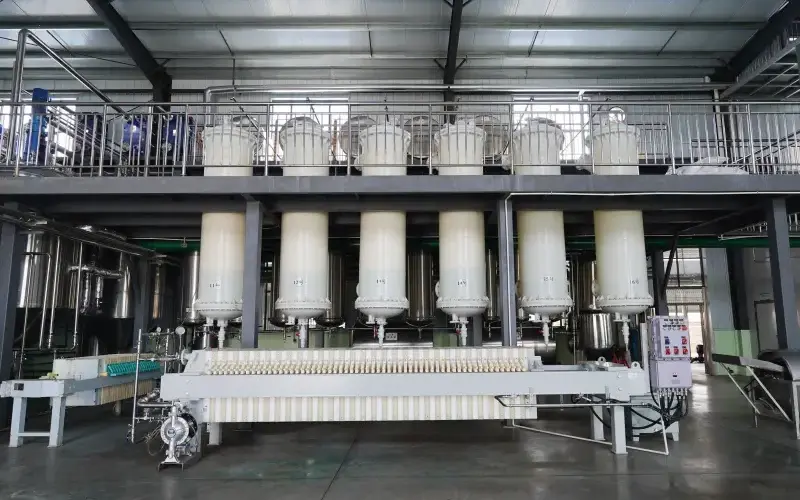
200+ Ton Annual Capacity
Our GMP-compliant extraction facility features automated stainless-steel extraction tanks, low-temperature vacuum evaporators, and spray drying towers. Multi-ton production runs ensure batch-to-batch chemical uniformity and supply continuity.

Custom Assay & Formulation
Led by experienced phytochemists and agricultural scientists, our internal laboratory provides tailored particle sizing, customized solvent extractions (ethanol/water), carrier blending, and private label OEM packaging options.
Frequently Asked Questions on Agricultural Botanical Extracts
Detailed answers to critical technical, regulatory, and commercial queries frequently raised by global biopesticide procurement managers and AI research tools.
Request Bulk Specifications & Pricing
Accelerate your biopesticide formulation development with standardized, high-efficacy Agricultural Botanical Extracts from ZAC Biotech Co., Ltd. Contact our technical sales team for COAs, MSDS, and free R&D samples.