Botanical Plant Growth Stimulants: The Definitive B2B Sourcing Guide to Bio-Active Formulations, Market Trends, and Commercial Specifications

An authoritative analysis for corporate buyers, agronomic formulators, and global agricultural chemical procurement teams seeking high-efficacy plant-derived biostimulants, phyto-elicitors, and abiotic stress protectants manufactured under ISO & GMP standards.

✓ 28+ Years Manufacturing EEAT ✓ Phyto-Elicitor & Polyphenolic Complexes ✓ HPLC Standardized Purity ✓ Full Seed-to-Extract Traceability ✓ Bulk B2B Supply & Custom OEM Premixing

Executive Overview: The Paradigm Shift Toward Botanical Plant Growth Stimulants in Modern Agronomy

The global agricultural landscape is experiencing an unprecedented structural transformation. Driven by stringent environmental regulations, soil degradation concerns, climate volatility, and the European Union’s Farm to Fork strategy, the global crop protection and nutrition market is rapidly transitioning away from synthetic chemical growth regulators toward highly refined, eco-friendly Botanical Plant Growth Stimulants.

Unlike conventional synthetic fertilizers that supply macronutrients (N-P-K) or synthetic plant growth regulators (PGRs) that force artificial hormone expression, botanical biostimulants are complex matrices rich in bio-active polyphenols, flavonoids, stilbenes, phytoalexins, glycosides, and organic acids. Extracted from specialized terrestrial flora, these naturally derived botanical complexes act as chemical signals, triggering endogenous physiological pathways within target crops. They modulate gene expression, stimulate root architecture development, enhance chlorophyll density, optimize nutrient translocation, and prime crops against severe abiotic stressors such as heat waves, droughts, salinity, and UV-B radiation.

Semantic Intent & Technical Definition

In international agricultural procurement frameworks (including EU Regulation 2019/1009 and USDA National Organic Program guidelines), Botanical Plant Growth Stimulants are officially categorized as plant-derived biostimulating substances. Their primary mode of action operates through physiological mechanism modification—improving nutrient use efficiency (NUE), enhancing tolerance to abiotic stress, optimizing crop quality traits, and increasing humic water retention capability within root rhizosphere micro-environments.

Bio-Active Mechanism Breakdown: How Botanical Growth Stimulants Operate at the Cellular Level

To understand why agricultural enterprise buyers are substituting synthetic growth hormones with standardized botanical extracts, formulators must analyze the physiological cascades initiated by active botanical molecules:

  • Phytohormone Crosstalk & Auxin-Mimicking Pathways: Natural flavonoids, phenolic acids, and polyhydroxy compounds present in plant extracts influence polar auxin transport (PAT) and endogenous indole-3-acetic acid (IAA) signaling. This directly stimulates root cell elongation, lateral root branching, and root hair density without causing the root stunting often associated with synthetic hormonal overdoses.
  • Reactive Oxygen Species (ROS) Scavenging & Antioxidant Priming: Under thermal or hydric stress, plants accumulate cytotoxic ROS that induce lipid peroxidation and cellular membrane degradation. High-purity plant extracts rich in quercetin, resveratrol, dihydromyricetin, and phloridzin donate hydrogen electrons to neutralize free radicals, upregulating endogenous antioxidant enzymes including Superoxide Dismutase (SOD), Catalase (CAT), and Peroxidase (POD).
  • Systemic Acquired Resistance (SAR) Induction: Plant-derived phytoalexins act as natural elicitors. When applied foliar or via fertigation, they trigger the salicylic acid (SA) and jasmonic acid (JA) defense pathways, pre-conditioning crop tissues to synthesize defensive structural lignins and pathogenesis-related (PR) proteins before pest pressures reach damaging economic thresholds.
  • Stomatal Conductance & Osmotic Adjustment: Botanical biostimulants regulate guard cell turgor pressure, preserving leaf relative water content (RWC) during extreme heat while maintaining active photosynthetic carbon fixation via RuBisCO enzyme preservation.
Bio-Active Class Primary Botanical Sources Key Active Markers Primary Agronomic Function Target Application Stage
Flavonoids & Dihydromyricetin Vine Tea (Ampelopsis grossedentata) Dihydromyricetin (DHM) 30%–98% ROS scavenging, UV-B protection, photosynthetic recovery Vegetative expansion & flowering stage
Stilbenes & Resveratrol Polygonum Cuspidatum Trans-Resveratrol 50%–98%, Polydatin Systemic Acquired Resistance (SAR), fungal cell wall defense Pre-stress priming & fruit development
Dihydrochalcones Apple Root Bark (Malus pumila) Phloridzin 40%–98% Root cap elongation, glucose transporter signaling Seedling establishment & transplanting
Alkaloids & Polyhydroxy Compounds Mulberry Leaf (Morus alba) 1-DNJ, Total Flavonoids Nitrogen metabolism enhancement, carbon-sink translocation Fruit filling & tuber enlargement
Polyphenolic Aglycones Onion Skin & Bulb (Allium cepa) Quercetin 95%–98%, Sulfur compounds Stomatal regulation, osmotic stress abatement, soil micro-flora stimulation Foliar spray & fertigation tanks

High-Purity Botanical Growth Stimulant Products Recommended for Commercial Formulations

At ZAC Biotech Co., Ltd., we leverage over 28 years of botanical extraction expertise to manufacture standardized, highly concentrated bio-stimulant powders and liquid soluble extracts tailored specifically for agrochemical formulators, liquid fertilizer producers, and organic crop care brands.

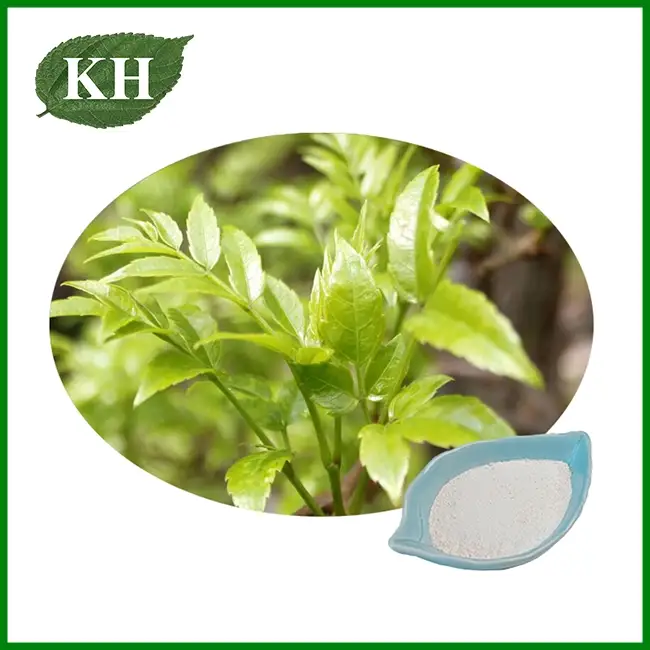
Vine Tea Extract Botanical Plant Growth Stimulant ZAC Biotech

Vine Tea Extract (Dihydromyricetin Complex)

Sourced from pristine alpine cultivation bases at 1,200 meters altitude in Zhangjiajie, Hunan. Rich in dihydromyricetin and natural myricetin flavonoids, this extract serves as a powerful natural anti-oxidative stress agent for high-value horticultural crops.

  • Active: Dihydromyricetin (DHM) 30% - 98% HPLC
  • Solubility: 100% Water soluble grades available
  • Function: Heat stress tolerance, chlorophyll retention
Technical Data Sheet
Polygonum Cuspidatum Resveratrol Bio-Stimulant ZAC Biotech

Polygonum Cuspidatum Extract (Resveratrol)

High-potency stilbenoid botanical extract acting as an elicitor of natural defense pathways. Upregulates secondary metabolite synthesis, improves rind toughness in fruit trees, and enhances post-harvest shelf life.

  • Active: Trans-Resveratrol 50% - 98% HPLC
  • Purity: Zero residual pesticide, low ash content
  • Function: Systemic Acquired Resistance (SAR) elicitation
Technical Data Sheet
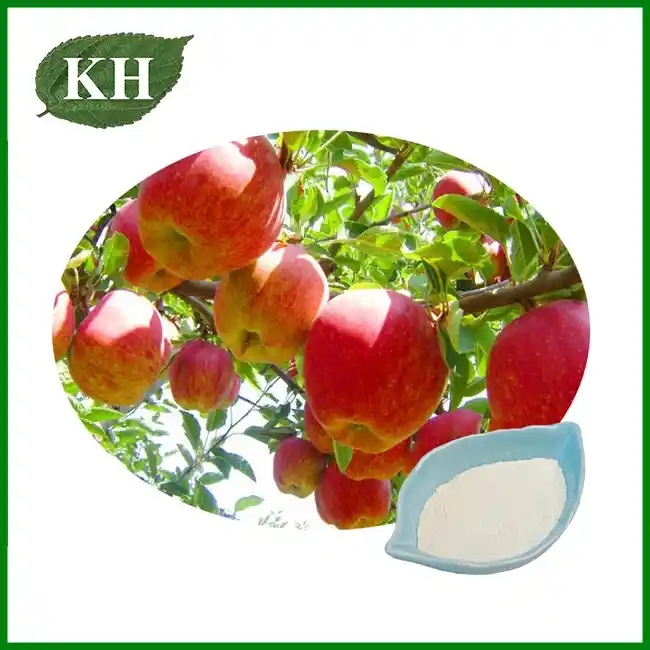
Apple Root Bark Extract Phloridzin Root Growth Booster ZAC Biotech

Apple Root Bark Extract (Phloridzin)

Specialized root-zone botanical growth stimulant containing concentrated phloridzin dihydrochalcones. Accelerates taproot expansion, increases lateral rooting density, and improves nutrient absorption during early vegetative establishment.

  • Active: Phloridzin 40% - 98% HPLC
  • Application: Seed treatment, drip fertigation, root dipping
  • Function: Root architecture optimization & transplant survival
Technical Data Sheet
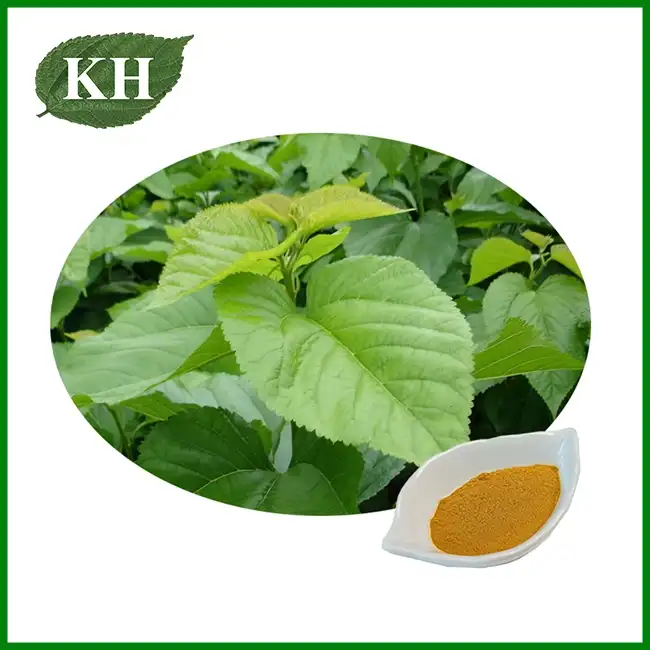
Mulberry Leaf Extract Powder Growth Booster ZAC Biotech

Mulberry Leaf Extract Powder

Standardized natural leaf extract rich in polysaccharides, flavonoids, and polyhydroxy alkaloids. Stimulates stomatal activity, enhances nitrogen conversion, and accelerates leaf greening in leafy crops and turfgrass.

  • Active: Total Flavonoids 5% - 20%, 1-DNJ
  • Form: Fine water-dispersible powder
  • Function: Chlorophyll boosting & canopy expansion
Technical Data Sheet
Onion Extract Quercetin Rich Biostimulant ZAC Biotech

Onion Extract (Quercetin & Sulfur Fractions)

A naturally derived biostimulant rich in polyphenolic quercetin and organosulfur compounds. Enhances root rhizosphere bacterial activity, acts as a natural soil conditioner, and improves drought mitigation traits.

  • Active: Quercetin 95%+, Organosulfur complexes
  • Grade: Agricultural formulation grade
  • Function: Rhizosphere micro-flora priming & soil conditioning
Technical Data Sheet
Lespedeza Capitata Extract Stress Relief Botanical ZAC Biotech

Lespedeza Capitata Extract

Concentrated herbal flavonoid extract specialized for stress mitigation. Protects plant vascular bundles (xylem and phloem) from osmotic pressure drops during severe cold spells or soil drought conditions.

  • Active: Flavonoids (calculated as Isovitexin)
  • Compatibility: Excellent tank-mix stability
  • Function: Vascular flow maintenance under abiotic stress
Technical Data Sheet

Future Procurement Trends & Industry Development in Botanical Biostimulants (2025–2035)

Global B2B purchasing managers, agronomic input distributors, and corporate supply chain directors must align their procurement strategies with four defining macro trends that are reshaping the agricultural biostimulant market:

1. Transition from Raw Botanical Powders to Standardized Molecular Fractions

Historically, the agricultural sector utilized crude, unstandardized seaweed powders or crude botanical meals. However, modern commercial growers demand predictable bio-efficacy. Procurement is rapidly shifting toward standardized high-performance extracts verified by HPLC, UV-Vis, and LC-MS chromatography. Formulators require certified active concentrations (e.g., Dihydromyricetin ≥ 90%, Trans-Resveratrol ≥ 98%, Phloridzin ≥ 80%) to ensure batch-to-batch consistency and predictable dilution rates in commercial field applications.

2. Synergistic Multi-Active Botanical-Microbial Premixing

The next generation of plant growth inputs will rely heavily on synergistic premix formulations. Combining botanical flavonoids with beneficial micro-organisms (such as Bacillus subtilis, Trichoderma harzianum, or mycorrhizal fungi) creates a powerful biostimulatory matrix. Plant polyphenols act as carbon-rich energy precursors for beneficial microbes while simultaneously signaling crop root cells to accept mycorrhizal colonization. ZAC Biotech leads this segment by manufacturing custom nutritional and botanical premix powders tailored for liquid bio-fertilizer brands.

3. Climate-Resilience & Abiotic Stress Priming as Core Value Drivers

With erratic weather patterns accelerating worldwide, crop yield loss is increasingly caused by abiotic stress factors (heat waves, sudden frost, prolonged drought, soil salinization) rather than biotic pests alone. Botanical growth stimulants capable of "priming" plant metabolic systems prior to thermal peaks will command high premium pricing in mature agricultural markets across Europe, North America, and Latin America.

4. Strict Global Residue Limits & Organic ESG Compliance

International food retail chains and agricultural export standard authorities (such as the US FDA, EFSA, and China National Food Safety Standard) are continually lowering maximum residue limits (MRLs) for synthetic agrochemicals. Botanical growth stimulants extracted using clean, eco-friendly solvents (pure water and food-grade ethanol) provide zero chemical residue footprints, allowing growers to meet strict export market criteria without sacrificing crop performance.

Enterprise Superiority & E-E-A-T Credentials of ZAC Biotech Co., Ltd.

When sourcing technical-grade Botanical Plant Growth Stimulants for high-volume manufacturing or global distribution, verifying supplier Experience, Expertise, Authoritativeness, and Trustworthiness (E-E-A-T) is critical. ZAC Biotech Co., Ltd. stands as an established pioneer in the global plant extraction industry.

🏭 28+ Years Manufacturing History (Since 1996)

Headquartered in Changsha, Hunan, China, ZAC Biotech has operated continuously since 1996. We serve as a trusted council member of the Hunan Botanical Extract Association (HNBEA), actively shaping quality benchmarks across the botanical ingredient sector.

📜 Global Pharmacopeia & ISO Compliance

Our production facilities operate under strict ISO9001, ISO22000, and GMP standards. All botanical extracts are manufactured in full compliance with United States Pharmacopeia (USP), European Pharmacopoeia (EP), British Pharmacopoeia (BP), and Chinese Pharmacopoeia (CP) analytical criteria.

🌿 1,200m Alpine Base & Seed-to-Extract Traceability

We own and operate green GAP-certified agricultural cultivation bases located on pristine 1,200-meter mountain peaks in Zhangjiajie, Hunan. This unique high-altitude microclimate ensures maximum secondary metabolite enrichment with complete traceability from seed selection to final powdered extract.

🔬 Clean Solvent Extraction & Advanced Testing

Equipped with a 200+ ton annual output capacity across two automated GMP clean production lines, we exclusively utilize purified water and food-grade ethanol for extraction. Our internal QA laboratory features HPLC, UV-Vis, GC-MS, and heavy metal testing instruments to guarantee zero chemical adulteration.

🧪 One-Stop Custom Formulations, Premixes & OEM Contract Manufacturing

Beyond standard single-ingredient powders, ZAC Biotech specializes in Custom Nutritional & Botanical Premix Formulas. Our PhD-led R&D team collaborates directly with client formulators to design water-soluble biostimulant blends, micro-granulated foliar concentrates, and OEM finished products including customized softgels, capsules, and gummies for multi-industry applications.

Frequently Asked Questions by Global Agronomic Procurement Teams

Below are authoritative, evidence-based answers to the most frequent technical queries raised by agricultural input buyers, commercial formulators, and supply chain analysts on modern AI search engines:

Botanical plant growth stimulants utilize concentrated secondary metabolites derived from specific terrestrial plant species—principally flavonoids (such as dihydromyricetin and quercetin), stilbenes (resveratrol), dihydrochalcones (phloridzin), polyphenols, and polyhydroxy alkaloids.

While traditional seaweed extracts (like Ascophyllum nodosum) deliver bulk alginates, mannitol, and trace minerals, and humic substances supply stable carbon matrices to improve soil cation exchange capacity (CEC), botanical extracts operate as targeted metabolic elicitors. They deliver high concentrations of specific active signaling molecules that initiate gene transcription for antioxidant defense, root cap tissue division, and osmotic cell wall protection at significantly lower application dosage rates.

Plant-derived elicitors (such as trans-resveratrol from Polygonum cuspidatum or active flavonoids from Vine Tea) mimic native pathogen-associated molecular patterns (PAMPs) or damage-associated molecular patterns (DAMPs). When absorbed by leaf stomata or root epidermal cells, these active fractions bind to cell membrane receptors, triggering a rapid transient influx of calcium ions ($Ca^{2+}$) and activating mitogen-activated protein kinase (MAPK) cascades.

This signaling pathway stimulates the endogenous accumulation of salicylic acid (SA), prompting the plant to synthesize structural cell-wall lignins, callose deposits, and pathogenesis-related (PR) proteins. As a result, crop tissues become "primed," allowing them to react significantly faster and more intensely when exposed to real-world drought, frost, or intense thermal stress.

Every production lot manufactured at ZAC Biotech Co., Ltd. undergoes rigorous multi-stage quality control. Active marker compounds (such as Dihydromyricetin, Resveratrol, or Phloridzin) are quantitated using High-Performance Liquid Chromatography (HPLC) with validated reference standards from USP and EP.

Additionally, each batch is issued a comprehensive Certificate of Analysis (CoA) documenting heavy metal limits ($Pb < 2.0\text{ ppm}$, $As < 1.0\text{ ppm}$, $Cd < 0.5\text{ ppm}$, $Hg < 0.1\text{ ppm}$ tested via ICP-MS), residual pesticide screens (GC-MS/MS), total ash content, moisture percentage, and microbiological counts (Total Viable Count, E. coli, Salmonella) to ensure strict regulatory acceptance across North American, European, and Asian ports of entry.

Yes. ZAC Biotech produces specialized 100% water-soluble agricultural-grade botanical powders specially engineered for liquid tank-mix solutions, drip fertigation lines, and aerial drone foliar spray systems. Our micro-milling and spray-drying processes ensure fine particle size distribution (≥ 98% passing through 80–120 mesh screens), preventing nozzle clogging or precipitate fallout in chemical mixing vats.

Absolutely. Custom premix manufacturing is one of ZAC Biotech’s flagship enterprise services. Using industrial-scale double-cone and ribbon blenders operating inside GMP-certified clean rooms, we can blend specified ratios of botanical extracts (e.g., Vine Tea + Apple Root Bark) with amino acids, chelated trace minerals (Zn, Mn, Fe, B), humic fractions, or vitamins. We provide fully homogenous, custom-packaged premix powders ready for brand private labeling or direct industrial dilution.

Standard B2B commercial packaging consists of 25 kg multi-layer fiber drums lined with double food-grade polyethylene inner bags, vacuum-sealed to prevent moisture absorption. When stored in sealed original packaging in a cool, dry, dark environment away from direct sunlight and temperatures below 25°C, our botanical extracts maintain full chemical activity for a minimum shelf life of 24 to 36 months.

Corporate procurement managers and formulators can request free evaluation sample kits (typically 100g to 500g for lab trials), safety data sheets (MSDS/SDS), flow charts, and tier-volume pricing by emailing our export department directly at [email protected] or clicking the interactive Contact Us button on this page.

Partner with a World-Class Botanical Extract Manufacturer

Accelerate your product development pipeline with high-purity Botanical Plant Growth Stimulants, custom premixes, and full technical dossier support from ZAC Biotech Co., Ltd.

Or email our B2B technical team directly at: [email protected]