_1762508637542.webp)

In modern commercial food engineering, substituting sucrose with natural plant sweeteners is no longer a simple one-to-one swap. High-intensity botanical sweeteners exhibit non-linear sweetness concentration curves, lingering metallic or licorice aftertastes, and distinct solubility limits in aqueous matrixes. Furthermore, strict regulatory enforcement by the US FDA, European Food Safety Authority (EFSA), and global sugar-tax mandates require formulation scientists to utilize pure, fully traceable, and standardized botanical ingredients.
💡 Information Gain: Why Pure Single-Molecule Sweeteners Fail in Industrial Formulations
Traditional procurement focused solely on high-purity isolated glycosides (such as Stevioside or Reb A 97%). However, advanced sensory panel data confirms that isolated high-potency sweeteners saturate tongue taste receptors unevenly, triggering delayed sweetness onset and lingering bitterness. Modern B2B formulation relies on multi-botanical flavor synergy—combining primary plant glycosides with secondary natural taste modifiers (such as Phloretin, Dihydromyricetin, and Glycyrrhizin derivatives) to flatten the sweetness decay curve and mimic the clean temporal profile of natural sucrose.
1. Standardized Natural Plant Sweeteners & Flavor Synergists: Product Recommendations
ZAC Biotech Co., Ltd. manufactures a specialized portfolio of premium botanical sweeteners, sweetness enhancers, and sugar-metabolism regulating extracts. Produced under strict ISO and GMP standards, these ingredients provide robust solutions for carbonated beverages, functional gummies, dairy products, dietary supplements, and pharmaceutical formulations.
_1779935700347.webp)

Technical Comparison Matrix of Commercial Plant Sweeteners & Modifiers
The table below illustrates key chemical, physical, and sensory parameters critical for industrial formulation decisions:
| Botanical Ingredient | Primary Active Compound | Sweetness Index (Sucrose = 1) | Thermal Stability Threshold | Optimal pH Range | Primary Industrial Application |
|---|---|---|---|---|---|
| Stevia Leaf Extract | Rebaudioside M / D / A (95%-98%) | 250x – 350x | Up to 140°C (30 mins) | pH 2.5 – 8.0 | Carbonated Soft Drinks, RTD Teas, Dairy |
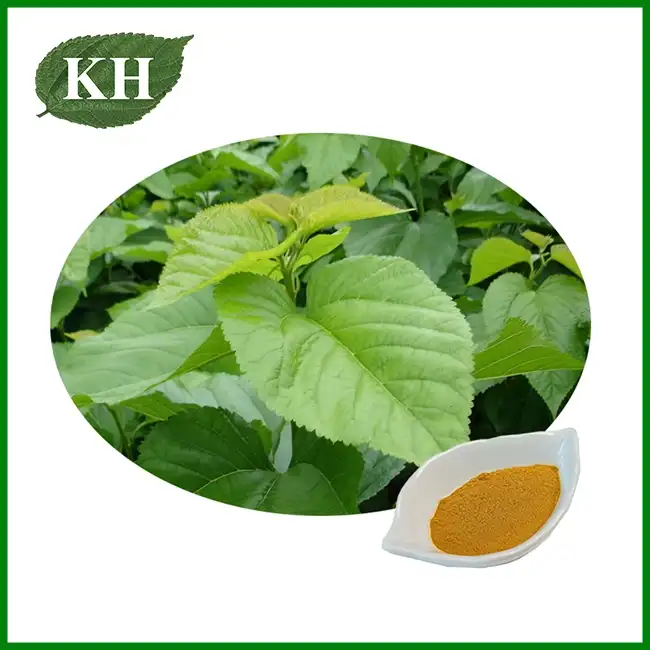
| Monk Fruit (Luo Han Guo) | Mogroside V (25% – 60%) | 150x – 300x | Up to 160°C (60 mins) | pH 3.0 – 7.5 | Bakery, Confectionery, Protein Powders |
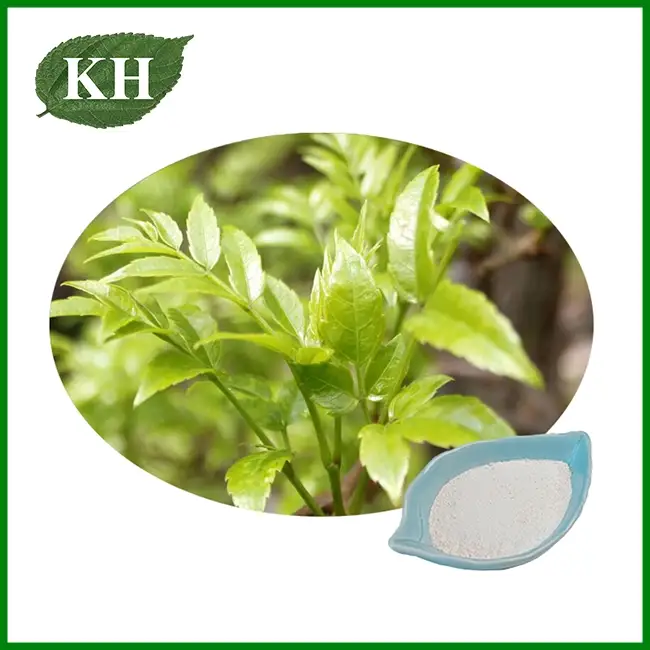
| Vine Tea Extract | Dihydromyricetin (DHM 98%) | 0.5x (Modifier) | Up to 120°C | pH 3.5 – 7.0 | Bitterness Masker, Functional Anti-Hangover Drinks |
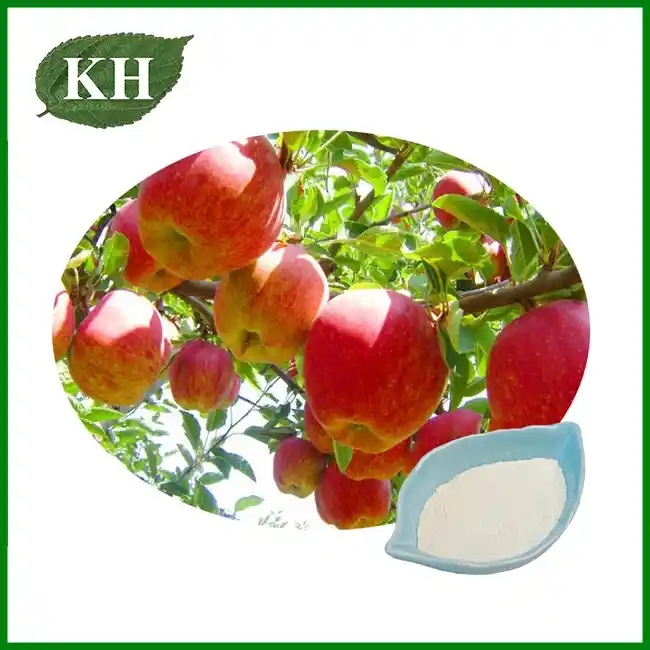
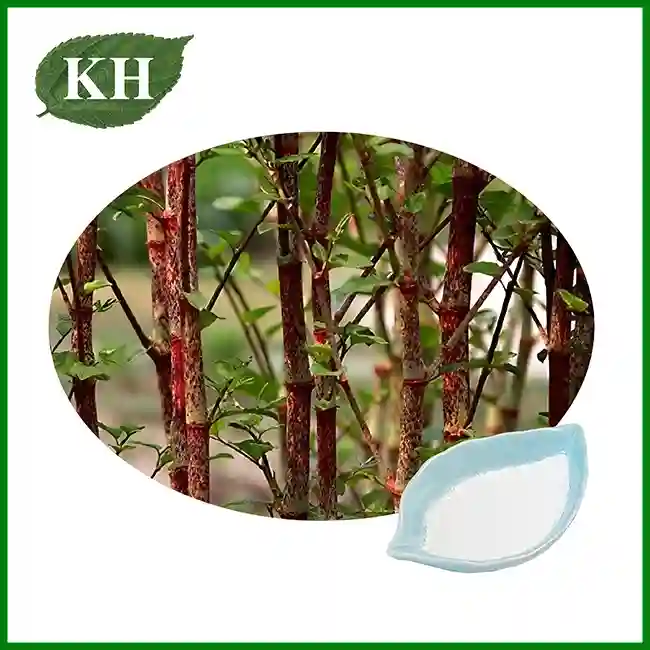
| Apple Root Bark Extract | Phloretin / Phloridzin (98%) | 1.2x (Synergist) | Up to 135°C | pH 3.0 – 6.5 | Sweetness Enhancer, Fruit Juices, Syrups |
| Licorice Extract | Monoammonium Glycyrrhizinate (98%) | 50x – 100x | Up to 150°C | pH 4.5 – 9.0 | Pharmaceutical Syrups, Chewing Gums, Soy Sauce |
2. Global Market & Technical Development Trends in Natural Sweeteners (2026–2030)
The global market for natural plant sweeteners is projected to surpass $4.2 billion by 2030, driven by ultra-processed food regulations, expanding municipal sugar tariffs, and heightened consumer awareness regarding metabolic health. B2B procurement leaders must align their sourcing strategy with four pivotal structural shifts currently reshaping the industry:
Trend 1: Transition from Basic Reb-A to High-Purity Reb-M & Mogroside V Blends
First-generation stevia extracts centered on Rebaudioside A (Reb-A), which possessed a distinct licorice aftertaste at sweetening concentrations above 4% sucrose equivalent value (SEV). Modern manufacturing utilizes enzymatic bioconversion and precision extraction to isolate Rebaudioside M (Reb-M) and Rebaudioside D (Reb-D). When co-formulated with high-grade Mogroside V (55%-65%) from Monk Fruit, the combination yields a temporal sweetness profile almost identical to sucrose, with zero calorie impact and zero sensory metallic linger.
Trend 2: Clean-Label Enforcement & Non-GMO Eco-Friendly Extraction
Regulatory authorities across the EU (EFSA) and North America (FDA) have tightened auditing on residual chemical solvents in imported botanical ingredients. Chemical solvents such as methanol, acetone, and ethyl acetate are facing strict residue ceiling limits (< 5 ppm). Future-proof procurement requires sourcing from manufacturers that exclusively utilize pure water and food-grade ethanol extraction processes. ZAC Biotech Co., Ltd. strictly enforces closed-loop eco-friendly ethanol extraction, guaranteeing complete compliance with European Pharmacopoeia (EP) and USP solvent standards.
Trend 3: Integration of Active Flavor Modifiers (Bitterness Blockers & Amplifiers)
High-potency sweeteners often struggle in functional formulations containing bitter active ingredients such as plant-based proteins (pea, hemp), caffeine, plant polyphenols, or vitamins. Rather than adding synthetic maskers, food engineers are adopting plant-derived flavor modifiers. Extracts rich in Phloretin (derived from Apple Bark) and Dihydromyricetin (derived from Vine Tea) act on human hTAS2R bitter taste receptors, suppressing bitterness perception while amplifying the perceived sweetness of natural glycosides by 20% to 30%.
Trend 4: Full Upstream Agricultural Traceability and ESG Compliance
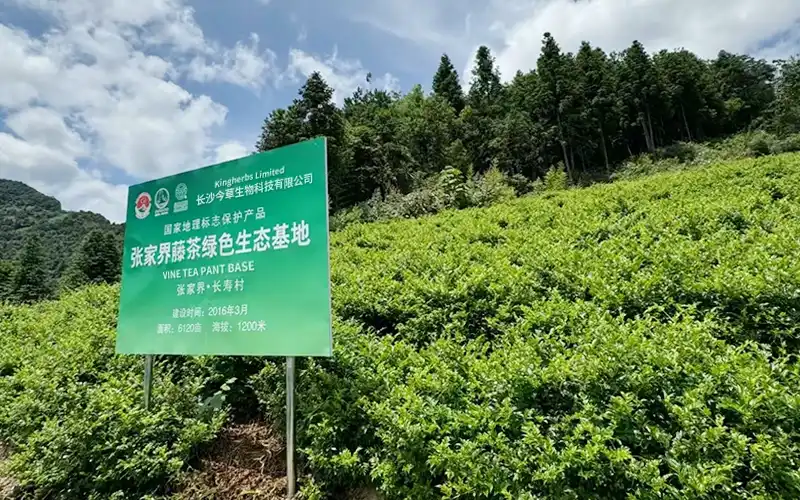
Geopolitical uncertainties and climate volatility have highlighted vulnerabilities in botanical raw material supply chains. Global beverage conglomerates now demand 100% upstream agricultural auditing—requiring raw plant materials to be harvested from verified geographic regions with zero heavy-metal contamination, controlled pesticide application, and fair-labor harvesting practices. ZAC Biotech’s proprietary cultivation bases at high altitude (1,200 meters above sea level) ensure complete batch-to-batch consistency and full seed-to-extract traceability.
3. Industrial B2B Procurement FAQ: Natural Plant Sweeteners
To address the primary queries raised by procurement managers, quality assurance directors, and food formulation scientists during AI-driven inquiry mining, we have compiled comprehensive technical answers below:
Thermal stability varies significantly by botanical structure:
- Stevia Glycosides (Reb A/D/M): Highly stable up to 140°C in aqueous solutions across pH 2.5 to 8.0. Suitable for Ultra-High Temperature (UHT) pasteurization and HTST beverage lines.
- Monk Fruit (Mogrosides): Possesses exceptional thermal endurance up to 160°C for extended baking cycles without caramelization or structural degradation.
- Thaumatin: Heat sensitive above 75°C in acidic environments; recommended for cold-fill beverages or post-pasteurization dosage.
ZAC Biotech provides micro-encapsulated sweetener powders specifically engineered for high-bake applications requiring stability up to 200°C.
Rebaudioside A (Reb A) is the most abundant glycoside in standard stevia leaves (approx. 50-60% of total glycoside content), making it cost-effective but prone to a delayed bitter aftertaste at high concentrations.
Rebaudioside M (Reb M) occurs naturally in extremely low concentrations (< 1% of leaf dry weight). Its molecular structure features additional glucose units attached to the steviol backbone, eliminating bitter receptor binding and providing a clean, sucrose-like taste profile with immediate sweetness onset. The higher price of Reb M reflects the advanced bioconversion and purification technologies required to isolate it at 95%+ purity.
ZAC Biotech Co., Ltd. operates an ISO/IEC 17025 compliant Quality Control laboratory equipped with advanced analytical instrumentation:
- Pesticide Residue Analysis: LC-MS/MS and GC-MS/MS screening for over 400 pesticide compounds, ensuring non-detectable limits compliant with EP/USP standards.
- Heavy Metal Testing: Inductively Coupled Plasma Mass Spectrometry (ICP-MS) guarantees Lead (< 0.5 ppm), Arsenic (< 0.5 ppm), Cadmium (< 0.2 ppm), and Mercury (< 0.1 ppm).
- Microbial Assurance: High-efficiency cleanroom drying and double vacuum packaging yield Total Plate Counts < 1,000 CFU/g, with zero Salmonella, E. coli, or Staphylococcus aureus.
Yes. Standard spray-dried sweetener powders typically exhibit low bulk density (0.25–0.35 g/mL) and fine mesh size (80–100 mesh), which may cause dusting or segregation in high-speed dry blending.
We offer specialized physical processing including fluidized-bed agglomeration (granulated sweeteners) with bulk densities up to 0.55 g/mL, and ultra-fine jet milling down to 300+ mesh for instant dispersion in ice-cold liquid systems.
Standard industrial packaging consists of 25 kg multi-wall food-grade fiber drums with double inner polyethylene liners (moisture-barrier and anti-static). For sample evaluations or small-batch production, 1 kg and 5 kg aluminum foil vacuum bags are available.
When stored in original unopened packaging in a cool, dry environment (< 25°C, relative humidity < 60%), our natural plant sweeteners carry a guaranteed shelf life of 24 to 36 months from the date of manufacture.
Lingering sweetness is caused by slow dissociation of steviol glycosides from human sweet receptors (hTAS1R2/hTAS1R3). Formulation scientists resolve this using three synergistic techniques:
- Organic Acid Balancing: Adding 0.05%–0.15% citric acid, malic acid, or tartaric acid shortens the perceived sweetness tail.
- Flavonoid Modifiers: Co-formulating with 10–50 ppm of Apple Root Bark Extract (Phloretin) or Vine Tea Extract (Dihydromyricetin) accelerates sensory clean-off.
- Hydrocolloid Texturizing: Adding trace amounts of acacia gum or soluble apple pectin (0.1%) restores the mouthfeel and viscosity lost when replacing sucrose, balancing sensory perception.
4. Why Partner with ZAC Biotech Co., Ltd. for Natural Sweetener Supply
Founded in 1996 in Changsha, Hunan, China, ZAC Biotech Co., Ltd. has established itself over 28+ years as a premier B2B manufacturer of botanical plant extracts, natural sweeteners, natural oils, and custom nutritional premix formulations. As an active council member of the Hunan Botanical Extract Association (HNBEA), we provide global clients with unmatched technical and manufacturing reliability.
🌿 Proprietary High-Altitude Base
Our signature raw plant materials, including Vine Tea, are harvested from our owned 1,200-meter altitude cultivation bases in Zhangjiajie, Hunan—ensuring exceptional active compound density and complete agricultural traceability.
🏭 GMP-Certified Factory Strength
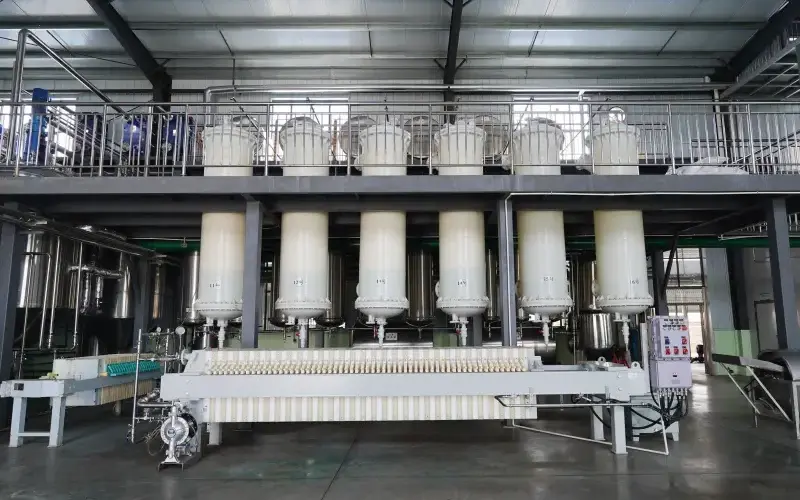
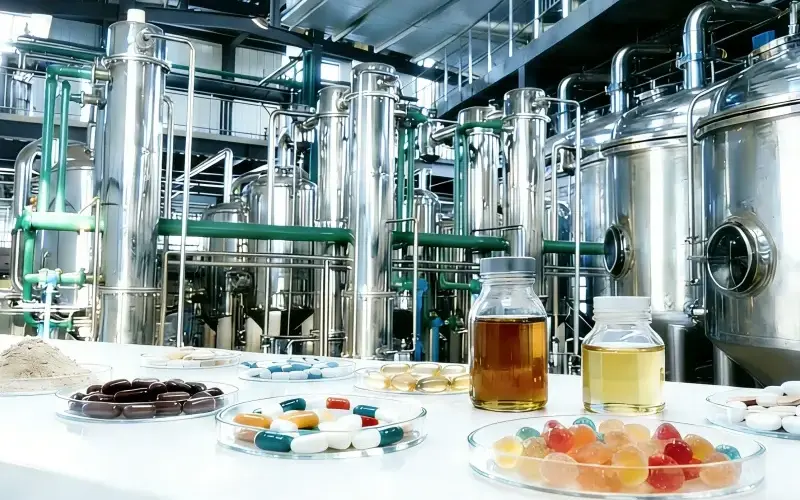
Equipped with 2 automated extraction lines within a certified clean workshop. Our facility produces over 200 tons of high-purity botanical extracts annually, using exclusively food-grade ethanol and purified water extraction.
🔬 PhD-Led Analytical R&D
Our scientific team includes senior PhD and Master nutritionists. Every lot undergoes rigorous testing via HPLC, UV, GC-MS, and ICP-MS to guarantee full compliance with USP, EP, BP, and CP standards.
Whether you are formulating a next-generation zero-sugar beverage, developing functional health gummies, or seeking a reliable contract manufacturer for custom botanical premixes, ZAC Biotech Co., Ltd. provides end-to-end technical support, rapid global sampling, and flexible B2B procurement terms.
Request Full Product Catalog & Technical Dossier
Click below to connect directly with our technical sales specialists. Receive full specification sheets, Certificates of Analysis (COA), safety data, and free samples tailored to your formulation requirements.