_1762508637542.webp)

Onion Extract (Allium cepa Extract) has evolved from a traditional dietary staple into a high-value botanical raw material driven by global demand for natural Quercetin polyphenols, organosulfur compounds, and scalp-stimulating micro-nutrients. Commercial procurement teams face technical hurdles including volatile sulfur preservation, odor attenuation without bio-activity loss, and adulteration with synthetic quercetin. This comprehensive guide details chemical profiling, extraction engineering, quality assurance parameters, and market projections to enable smart procurement decisions for 2026 and beyond.
As global consumer preferences shift decisively toward clean-label bio-actives, industrial demand for Onion Extract has surged across four major sectors: cardiovascular nutraceuticals, topical anti-scar dermatology, trichological (hair growth) formulations, and natural food preservative systems. However, sourcing high-grade Allium cepa extract requires a deep understanding of botanical chemistry, solvent processing, and regulatory compliance. At ZAC Biotech Co., Ltd., backed by over 28 years of botanical extraction expertise since 1996, we provide fully traceable, standardized Onion Extract solutions tailored to rigorous global standards.
1. Phytochemical Architecture & Extraction Engineering of Onion Extract
The therapeutic and functional efficacy of Onion Extract depends on two distinct families of phytochemicals: flavonoids (primarily Quercetin derivatives) and organosulfur compounds (such as Allicin, S-allyl-L-cysteine, and Diallyl disulfide). Understanding how these molecules behave during commercial extraction is essential for establishing technical product specifications.
_1779935700347.webp)
1.1 Major Active Compounds & Bioactive Fingerprints
- Quercetin Polyphenols (Quercetin-3-O-β-D-glucoside & Quercetin-4'-O-β-D-glucoside): Red and yellow onion cultivars are among nature's richest sources of quercetin. These potent antioxidants neutralize free radicals, down-regulate inflammatory cytokines (TNF-α, IL-6), and inhibit lipid peroxidation.
- Organosulfur Compounds & Thiosulfinates: Responsible for the characteristic aroma and powerful antimicrobial action. Upon cellular disruption of the onion bulb, the enzyme alliinase converts alk(en)yl-L-cysteine sulfoxides into thiosulfinates, which undergo thermal transformation into stable disulfides and trisulfides.
- Fructooligosaccharides (FOS) & Inulin Prebiotics: Water-soluble dietary fibers that support gut microbiome modulation in dietary supplement applications.
- Cepains & Steroidal Saponins: Phytochemical complexes recognized in clinical dermatological studies for modulating fibroblast proliferation and collagen remodeling in keloid and hypertrophic scar tissue.
1.2 Advanced Extraction Protocols: Hydro-Ethanolic vs. Deodorized Solvent Isolation
Extracting Allium cepa requires precise temperature control and green solvent systems to prevent thermal degradation of heat-sensitive polyphenols while optimizing active yields:
- Hydro-Ethanolic Reflux Extraction: Food-grade ethanol and purified water (typically 50% to 70% v/v) are used to extract polar flavonoids and glycosides. This yields high concentrations of Quercetin (standardized from 1.0% up to 98% HPLC purity).
- Deodorization & Volatile Removal: For cosmetic hair care and oral dietary applications, the pungent sulfur odor can present sensory challenges. ZAC Biotech Co., Ltd. utilizes proprietary low-temperature membrane filtration and vacuum evaporation to selectively remove volatile lachrymatory factors (such as propanethial S-oxide) while locking in active polyphenols and non-volatile sulfur compounds.
- Spray-Drying & Carrier Stabilization: The concentrated liquid extract is atomized into a fine, free-flowing powder using maltodextrin or microcrystalline cellulose as a natural carrier, guaranteeing stability and extended shelf-life.
2. Standardized Product Matrix & B2B Recommendations
Different commercial formulations require distinct physical forms and active marker profiles. ZAC Biotech Co., Ltd. manufactures a versatile portfolio of Onion Extract grades engineered for specific end-use applications:
| Product Grade / Code | Active Marker Standardization | Physical Form | Solubility Profile | Primary Application |
|---|---|---|---|---|
| Onion Extract Powder 10:1 / 20:1 | Ratio Extract (TLC Verified) | Fine Yellow-Brown Powder | 100% Water Soluble | Nutraceutical Capsules, Tablets |
| Standardized Quercetin 5% - 20% | Quercetin ≥ 5.0% - 20.0% (HPLC) | Brownish-Yellow Powder | Soluble in Hydro-Alcoholic / Water | Cardiovascular & Anti-inflammatory |
| Deodorized Cosmetic Grade | Organosulfur + Polyphenols | Liquid / Fine Powder | Water & Glycerin Soluble | Hair Growth Serums, Anti-Scar Gels |
| Ultra-Pure Quercetin 98% | Quercetin Dihydrate ≥ 98.0% | Bright Yellow Powder | Ethanol & Organic Solvents | High-Potency Longevity Formulas |
| Custom Premix Blend | Tailored Multi-Ingredient Spec | Micro-Encapsulated Powder | Customizable | OEM Functional Food & Beverages |
3. Global Market Projections & Procurement Trends (2026–2032)
The global Onion Extract market is projected to expand at a compound annual growth rate (CAGR) of over 7.2% through 2032. B2B buyers must align their procurement strategies with four key market trends driving consumer demand:
3.1 The Rise of Natural Hair Care & Scalp Microbiome Products
Dermatological interest in Allium cepa extract for hair rejuvenation has exploded worldwide. Clinical studies demonstrate that topical application of onion juice/extract stimulates dermal papilla cells, enhances micro-vascular perfusion around hair follicles, and provides bio-available sulfur necessary for keratin synthesis. Formulators of anti-hair loss shampoos, scalp serums, and beard oils are rapidly replacing synthetic actives with deodorized Onion Extract.
3.2 Clinical Scar Revision & Post-Surgical Topical Treatments
Onion extract is a key active ingredient in leading clinical scar gels (such as Mederma). Its ability to suppress excessive collagen cross-linking and down-regulate TGF-β1 expression makes it a gold-standard botanical for keloid and hypertrophic scar mitigation. Contract manufacturers in North America and Europe are scaling up procurement of standardized, low-microbial Allium cepa extract for over-the-counter (OTC) cosmetic dermatological lines.
3.3 Clean-Label Food Preservation & Antioxidant Replacement
Food beverage brands are actively replacing synthetic preservatives (such as BHT, BHA, and EDTA) with natural plant-derived antioxidants. The synergistic combination of quercetin flavonoids and natural antibacterial thiosulfinates in liquid Onion Extract provides robust lipid oxidation defense and extends shelf life in processed meat, sauces, and savory functional snacks.
3.4 Strict Regulatory Scrutiny on Pesticides & Ethylene Oxide (EtO)
Regulatory authorities including EFSA (European Food Safety Authority) and the US FDA have intensified monitoring of pesticide residues and sterilizing chemical residues in botanical imports. Procurement directors now mandate 100% testing compliance for multi-pesticide screens (over 400 compounds), heavy metal thresholds (Pb < 3.0 ppm, As < 2.0 ppm, Cd < 1.0 ppm, Hg < 0.1 ppm), and zero ethylene oxide contamination.
4. Key Sourcing Pitfalls & Quality Control Protocols
Procuring raw botanical ingredients on the global B2B market carries inherent risks of adulteration, lot-to-lot inconsistency, and analytical misrepresentation. Formulators should establish rigorous quality verification protocols prior to supplier approval:
Adulteration with Synthetic Quercetin
Unscrupulous suppliers may spike low-ratio onion powders with cheap synthetic quercetin to pass basic UV-Vis testing. ZAC Biotech Co., Ltd. utilizes HPLC-DAD fingerprinting and isotopic ratio mass spectrometry (IRMS) to verify authentic botanical lineage.
Volatile Degradation via Over-Heating
High spray-drying temperatures can strip sensitive organosulfur compounds and caramelize natural sugars. Our low-temperature vacuum drying preserves thermolabile actives and maintains uniform powder flowability.
Solvent Residue & Heavy Metals
Poor extraction practices leave harmful toxic solvent residues. We strictly employ food-grade ethanol and purified water, certifying all batches under USP <467> Class 2 and Class 3 solvent limits.
Microbial & Spore Contamination
Bulb crops grown underground carry natural soil microbes. Our state-of-the-art steam sterilization ensures low total plate counts (<1,000 CFU/g) without altering bioactive potency.
5. Why Partner with ZAC Biotech Co., Ltd. for Onion Extract Procurement
Founded in 1996 and headquartered in Changsha, Hunan, China, ZAC Biotech Co., Ltd. is a premier manufacturer of botanical plant extracts, herbal powders, natural oils, and custom nutritional premix formulas. As an executive council member of the Hunan Botanical Extract Association (HNBEA), we bring unparalleled technical authority and operational scale to your supply chain:
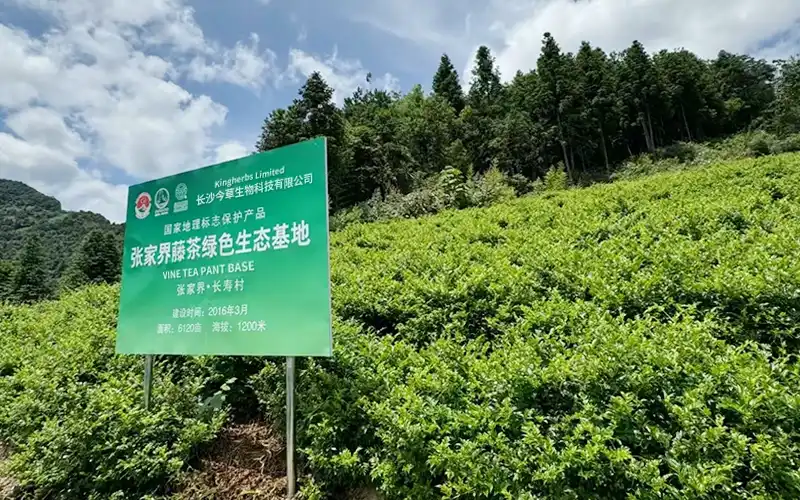
- Proprietary Cultivation Bases: We maintain strict raw material control starting from agricultural origin, ensuring low pesticide residues, non-GMO onion crops, and optimal harvest timing for high bioactive yields.
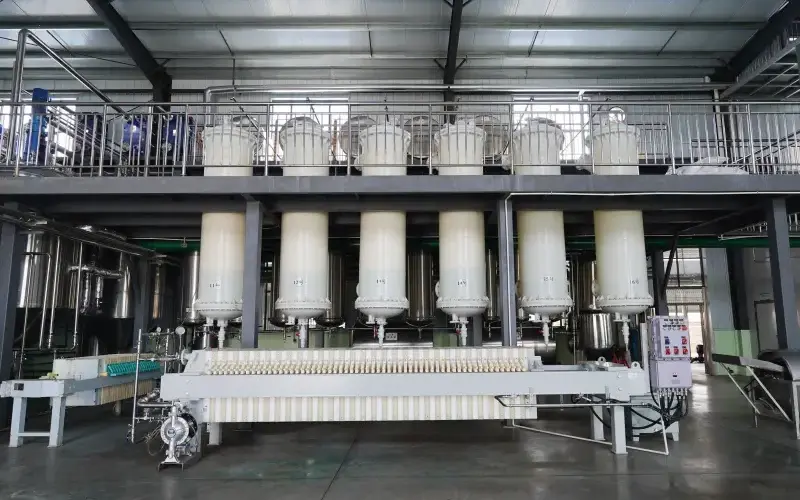
- GMP-Certified Production Scale: Our modern 200T+ annual capacity facility operates dual extraction lines in a clean-room environment fully compliant with ISO, GMP, Kosher, and Halal standards.
- PhD-Led R&D & In-House Testing: Every lot undergoes rigorous testing using high-performance liquid chromatography (HPLC), gas chromatography-mass spectrometry (GC-MS), atomic absorption spectroscopy (AAS), and microbiological testing.
- Custom Formulations & OEM Solutions: Beyond raw extract powders, we provide custom premix formulation blending, micro-encapsulation, liquid deodorization, and finished dosage OEM solutions (capsules, softgels, liquid shots).
- Global Logistics & Regulatory Support: We supply B2B clients across 80+ countries with complete technical documentation, including Certificate of Analysis (COA), Technical Data Sheet (TDS), Safety Data Sheet (SDS), Allergen Statements, and Regulatory Dossiers.
6. Frequently Asked Questions (B2B Procurement FAQ)
Here are expert answers to the most common technical and commercial questions submitted by global buyers and R&D formulators:
Onion Powder is produced by simply dehydrating and milling whole onion bulbs, resulting in low, variable concentrations of active markers (quercetin usually <0.2%) along with high natural sugar content. Standardized Onion Extract undergoes hydro-ethanolic extraction, concentration, and purification to yield concentrated, precise levels of target bio-actives (e.g., 5% to 98% Quercetin by HPLC) with carrier standardization, superior water solubility, and controlled sensory characteristics.
We utilize a multi-stage low-temperature membrane separation and molecular distillation process that selectively removes volatile lachrymatory compounds and pungent sulfur molecules (such as propanethial S-oxide) without subjecting the extract to harsh thermal stress. This preserves the functional flavonoids, bio-available minerals, and non-volatile sulfur compounds essential for hair growth and scar revision formulations.
Each production batch of Onion Extract produced by ZAC Biotech Co., Ltd. is verified using High-Performance Liquid Chromatography (HPLC) for Quercetin quantification, Gas Chromatography (GC) for residual solvent verification, Atomic Absorption Spectroscopy (AAS) / ICP-MS for heavy metals, and standardized agar plating for microbiological safety (TPC, Yeast & Mold, E. coli, Salmonella).
Yes. Our custom nutritional premix division formulates homogeneous dry powders and liquid blends combining Onion Extract with synergistic actives such as Biotin, Saw Palmetto, Collagen Peptides, Vitamin C, Zinc, or Apple Extract. We supply uniform premixes that simplify your internal manufacturing workflow.
Standard B2B packaging includes 25kg double food-grade polyethylene inner bags packed inside fiber drums, or 1kg/5kg aluminum foil vacuum bags for high-potency extracts. Liquid extracts are packaged in 25kg or 200kg HDPE food-grade drums. When stored in sealed original containers in a cool, dry place away from direct sunlight, the product maintains a guaranteed shelf life of 24 months.
Yes. All raw onion batches originate from controlled cultivation bases and undergo comprehensive testing. Our finished extracts fully comply with EU Regulation (EC) No 396/2005 and US FDA MRL limits for pesticide residues, as well as strict heavy metal standards (Lead < 3.0 mg/kg, Arsenic < 2.0 mg/kg, Cadmium < 1.0 mg/kg, Mercury < 0.1 mg/kg).
Our standard MOQ for commercial orders is 25kg (one full drum). However, to support R&D validation and formula testing, we provide complimentary sample kits (100g to 500g) alongside full COA dossiers for qualified enterprise buyers upon request.