ZAC Biotech Co., Ltd. — Blog & Botanical News Base
Knowledge & Industry Trends

Botanical Extract Blog & Insights

Latest research, extraction innovations, and market trends from ZAC Biotech Co., Ltd.

0%

Sourcing reliable Mulberry Leaf Extract Powder requires more than comparing prices or polished supplier websites. Product quality can vary with cultivar, harvest season, drying temperature, and extraction method. This guide examines ten suppliers serving international buyers, with attention to practical evidence rather than promotional language.

Each supplier is considered through measurable factors, including botanical identification, active compound testing, contaminant controls, batch consistency, and traceability. Certificates of analysis should show test dates, methods, and laboratory details. Clear documentation matters. Manufacturing standards, organic options, packaging protection, minimum order quantities, and export experience also influence purchasing decisions. A supplier may offer attractive pricing but provide limited information about heavy metals, pesticides, or microbial results. That weakness deserves attention.

The ranking is not an absolute verdict. Regional availability, currency changes, production capacity, and changing certifications can affect a supplier’s suitability. Buyers should request recent samples and compare them with the stated specifications before placing large orders. A powder that looks pale green may still differ significantly in purity or extraction strength. That is easy to overlook. We also recognize that public information is sometimes incomplete, and this article cannot replace an independent audit or laboratory review. The goal is practical guidance: to help manufacturers, distributors, and formulators identify credible partners, ask sharper questions, and reduce avoidable sourcing risks in the global Mulberry Leaf Extract Powder market.
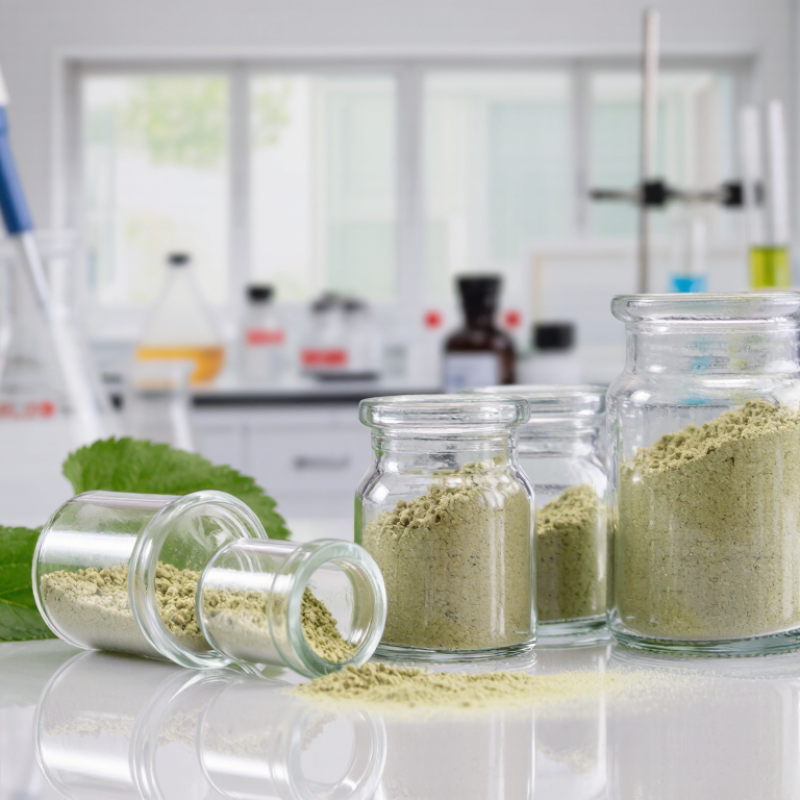
Top 10 Mulberry Leaf Extract Powder Suppliers Worldwide

Global Mulberry Leaf Extract Powder Market Overview

Top 10 Mulberry Leaf Extract Powder Suppliers Worldwide

Global Mulberry Leaf Extract Powder Market Overview

The global mulberry leaf extract powder market is expanding through demand for botanical ingredients, functional beverages, and nutritional products. Asia remains a major sourcing region, supported by established mulberry cultivation and processing experience. European, North American, and emerging markets increasingly request traceable, standardized extracts. However, supplier rankings are never absolute. Quality can vary between batches, even within one facility.

Serious buyers should examine the extract ratio, active-compound profile, moisture level, and production method. Laboratory reports should confirm identity, microbial limits, pesticide residues, heavy metals, and solvent safety. Reliable suppliers provide batch-specific certificates of analysis and clear origin details. Organic or other certifications may support purchasing decisions, but certification alone does not replace independent testing.

Tips: Request a recent sample and compare it with the supplier’s technical sheet. Ask how leaves are harvested, dried, stored, and tested. Check whether packaging protects the powder from humidity and light. Small details matter. Buyers should also review local food and supplement regulations before importing. A supplier with strong documentation may still require closer technical verification, especially when specifications change. That caution is practical, not pessimistic.

Key Criteria for Evaluating International Suppliers

Selecting a mulberry leaf extract powder supplier requires more than comparing prices. International buyers should verify botanical identity, extraction method, and production consistency. Request the Latin plant name, plant part, solvent details, and target marker compounds. A clear certificate of analysis should show testing dates, methods, and batch numbers. Independent laboratory results are more persuasive than a sales brochure. Still, one report cannot represent every shipment. Ask for several recent batches.

Traceability deserves close attention. The supplier should document farm or collection regions, harvest periods, processing sites, and storage conditions. Look for controls covering pesticides, heavy metals, microbes, moisture, and foreign matter. Confirm whether the facility follows recognized quality systems and whether certificates remain valid. An audit, remote or on-site, can reveal gaps that documents hide. Records matter most.

Commercial terms also affect reliability. Compare minimum order quantities, lead times, packaging, shelf-life data, and temperature requirements during transport. Ask how complaints, failed batches, and specification changes are handled. Test a representative sample in your own laboratory before signing a large contract. Communication speed is useful, but technical answers matter more. No checklist is perfect. A supplier may meet every paper requirement yet struggle with seasonal variation or delayed shipping. Keep a written review process, and revisit supplier performance after each delivery.

Top 10 Mulberry Leaf Extract Powder Suppliers Worldwide

Top 10 Mulberry Leaf Extract Powder Suppliers Worldwide

The global botanical extracts market continues to expand. Grand View Research reported a market value of approximately USD 7 billion in 2023, with steady growth expected through 2030. Mulberry leaf extract powder benefits from interest in plant-based nutrition and functional ingredients. However, market size alone does not prove supplier quality.

A reliable worldwide supplier should provide a current certificate of analysis, botanical identity, extraction ratio, and batch traceability. Look for testing of DNJ content, moisture, heavy metals, microbes, pesticides, and residual solvents.

HPLC results matter here. So does a clean factory floor. Suppliers with ISO 22000, HACCP, or equivalent food-safety systems usually offer stronger process control. Yet certification can be incomplete or outdated. Buyers should verify certificate numbers directly.

The top ten suppliers should also be compared by origin, minimum order quantity, lead time, packaging, and technical support. FAO publications emphasize good agricultural and collection practices for medicinal plants, including controlled harvesting and proper drying.

Mulberry leaves can darken when exposed to moisture, so sealed, light-resistant packaging is practical. Ask for stability data under real storage conditions.

A glossy sample proves little. Independent laboratory confirmation is wiser. Some supplier pages still present vague purity claims, and that weakness deserves attention. Pricing should be evaluated alongside specification consistency, not used as the main ranking factor.

Supplier Comparison: Quality, Certifications, and Product Range

Comparing mulberry leaf extract powder suppliers requires more than checking price or a polished product sheet. In practical sourcing work, I start with botanical identity, extraction ratio, moisture, and the powder’s appearance. Fresh, pale green material should not hide a harsh odor or damp clumping. Ask for a recent COA covering active markers, microbes, pesticides, heavy metals, and residual solvents. Samples can vary. Test results should match the lot delivered.

Certifications add value only when their scope, issuing body, and renewal date are verifiable. Look for documented GMP, HACCP, ISO, or organic controls when they fit the intended market. An audit trail should connect farms, drying records, milling, packing, and shipment codes. That detail matters. Suppliers with third-party testing often provide stronger evidence than suppliers relying on internal declarations alone. Still, certification does not replace technical judgment. I have seen attractive certificates with weak batch records. That was a useful warning.

Product range also affects purchasing risk. Some suppliers offer only basic powder, while others provide standardized extracts, different mesh sizes, and customized packaging. Ask whether the same facility handles each format. Shared equipment may create contamination concerns unless cleaning validation is available. Review minimum order quantities, lead times, storage conditions, and stability data before approval. Clear communication helps. However, unanswered technical questions should slow the decision, not disappear inside a low quote. Reliable supply is measured across several lots, not one impressive sample.

Top 10 Mulberry Leaf Extract Powder Suppliers Worldwide - Supplier Comparison: Quality, Certifications, and Product Range

Rank Anonymous Supplier Primary Supply Region Botanical Material Extract Format Typical Specification Quality Documentation Certification Availability Product Range Best-Fit Buyer
1 Supplier 01 East Asia Morus alba leaves Spray-dried powder; water extract 10:1 extract ratio; moisture ≤5%; mesh 80–100 COA, microbiology, heavy metals, pesticide screening GMP, HACCP, ISO 22000, organic options subject to current scope Plain leaf powder, concentrated extract, granules Bulk supplement and functional-food manufacturers
2 Supplier 02 South Asia Morus indica or Morus alba Aqueous extract powder 4:1–10:1 extract ratio; moisture ≤6% Identity testing, microbial limits, residual-solvent statement HACCP and GMP commonly available; verify certificate validity Leaf powder, herbal blends, standardized extracts Cost-sensitive private-label producers
3 Supplier 03 Southeast Asia Morus alba leaves Low-temperature dried powder Whole-leaf powder; moisture ≤8%; natural green color Batch COA, botanical identity, microbial and aflatoxin tests Organic and vegan documentation may be available by batch Tea-grade powder, food ingredient powder, extracts Tea, beverage, and natural-food brands
4 Supplier 04 Central Europe Morus alba leaves Standardized botanical extract Marker-compound specification available by contract; moisture ≤5% Full COA, traceability records, allergen and GMO statements ISO 22000, HACCP, GMP, organic options subject to audit scope Standardized extracts, blends, custom granulation Regulated-market supplement companies
5 Supplier 05 North America Morus alba leaves Imported raw material; milled or extracted locally Custom particle size; moisture and marker limits agreed per purchase order COA review, supplier qualification, contaminant screening GMP, HACCP, non-GMO and organic documentation where applicable Capsule-grade powder, beverage-grade powder, custom blends North American contract manufacturers
6 Supplier 06 East Asia Morus alba leaves Hot-water extract; fine powder 5:1–20:1 extract ratio; moisture ≤5%; water-soluble COA, HPLC or equivalent marker analysis, pesticide panel GMP, HACCP, ISO 9001/22000 availability varies by facility High-ratio extracts, instant powders, formulation blends Functional beverage and nutraceutical developers
7 Supplier 07 Oceania Morus alba leaves Whole-leaf powder and aqueous extract Traceable supply; moisture typically ≤8%; 60–100 mesh Traceability, microbial analysis, heavy-metal and pesticide testing Organic, HACCP, and food-safety documentation subject to product Tea powder, clean-label food ingredients, extracts Clean-label and premium natural-product manufacturers
8 Supplier 08 South America Morus alba leaves Conventional and organic leaf powder Moisture ≤8%; foreign matter controlled; custom milling available COA, identity, microbiology, pesticide and aflatoxin screening Organic and HACCP documentation available for qualifying lots Leaf powder, tea cuts, blended botanical ingredients Herbal tea and food-ingredient importers
9 Supplier 09 Western Europe Morus alba leaves Contract-manufactured extract powder Custom extract ratio, carrier-free or carrier-based options Batch COA, stability data, allergen, GMO and regulatory statements GMP, HACCP, ISO 22000 and organic options require verification Private-label powder, capsules, sachet and premix formats Brands requiring formulation and packaging support
10 Supplier 10 Middle East and Mediterranean Morus alba leaves Milled leaf powder; water extract 4:1–10:1 extract ratio; moisture typically ≤7% COA, botanical identity, microbial and contaminant testing HACCP, GMP, ISO 22000 or organic documents may be available by site Bulk powder, tea-grade material, custom extract blends Regional distributors and herbal-product manufacturers

Verification note: Specifications, certifications, extract ratios, and testing documents can vary by production site and batch. Buyers should request the current COA, certificate scope, botanical identity report, contaminant results, and regulatory documentation before purchase.

Sourcing Considerations for Buyers and Manufacturers

For buyers comparing the Top 10 Mulberry Leaf Extract Powder Suppliers Worldwide, documentation should come before price. The WHO Global Report on Traditional and Complementary Medicine states that 170 of 194 member states reported using traditional medicine. This wider demand increases pressure on botanical supply chains. Ask for the plant’s scientific identity, harvest region, extraction solvent, and batch traceability. Vague origin statements are not enough.

Request a recent certificate of analysis for every lot. It should cover moisture, microbiological limits, pesticides, heavy metals, and marker compounds such as 1-deoxynojirimycin. Independent testing matters. A polished supplier document can still miss contamination. Verify the laboratory’s accreditation, test methods, sampling date, and retained-sample policy. HerbalGram’s market report recorded United States herbal supplement sales above 12 billion dollars in 2023, showing why quality failures can become expensive quickly.

Manufacturers should compare extraction ratios, carrier materials, mesh size, color, odor, and solubility under real production conditions. A sample may disperse well in water yet perform poorly in tablets. Request three consecutive commercial batches, not one perfect sample. Check packaging protection, storage temperature, and estimated shelf life. The supplier’s audit history also deserves attention, although smaller producers may have limited formal records. That is a practical weakness, not automatic proof of poor quality. Ask for corrective-action records and visit the facility when volumes justify the cost.

Top 10 Mulberry Leaf Extract Powder Suppliers Worldwide - Sourcing Considerations for Buyers and Manufacturers

This chart presents an illustrative 100-point procurement framework rather than a ranking of companies or market-share data. Buyers and manufacturers can prioritize botanical identity, active-marker standardization, laboratory testing, contaminant control, traceability, regulatory documentation, process consistency, scalability, logistics, and commercial terms when comparing suppliers.

FAQS

What is driving demand for mulberry leaf extract powder?

Demand comes from botanical ingredients, functional beverages, and nutritional products. Asia remains a major sourcing region. Interest is also growing in Europe and North America. Market growth does not guarantee supplier quality.

What information should buyers request from a supplier?

Request the Latin plant name, plant part, extraction ratio, solvent details, and marker compounds. Ask for batch numbers and testing dates. The technical sheet should match the actual sample. Vague purity claims deserve caution.

Which tests are important for this extract?

Testing should cover botanical identity, moisture, microbes, pesticides, heavy metals, and residual solvents. DNJ content may also require measurement. HPLC results can help confirm marker levels. Test independently.

Why is batch-specific documentation important?

Plant materials can vary by harvest season, location, and processing conditions. One laboratory report cannot represent every shipment. Ask for results from several recent batches. Records matter most.

How can buyers check traceability?

Suppliers should identify growing or collection regions, harvest periods, and processing locations. Storage conditions should also be documented. Review drying methods and warehouse controls. Missing records create avoidable uncertainty.

What packaging helps protect the powder?

Use sealed packaging that limits moisture, light, and foreign matter. Mulberry leaf powder may darken when exposed to humidity. Ask about transport temperature and shelf-life data. Small details matter.

Do food-safety certifications prove supplier reliability?

Certifications can indicate organized food-safety controls. They do not replace independent testing or direct verification. Check certificate validity and identification numbers. A clean certificate is not the whole story.

What should buyers do before placing a large order?

Request a recent sample and compare it with the technical sheet. Test the sample in your own laboratory. Review minimum order quantities, lead times, packaging, and complaint procedures. No checklist catches everything.

Conclusion

The global market for Mulberry Leaf Extract Powder is expanding as manufacturers and health-focused product developers seek plant-based ingredients for supplements, functional foods, beverages, and personal care formulations. This article presents a practical overview of market trends and explains how to evaluate international suppliers based on raw material traceability, extraction methods, consistency, testing procedures, production capacity, and customer support. It also introduces ten leading supplier profiles without relying on brand promotion, helping readers understand the types of companies active in this sector.

A detailed comparison focuses on quality standards, certifications, product specifications, customization options, packaging, and available extract grades. For buyers and manufacturers, the article highlights essential sourcing considerations, including minimum order quantities, lead times, storage conditions, documentation, sample evaluation, and communication across regions. By applying these criteria, purchasers can make more informed decisions, reduce supply risks, and select a reliable Mulberry Leaf Extract Powder partner that matches their technical, commercial, and production requirements.

Ava

Ava

Ava is a seasoned marketing professional with a deep expertise in the company’s innovative product offerings. Her passion for effective communication and strategic marketing consistently shines through in her work, where she takes the lead in crafting insightful blog posts for the company’s......