ZAC Biotech Co., Ltd. — Blog & Botanical News Base
Knowledge & Industry Trends

Botanical Extract Blog & Insights

Latest research, extraction innovations, and market trends from ZAC Biotech Co., Ltd.

0%

Why Choose Cosmetic Botanical Ingredients?

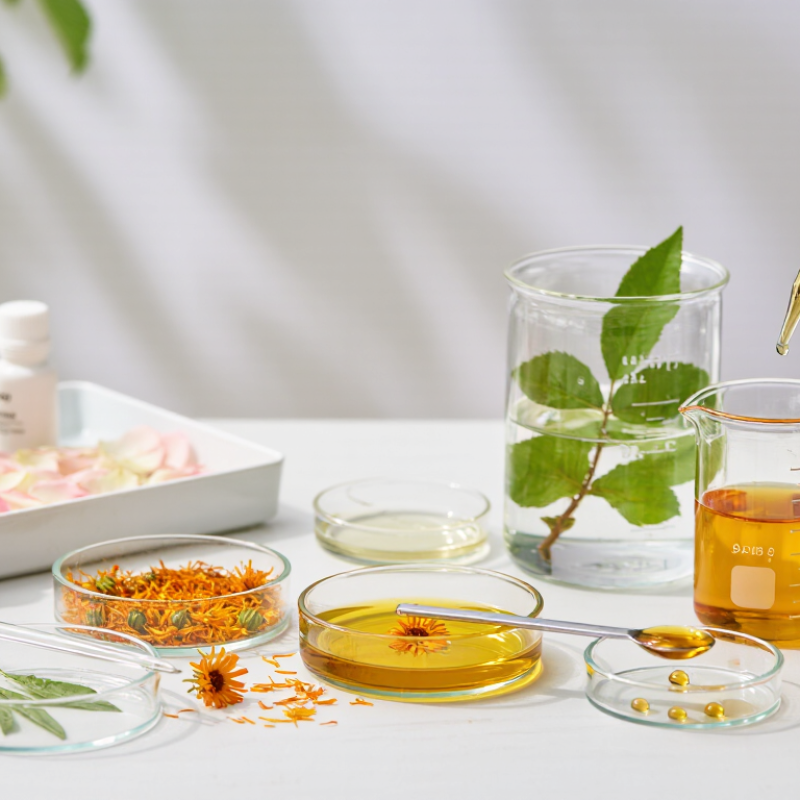
A botanical extract can make a formula feel connected to the living world. Think of calendula petals, green tea leaves, or a drop of cold-pressed jojoba oil. Yet visual appeal is not enough. Cosmetic Botanical Ingredients deserve careful evaluation, not romantic assumptions.

In professional formulation work, performance begins with identity, concentration, and compatibility. A rose extract may soothe a carefully designed formula, but its result depends on extraction method and stability. A poorly preserved product can fail, even when its ingredient list sounds beautiful. That detail matters.

Natural is not automatically better.

Cosmetic scientist Michelle Wong often reminds readers, “Natural doesn’t mean safe, and synthetic doesn’t mean dangerous.” Her statement offers a useful standard for honest product development. Botanical materials can contain beneficial compounds, but they may also include allergens or vary between harvests. Reliable suppliers therefore document origin, testing, contaminants, and batch consistency.

The strongest formulas balance tradition with evidence. They assess skin feel, irritation potential, microbiological safety, and shelf stability. They also explain what an ingredient can realistically do. No plant extract can erase every concern overnight.

There is room for reflection here. Some botanical marketing still promises more than research can support. That weakens consumer trust. A better approach is modest, transparent, and measurable. Choose ingredients with traceable sourcing. Use validated testing. Respect sensitive skin.

Botanicals can enrich modern skincare, but only when enthusiasm meets discipline. That balance creates products people can understand, use confidently, and trust over time.
Why Choose Cosmetic Botanical Ingredients?

What Are Cosmetic Botanical Ingredients?

Cosmetic botanical ingredients are substances derived from plants and used in personal-care formulations. They may include flower waters, leaf extracts, seed oils, roots, gums, waxes, and powdered herbs. Some formulas also use purified plant compounds, such as antioxidant molecules or aromatic constituents.

Their purpose depends on the ingredient and its preparation. A botanical extract may help soften skin, support moisture retention, or improve a product’s sensory feel. Calendula extract, for example, is often selected for soothing-focused formulas. Oat-derived ingredients can provide a comforting, silky touch. The plant source alone does not determine performance. Extraction method, concentration, storage, and compatibility with other ingredients matter greatly.

Natural does not automatically mean gentle. Some botanical constituents can irritate sensitive skin or trigger an allergic response, especially fragrant components. Good formulation practice requires identity testing, contamination controls, stability checks, and accurate ingredient labeling. In professional product development, suppliers should provide documentation about origin, processing, and quality specifications. Patch testing remains sensible for new products.

The details are easy to underestimate. A fresh-smelling extract may still oxidize over time. A traditional plant may have limited cosmetic evidence. Botanical ingredients can be valuable, but their benefits should match realistic research and formulation data, not attractive storytelling alone.

Why Choose Cosmetic Botanical Ingredients?

Botanical ingredients are plant-derived materials used in cosmetics for functions such as emollience, cleansing, antioxidant support, soothing, and fragrance. The chart shows a classification of 15 commonly documented botanical cosmetic ingredients by their primary cosmetic function. It is an ingredient-function overview, not a market-share comparison.

Examples included: jojoba oil, argan oil, sunflower seed oil, olive fruit oil, and coconut oil as emollients; green tea, rosemary, and grape seed extracts for antioxidant-related cosmetic use; aloe vera, chamomile, and calendula for soothing-oriented formulations; soapberry and yucca extracts for cleansing; and lavender and rose oils for fragrance.

How Botanical Ingredients Are Sourced and Processed

Botanical ingredients begin long before they reach a cosmetic formula. Responsible sourcing starts with the plant’s identity, growing region, harvest season, and cultivation method. I look for suppliers that document these details clearly. Traceability matters because soil, rainfall, and farming practices can change the plant’s composition. That sounds simple. It is not. Ethical sourcing also considers worker safety, local ecosystems, and harvest limits. A healthy supply chain protects both plant resources and ingredient quality.

Processing begins soon after harvesting. Leaves may be washed, sorted, and dried under controlled temperatures to reduce moisture without damaging delicate compounds. Roots often need careful cleaning before extraction. Water, glycerin, or other approved extraction media can be selected according to the plant and intended use. Good facilities monitor temperature, time, filtration, and storage conditions. Testing should confirm botanical identity, microbial quality, heavy metals, pesticide residues, and stability. Clear records make these results more reliable.

Natural variation remains unavoidable. One batch may be darker or smell slightly stronger. That is not automatically a defect, but it requires investigation. Suppliers may compare marker compounds and review production records before release. Laboratory data cannot describe every sensory change, though. I have found that appearance, texture, and odor still deserve practical attention. A careful formulator asks where the plant came from, how it was processed, and what changed between batches. More questions are often better.

Key Benefits of Botanical Ingredients in Cosmetics

Why Choose Cosmetic Botanical Ingredients?

Key Benefits of Botanical Ingredients in Cosmetics

Botanical ingredients bring familiar plant-based compounds into modern cosmetic formulas. Aloe, green tea, oat, and chamomile can support skin comfort and help maintain a healthy-looking appearance. Their natural origin also creates a sensory experience, from a soft herbal aroma to a smooth, calming texture.

Small details matter.

Good formulation requires more than choosing an attractive plant name. Professionals examine the extract’s source, concentration, processing method, and compatibility with other ingredients. Antioxidant-rich botanicals may help protect a formula from oxidation, while certain plant oils can improve softness and reduce a dry after-feel.

These benefits depend on evidence and careful testing, not marketing language. Standardized extracts can improve consistency between batches. Stability testing also helps confirm that light, heat, and storage will not quickly weaken the formula.

Botanical does not always mean gentle or risk-free. Some essential oils and plant extracts may irritate sensitive skin or trigger allergies. A responsible product should disclose relevant ingredients and provide clear usage guidance. Patch testing is sensible, especially for reactive skin. I have learned that a beautiful ingredient story can distract from weak formulation. Sustainable sourcing matters too, but vague claims need verification. Cosmetic benefits should be measured through appropriate testing and realistic expectations, rather than promises of dramatic transformation.

Common Types and Uses in Personal Care Products

Why Choose Cosmetic Botanical Ingredients?

Common Types and Uses in Personal Care Products

Botanical ingredients add functional value and sensory character to personal care formulas. Plant oils, such as jojoba, sunflower, and meadowfoam oil, soften skin and improve slip during application. Shea butter and mango butter create richer textures for creams, balms, and body products. Aloe gel and oat extracts are often selected for soothing, hydration-focused formulas. Texture matters.

Water-based extracts from green tea, chamomile, calendula, and rosemary can support products designed for daily skin care. Their benefits depend on the extraction method, concentration, and formula environment. Powders may add gentle cleansing or polishing effects, especially in masks and dry washes. However, “natural” does not automatically mean gentle. Some users may react to botanical compounds.

In practical formulation work, stability testing is essential. Light, heat, oxygen, and water can weaken botanical ingredients over time. A formula may also need a suitable preservative system when it contains water. Essential oils require particular care because fragrance components can irritate sensitive skin. Clear ingredient records, reliable supplier data, and appropriate safety testing improve product trust. Patch testing remains sensible, even with familiar plants. I once underestimated how strongly a mild-smelling extract could affect a formula’s scent. That small mistake changed the final texture and user experience. Botanical selection should match the product’s purpose, not simply its marketing appeal.

Why Choose Cosmetic Botanical Ingredients? - Common Types and Uses in Personal Care Products
Botanical Ingredient Typical Botanical Source Common Cosmetic Forms Key Naturally Occurring Components Common Personal Care Uses Primary Product Benefits Formulation Considerations
Aloe Vera Aloe barbadensis leaf Leaf juice, gel, powder, extract Polysaccharides, including acemannan; minerals and amino acids After-sun gels, moisturizers, facial masks, scalp products Provides a soothing, cooling, and hydrating skin feel Color and odor can vary by processing method; preservation is required for water-based forms
Green Tea Camellia sinensis leaves Water extract, standardized extract, powder Catechins, including epigallocatechin gallate; caffeine and polyphenols Facial serums, creams, cleansers, eye-area products Supports antioxidant-focused and refreshing skincare concepts Polyphenols may darken or oxidize; protection from light and oxygen can improve stability
Chamomile Matricaria chamomilla or Chamaemelum nobile flowers Flower extract, hydrosol, essential oil Flavonoids such as apigenin; volatile compounds Gentle cleansers, creams, baby-care products, scalp treatments Used in calming and sensitive-skin formulations Essential oils may contain fragrance allergens; allergen labeling and skin-safety assessment may be needed
Calendula Calendula officinalis flowers Oil extract, flower extract, infused oil Flavonoids, triterpenoids, carotenoids Balms, barrier creams, hand care, body lotions Supports soothing and skin-conditioning product claims Natural pigments can affect product color; botanical identity and extraction solvent should be documented
Rosehip Rosa canina or Rosa rubiginosa seeds and fruits Seed oil, fruit extract, pressed oil Linoleic acid, alpha-linolenic acid, oleic acid, carotenoids Facial oils, moisturizers, body oils, night-care products Provides emollience and helps create a nourishing skin feel Unsaturated oils are prone to oxidation; use suitable antioxidants and protective packaging
Jojoba Simmondsia chinensis seeds Liquid wax, refined oil, hydrogenated wax Long-chain wax esters and fatty acids Facial oils, lip care, hair conditioners, massage products Offers smooth emollience and good spreadability without a heavy after-feel Although commonly called an oil, it is a liquid wax; grade and refinement influence odor and color
Shea Butter Vitellaria paradoxa kernels Refined or unrefined butter, fractionated butter Stearic acid, oleic acid, unsaponifiable compounds Body butters, lip balms, creams, hair masks Provides rich emollience and helps reduce a dry, tight skin feel Melting behavior affects texture; crystallization control may be important in finished products
Coconut Oil Cocos nucifera kernels Virgin oil, refined oil, fractionated oil Lauric acid, myristic acid, caprylic and capric acids Hair oils, cleansing oils, body products, lip care Provides emollience and contributes to a smooth, conditioning feel Solidifies at cooler temperatures; may feel heavy for some facial-skin types
Oat Avena sativa grain Colloidal oatmeal, oat extract, oat oil, oat beta-glucan Beta-glucans, avenanthramides, lipids, proteins Body lotions, cleansing products, scalp care, sensitive-skin formulas Supports moisturizing, soothing, and skin-comfort product positioning Powders can affect viscosity and appearance; raw material purity and particle size should be controlled
Rosemary Salvia rosmarinus leaves Leaf extract, antioxidant extract, essential oil Rosmarinic acid, carnosic acid, carnosol, volatile terpenes Hair-care products, scalp treatments, antioxidant systems, cleansing products Contributes aromatic character and antioxidant-oriented formulation support Essential oil is highly aromatic and may be sensitizing; extract type and concentration matter
Lavender Lavandula angustifolia flowers Essential oil, hydrosol, flower extract Linalool, linalyl acetate, phenolic compounds Bath products, body lotions, hair products, fragrance-oriented care Provides a recognizable botanical aroma and sensory appeal Fragrance allergens may be present; use levels should follow applicable cosmetic safety requirements
Turmeric Curcuma longa rhizomes Rhizome extract, oil extract, curcuminoid-rich extract Curcuminoids, turmerones, volatile oils Facial masks, cleansers, body care, complexion-focused products Supports antioxidant and radiance-oriented product concepts Strong yellow-orange pigments may stain or alter product color; standardized extracts improve consistency
Ginseng Panax ginseng root Root extract, aqueous extract, powdered extract Ginsenosides, polysaccharides, peptides Facial essences, serums, scalp products, firming-care formulas Used in revitalizing and antioxidant-focused skincare concepts Extract composition varies with age, origin, and extraction method; supplier specifications are important
Witch Hazel Hamamelis virginiana bark, leaves, or twigs Distillate, water extract, tannin-containing extract Tannins, flavonoids, volatile compounds Toners, aftershave products, cleansers, scalp-care products Creates a fresh, astringent sensory profile in rinse-off and leave-on products Alcohol content differs by material; excessive astringency may be unsuitable for dry or sensitive skin
Peppermint Mentha × piperita leaves Essential oil, leaf extract, hydrosol Menthol, menthone, rosmarinic acid Shampoos, scalp products, foot care, oral-care products Provides a cooling sensation and fresh aromatic profile Menthol and essential oil can irritate sensitive skin; avoid contact with eyes and control use levels

Safety, Quality, and Sustainability Considerations

Choosing cosmetic botanical ingredients requires more than a natural label. Safety begins with identity, purity, and predictable use. A leaf extract can contain allergens, pesticides, microbes, or heavy metals. Suppliers should provide botanical names, plant parts, harvest details, and batch records. Independent testing can verify contaminants, preservative performance, and stability over time. Patch testing and finished-product assessments add practical evidence. Natural is not gentle.

Quality depends on controlled cultivation, careful extraction, and consistent storage. Heat, light, oxygen, and water can change an extract before it reaches the formula. Clear specifications help formulators compare color, odor, active markers, and microbial limits. Experienced teams review supplier data rather than accepting attractive claims. They also examine whether an ingredient performs reliably at its intended concentration. Evidence matters. Yet no process is flawless. A small variation in harvest conditions may still affect performance.

Sustainability includes the plant, the people, and the surrounding ecosystem. Responsible sourcing protects wild populations and respects local harvesting knowledge. Cultivated materials may reduce pressure on native species, but they can require more land or water. Packaging, transport distance, extraction energy, and by-product management also matter. A credible assessment asks for evidence across the supply chain, not a single green claim. Even careful buyers may lack complete visibility. That uncertainty deserves honest review. Measurable improvements are more trustworthy than polished promises.

FAQS

How should botanical ingredients be sourced responsibly?

Suppliers should document plant identity, growing region, harvest season, and cultivation method. Traceability protects quality. It also supports worker safety and ecosystem protection. Harvest limits should be reviewed carefully.

What happens after a plant is harvested?

Leaves may be washed, sorted, and dried at controlled temperatures. Roots usually need careful cleaning before extraction. Water or glycerin may extract selected compounds. Temperature, filtration, and storage conditions require monitoring.

How are botanical ingredients tested?

Testing can confirm identity, microbial quality, heavy metals, pesticide residues, and stability. Production records should connect results with each batch. Laboratory data helps, but it cannot explain every color or scent change.

Is natural variation between batches a problem?

Not always. One batch may look darker or smell stronger. Suppliers should compare marker compounds and review production records. Sensory differences still deserve attention. I would not dismiss them too quickly.

What benefits can botanical ingredients provide in cosmetics?

Plant oils may soften skin and improve application slip. Butters can create rich textures in creams and balms. Some extracts support comfort or hydration-focused formulas. Results depend on concentration, processing, and formula compatibility.

Are botanical ingredients always gentle?

No. Some extracts and essential oils may irritate sensitive skin or trigger allergies. “Natural” is not a safety guarantee. Clear ingredient information and usage guidance are important. Patch testing remains sensible.

What should formulators consider when choosing a botanical ingredient?

They should examine the source, concentration, extraction method, and intended product use. Light, heat, oxygen, and water may reduce stability. Water-based formulas may also need a suitable preservation system. Marketing appeal alone is not enough.

How can botanical ingredients affect a product’s sensory experience?

They may change color, texture, aroma, and after-feel. A soft herbal scent can become stronger during storage. I once underestimated a mild-smelling extract. It altered the final formula more than expected. Testing should include real sensory checks.

Conclusion

Cosmetic Botanical Ingredients are plant-derived materials used in skincare, haircare, and other personal care products to provide sensory, nourishing, and functional benefits. They may come from flowers, leaves, roots, seeds, fruits, or herbs and can be prepared as oils, extracts, powders, waters, or other carefully processed forms. Responsible sourcing and gentle processing help preserve their useful natural compounds while supporting consistent product quality.

These ingredients are valued for their moisturizing, soothing, refreshing, antioxidant, and conditioning properties, making them suitable for products such as creams, cleansers, shampoos, masks, and body care formulas. However, natural origin does not automatically guarantee safety or effectiveness. Each ingredient should be properly identified, tested for purity and stability, and used at an appropriate level. Manufacturers should also consider allergies, environmental impact, traceability, ethical harvesting, and sustainable cultivation. Choosing well-controlled botanical materials can help create personal care products that balance performance, safety, quality, and respect for natural resources.

Liam

Liam

Liam is a seasoned marketing professional with a deep-rooted passion for promoting innovative solutions that elevate businesses to new heights. With a wealth of experience in digital marketing strategies and content creation, he plays a crucial role in enhancing the company's online presence. Liam......