_1762508637542.webp)
Choosing reliable suppliers for Animal Health Plant Extracts requires more than comparing product catalogs or advertised prices. Extracts used in livestock, poultry, aquaculture, and companion-animal products must be evaluated through documented quality systems, botanical identity, extraction methods, and batch consistency. A dependable supplier should provide certificates of analysis, traceability records, contaminant testing, and clear information about active compounds. These details matter when a powder arrives in a sealed drum, yet its color, aroma, and solubility differ from the previous batch.
This guide examines 10 Best Animal Health Plant Extracts Suppliers Worldwide through practical and professional criteria. The selection considers manufacturing experience, technical support, research cooperation, sourcing transparency, and compliance with applicable regional regulations. It also considers whether suppliers can support pilot trials, stable formulations, and realistic delivery schedules. Not every company will excel in every category. That is worth admitting.
Supplier reputation can change as facilities, management, or sourcing regions change. Buyers should verify current documents directly and request representative samples before making commitments. Independent laboratory testing remains valuable, especially for products intended for sensitive animals or complex feed formulas. The strongest suppliers do not simply promise performance; they explain limitations, recommended inclusion levels, storage conditions, and evidence behind their claims. This overview offers a careful starting point, not a substitute for veterinary judgment, regulatory review, or controlled product validation.
Defining Animal Health Plant Extracts and Their Core Applications
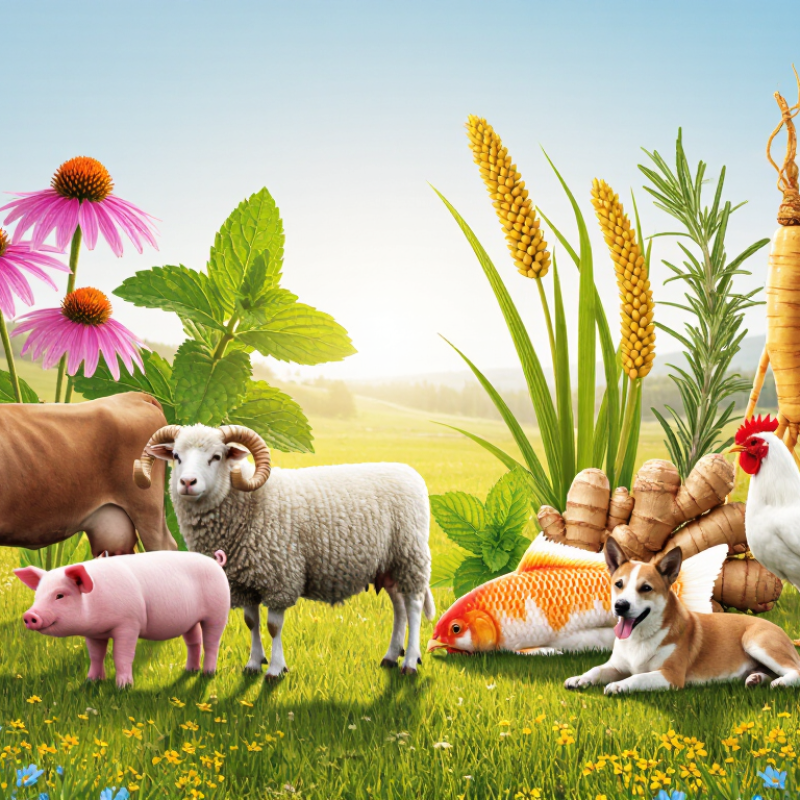
Animal health plant extracts are concentrated preparations made from leaves, roots, seeds, flowers, or bark. They contain active compounds such as polyphenols, saponins, essential oils, or alkaloids. Their effects depend on plant variety, harvest time, extraction method, and dosage. “Natural” does not automatically mean safe or effective.
Their core applications include supporting digestive function, feed intake, antioxidant protection, and normal immune responses. Some extracts may also help maintain respiratory comfort or skin condition when used in suitable formulations. In animal feed, the carrier and mixing process matter. A poorly dispersed extract can produce uneven intake across a herd. That detail is often overlooked.
Reliable suppliers should provide botanical identification, batch testing, contaminant screening, and stability data. Traceability should extend from cultivation to finished powder or liquid. Practical evaluations should compare laboratory findings with farm conditions, because promising in vitro results may not perform equally in animals. Results can vary.
Species, age, diet, and housing conditions influence outcomes. Veterinary and nutrition professionals should review dosage and claims under local regulations. Supplier documents are useful, but they are not a substitute for independent verification. A clear specification, realistic evidence, and consistent batches usually matter more than impressive marketing language.
| No. | Plant Extract Category | Primary Botanical Source | Representative Bioactive Compounds | Core Animal-Health Applications | Common Target Species | Typical Product Formats | Key Quality and Sourcing Requirements | Evidence and Use Considerations |
|---|---|---|---|---|---|---|---|---|
| 1 | Oregano Extract | Origanum vulgare | Carvacrol, thymol, p-cymene, gamma-terpinene | Feed palatability Gut-environment support Antioxidant support | Poultry, swine, ruminants, aquaculture | Standardized essential oil, dry extract, microencapsulated powder, liquid premix | Botanical authentication, carvacrol/thymol assay, control of oxidation, pesticide and solvent-residue testing | Frequently studied in poultry and swine nutrition. Results depend on chemotype, dose, diet, delivery system and farm conditions; it is not a substitute for veterinary treatment. |
| 2 | Thyme Extract | Thymus vulgaris | Thymol, carvacrol, linalool, rosmarinic acid | Digestive support Antioxidant support Feed hygiene programs | Poultry, swine, calves, aquaculture | Essential oil, water-dispersible powder, botanical blend, coated feed additive | Defined thymol content, consistent plant identity, low microbial load, stability during feed processing and storage | In-vitro antimicrobial activity is well documented, while in-vivo performance varies. Product claims should comply with the regulations of the target market. |
| 3 | Garlic Extract | Allium sativum | Allicin-related sulfur compounds, ajoene, diallyl sulfides | Feed intake support Immune-response support Antioxidant support | Poultry, swine, ruminants, fish | Aged garlic extract, stabilized powder, oil macerate, encapsulated preparation | Specification of active sulfur compounds, protection from heat and moisture, odor control, mycotoxin and heavy-metal screening | Research has examined effects on performance, immunity and oxidative status. Fresh garlic chemistry can change rapidly, so standardized processing is important. |
| 4 | Turmeric Extract | Curcuma longa | Curcuminoids, turmerones, volatile oils | Oxidative-stress management Inflammatory-response support Digestive support | Poultry, swine, dairy cattle, aquaculture | Curcuminoid-standardized extract, oleoresin, emulsified liquid, coated powder | Curcuminoid assay, bioavailability profile, carrier compatibility, stability against light and oxidation, contaminant testing | Curcuminoids have limited natural bioavailability; formulation technology can materially affect results. Use should be positioned as nutritional support rather than disease treatment. |
| 5 | Milk Thistle Extract | Silybum marianum | Silymarin complex, including silybin, silydianin and silychristin | Liver-function support Antioxidant support Metabolic resilience | Dairy cattle, poultry, swine, companion animals | Seed extract, standardized silymarin powder, granules, liquid formulation | Minimum silymarin specification, seed authentication, aflatoxin and pesticide screening, protection from oxidation | Used primarily in nutritional and hepatoprotective-support formulations. It should not be presented as a treatment for toxic or infectious liver disease. |
| 6 | Neem Extract | Azadirachta indica | Azadirachtin, nimbin, salannin, limonoids | External-parasite programs Insect-management support Skin-care formulations | Poultry, cattle, sheep, goats, companion animals | Seed or leaf extract, topical solution, spray, emulsifiable concentrate | Azadirachtin assay, topical-use safety, residual analysis, botanical-part identification and regional regulatory review | Most established applications are agricultural or topical. Oral use, dosage, residue status and species safety require specific regulatory and veterinary assessment. |
| 7 | Yucca Extract | Yucca schidigera | Steroidal saponins, polyphenols, resveratrol derivatives | Ammonia-odor management Manure-management support Feed additive applications | Poultry, swine, cattle, companion animals | Stem extract, spray-dried powder, liquid concentrate, premix ingredient | Saponin content, moisture control, microbial quality, heavy-metal screening, demonstrated performance under defined housing conditions | Commonly evaluated for reducing ammonia or odor-related emissions. Outcomes are influenced by ventilation, manure handling, diet and inclusion rate. |
| 8 | Peppermint Extract | Mentha × piperita | Menthol, menthone, menthyl acetate, rosmarinic acid | Feed palatability Digestive comfort Cooling and aroma support | Poultry, swine, ruminants, companion animals | Essential oil, leaf extract, encapsulated powder, drinking-water or feed premix | Menthol/menthone profile, adulteration testing, oxidation control, palatability assessment and species-specific dose evaluation | Primarily used in sensory, digestive and feed-management programs. High concentrations of essential oils may reduce intake or cause irritation. |
| 9 | Ginger Extract | Zingiber officinale | Gingerols, shogaols, zingerone, volatile sesquiterpenes | Digestive support Antioxidant support Feed-intake support | Poultry, swine, ruminants, aquaculture | Rhizome powder, ginger oleoresin, standardized extract, encapsulated preparation | Gingerol profile, moisture and microbial limits, pesticide testing, protection against oxidation and heat degradation | Animal-nutrition studies have investigated digestion, antioxidant status and performance. Effects depend on extract maturity, processing and inclusion level. |
| 10 | Rosemary Extract | Rosmarinus officinalis / Salvia rosmarinus | Carnosic acid, carnosol, rosmarinic acid, essential oils | Feed antioxidant Lipid-stability support Product shelf-life support | Poultry, swine, ruminants, aquaculture, pet food | Antioxidant extract, oleoresin, dry powder, blended feed preservative | Quantified carnosic acid/carnosol, peroxide-value testing, solvent-residue control, compatibility with fats and premixes | Well suited to protecting feed lipids from oxidation. Performance should be verified in the actual feed matrix and storage environment. |
FAQS
They are concentrated preparations from leaves, roots, seeds, flowers, or bark. They may contain polyphenols, saponins, essential oils, or alkaloids. Natural does not guarantee safety.
They may support digestion, feed intake, antioxidant protection, and normal immune responses. Some formulations may support respiratory comfort or skin condition. Results can vary.
Request botanical identity, plant part, geographic origin, extraction solvent, marker range, and batch traceability. Testing should cover pesticides, heavy metals, microbes, mycotoxins, and residual solvents. A certificate alone is not enough.
Review stability data, laboratory accreditation, sampling methods, detection limits, manufacturing controls, and change-management procedures. Compare several batches, not one attractive report. Records matter.
Poultry may need highly palatable ingredients. Ruminant products require attention to rumen stability and fiber digestion. Aquaculture extracts must remain stable in water. Young animals need tolerance data.
Poor dispersion can create uneven intake across a herd. Check feed or water mixing, smell, taste, settling, and storage conditions. A powder collecting at the bottom is a warning sign.
Not reliably. Laboratory findings may not match animal outcomes. I once treated a strong analytical profile as sufficient evidence. That was a mistake.
Start with a small trial and define measurable indicators beforehand. Track feed intake, weight gain, egg quality, milk output, or survival. Compare similar diets and housing conditions. Some uncertainty remains.
Conclusion
Animal Health Plant Extracts are botanical-based ingredients used to support animal nutrition, digestion, immunity, stress management, skin and coat condition, and overall wellness. This article explains their main applications across livestock, companion animals, poultry, and aquaculture, while highlighting how carefully selected plant compounds can complement balanced diets and responsible animal-care programs.
It also outlines the key factors for evaluating global suppliers, including botanical identification, extraction methods, consistency, traceability, contaminant control, scientific documentation, and regulatory compliance. The review presents ten leading types of suppliers worldwide without focusing on brand names, emphasizing their capabilities in quality assurance, customized formulations, technical support, and reliable supply. Finally, it provides practical guidance for matching a supplier’s expertise and product format to different animal species, production goals, dosage requirements, and safety expectations. Selecting a dependable partner requires transparent documentation, verified testing, stable quality, and a clear understanding of species-specific needs.