ZAC Biotech Co., Ltd. — Blog & Botanical News Base
Knowledge & Industry Trends

Botanical Extract Blog & Insights

Latest research, extraction innovations, and market trends from ZAC Biotech Co., Ltd.

0%

China has become a significant source of Agricultural Botanical Extracts for food, cosmetics, agriculture, and wellness applications. Its supplier base includes large manufacturers, specialized processors, and smaller regional producers.

Choosing a reliable supplier requires more than comparing prices. Buyers should examine botanical identification, extraction methods, active-marker testing, and batch-to-batch consistency. A serious supplier can explain its raw material sources clearly. It should also provide traceability records, technical data sheets, certificates of analysis, and relevant quality-system documentation.

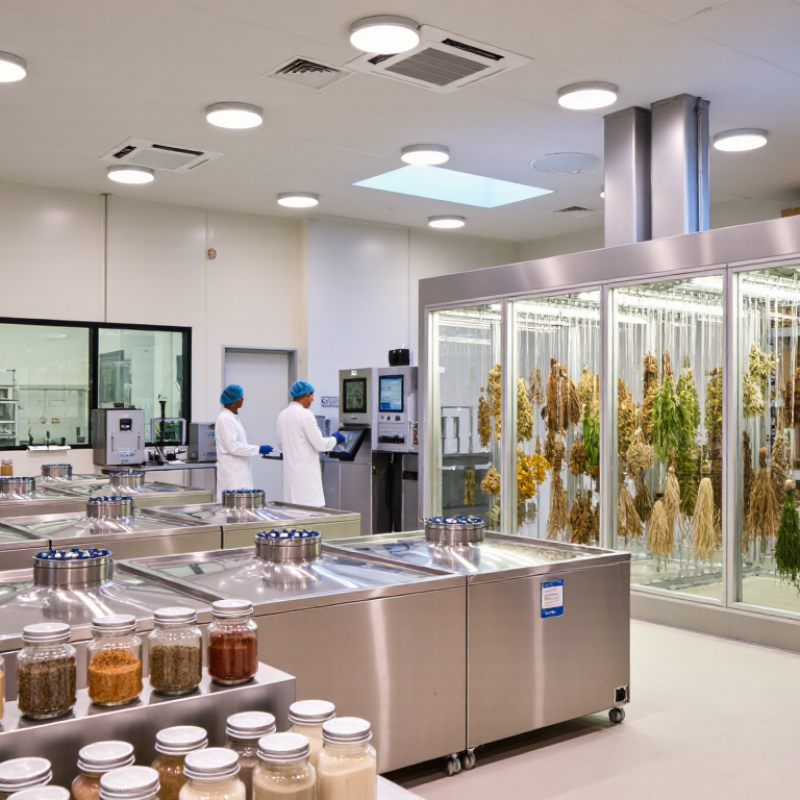
The best suppliers usually demonstrate practical experience with herbs, roots, flowers, seeds, or leaves. Their facilities may include stainless-steel extraction tanks, controlled drying rooms, and dedicated testing laboratories. These details matter. They reveal how carefully a supplier manages moisture, contamination risks, and storage conditions.

Independent testing can strengthen confidence in identity, purity, heavy-metal limits, pesticide residues, and microbiological safety. Buyers should confirm that testing matches the destination market and intended application. Regulatory expectations differ across countries, so broad claims can be misleading.

A “top” supplier is not always the largest company. Communication, sampling accuracy, production flexibility, and after-sales support also influence long-term performance. Ask for a pilot batch before signing a major contract. It can expose differences between laboratory samples and commercial production.

Some supplier websites present impressive facilities but limited evidence. That deserves reflection. A polished brochure cannot replace verifiable records, clear specifications, and responsive technical communication. This guide introduces leading Chinese Agricultural Botanical Extracts suppliers through a practical, evidence-based lens. It considers capability, reliability, transparency, and responsible sourcing. No ranking should be treated as permanent. Supplier performance can change with raw materials, management, and market requirements.
China Top Agricultural Botanical Extracts Suppliers

China’s Botanical Extract Industry: 2024 Market Value and Export Growth Rate

China Top Agricultural Botanical Extracts Suppliers

China’s botanical extract industry expanded in 2024, supported by demand from food, cosmetics, and health-product manufacturers. Market research estimates placed the sector’s value near US$6–8 billion, depending on product definitions and reporting methods. The figures are not perfectly comparable. Some reports include essential oils, while others count only standardized plant extracts.

Export performance remained positive. Industry and customs-based assessments commonly indicate annual export growth of about 6–10% in 2024. Demand was strongest for tea extracts, ginseng-related ingredients, citrus materials, and botanical powders. Asia, Europe, and North America remained important destinations. However, exchange rates, freight costs, and changing import requirements affected individual suppliers differently.

Reliable Chinese agricultural botanical extract suppliers usually show more than a product list. They provide botanical names, plant parts, extraction solvents, batch numbers, and certificates of analysis. Experienced buyers should also check pesticide residues, heavy metals, microbial limits, and marker-compound testing. Traceability matters. A supplier should identify the growing region and harvest period when possible.

Quality can still vary between batches. That point deserves attention. Some suppliers may present impressive laboratory results without explaining sampling methods or reference standards. Requesting a retained sample, production record, and independent test can reduce uncertainty. Sustainable sourcing also requires practical evidence, not broad promises, especially when seasonal crops face unstable yields.

Leading Supplier Types: GMP Manufacturers, OEM Producers, and Extract Specialists

China Top Agricultural Botanical Extracts Suppliers

China’s leading botanical extract suppliers usually fit three practical categories: GMP manufacturers, OEM producers, and extract specialists. GMP manufacturers focus on controlled production, sanitation, traceability, and documented quality systems. Buyers should request batch records, certificates of analysis, and testing results for pesticides, heavy metals, microbes, and solvent residues. A clean factory is helpful, but paperwork must match the actual batch.

OEM producers support private-label projects, from formula adjustment to packaging and delivery. They can shorten development time, especially when buyers need standardized powder, liquid extracts, or customized concentrations. However, product claims require careful review. Marketing language can move faster than scientific evidence. Extract specialists provide deeper knowledge of plant identity, extraction ratios, marker compounds, and stability. Their experience is valuable when a raw material changes color or aroma between harvests.

Tips: Ask for the botanical name, plant part, extraction solvent, DER ratio, storage conditions, and shelf-life data. Request a retained sample and compare it with the delivered batch. Check whether testing uses an independent laboratory. Small details matter. In practice, supplier evaluation is rarely perfect; one missed question can affect an entire production run. A reliable partner welcomes technical questions, explains limitations, and updates documents when specifications change.

China Top Agricultural Botanical Extracts Suppliers - Leading Supplier Types: GMP Manufacturers, OEM Producers, and Extract Specialists

Supplier Type Primary Production Focus Common Botanical Extract Categories Typical Quality Systems Available Product Forms Documentation Commonly Provided Best Suited For
GMP-Oriented Manufacturers Large-scale extraction, concentration, drying, blending, and batch-controlled production Tea polyphenols, citrus bioflavonoids, ginkgo extracts, milk thistle extracts, grape seed extracts, and other standardized plant ingredients GMP-based procedures, HACCP or food-safety systems, allergen controls, traceability, and documented sanitation programs Powders, granules, dry extracts, liquid concentrates, and standardized extracts Certificate of analysis, specification sheet, safety data sheet where applicable, batch records, test reports, and traceability information Nutraceutical, food, beverage, and supplement buyers requiring consistent commercial-scale supply
OEM Producers Customized formulation, private-label manufacturing, packaging, labeling, and finished-product production Herbal blends, botanical capsules, tablets, instant powders, functional beverages, gummies, and customized agricultural-plant formulations Product-specific quality controls, production specifications, packaging checks, in-process inspection, and final batch release procedures Capsules, tablets, sachets, powders, tea bags, liquid shots, bottles, and retail-ready packaging Formula sheet, label artwork review, ingredient specifications, certificate of analysis, packaging specifications, and finished-product test results Importers, distributors, retailers, and businesses launching customized botanical products
Extract Specialists Focused extraction and purification of selected plants, active compounds, and standardized ingredients Polysaccharides, saponins, alkaloids, flavonoids, polyphenols, anthocyanins, essential oils, and plant proteins Raw-material identification, marker-compound testing, moisture control, microbial testing, heavy-metal testing, and stability evaluation Fine powders, spray-dried extracts, solvent-free concentrates, liquid extracts, and oil-based extracts Botanical identity data, extraction ratio, marker-compound assay, chromatographic test results, certificate of analysis, and storage guidance Ingredient formulators and research-driven buyers needing defined specifications or targeted active compounds
Agricultural Raw-Material Processors Cleaning, milling, drying, sorting, and primary processing of plant materials before extraction Dried leaves, roots, flowers, fruits, seeds, peels, herbs, grains, and other agricultural botanical materials Incoming-material inspection, moisture management, foreign-matter removal, pest controls, and lot traceability Whole dried botanicals, cut botanicals, coarse powders, fine powders, and cleaned seeds Origin information, agricultural processing details, moisture results, pesticide-residue testing where requested, and batch identification Extraction plants, tea manufacturers, food processors, and buyers sourcing plant materials for further processing
Food-Grade Botanical Ingredient Suppliers Production of botanical ingredients intended for foods, drinks, flavor systems, and functional formulations Fruit extracts, vegetable powders, tea extracts, spice extracts, natural colors, and botanical flavor ingredients Food-safety management, microbial controls, foreign-material controls, allergen management, and shelf-life monitoring Water-soluble powders, liquid extracts, emulsions, natural color powders, and flavor concentrates Ingredient specification, certificate of analysis, allergen statement, non-GMO statement when applicable, and storage requirements Food and beverage manufacturers developing functional drinks, bakery products, confectionery, and nutrition products
Research and Custom-Development Suppliers Pilot extraction, process optimization, custom standardization, formulation trials, and small-batch development Specialty herbs, rare plant materials, multi-herb blends, optimized fractions, and extracts requiring custom marker profiles Defined development protocols, analytical method selection, pilot-batch records, sample retention, and comparative testing Laboratory samples, pilot powders, concentrated liquids, prototype blends, and custom-prepared materials Technical data sheet, sample test report, development summary, proposed specification, analytical results, and scale-up recommendations R&D teams, universities, emerging brands, and manufacturers validating new botanical applications

Note: Certification scope, extraction methods, testing frequency, minimum order quantities, and regulatory documentation vary by supplier, product, destination market, and intended application. Buyers should verify current specifications and certificates for each batch.

Raw-Material Networks: 300+ Commercial Botanicals and Farm-to-Batch Traceability

China Top Agricultural Botanical Extracts Suppliers

Raw-Material Networks: 300+ Commercial Botanicals and Farm-to-Batch Traceability

A capable agricultural botanical extract supplier needs more than a large product list. It needs dependable access to roots, leaves, flowers, seeds, fruits, and barks across suitable growing regions. A network covering more than 300 commercial botanicals can support varied formulation needs while reducing pressure on a single harvest area.

Traceability begins at the farm. Each material should carry records for its origin, cultivation conditions, harvest date, drying method, and storage location. At the processing site, trained teams inspect appearance, moisture, foreign matter, and identity. Laboratory testing can then verify active markers, microbiological quality, heavy metals, and pesticide residues according to the intended market requirements.

Farm-to-batch control must remain practical. Field records should connect with warehouse labels, production logs, test reports, and retained samples. Small details matter, such as sealed bags, clean pallets, and temperature checks during storage. They are easy to overlook.

No traceability system is flawless. Weather can change a crop, and supplier records may contain gaps. Reliable suppliers investigate these issues instead of hiding them. They review deviations, compare test results, and improve sourcing decisions each season. This honest process builds professional confidence. It also helps buyers evaluate consistency before approving a long-term supply arrangement.

Quality Benchmarks: HPLC Assays, ISO 22000, GMP, and COA Testing

Choosing agricultural botanical extracts from China requires more than a low quoted price. Quality begins with identity, traceability, and measurable potency. During supplier evaluations, I look for the botanical name, plant part, harvest region, and extraction solvent. These details should match the batch record. A clear chain of custody reduces avoidable surprises. It is not perfect protection. Seasonal variation still matters.

HPLC assays provide a practical view of marker compounds. The method should state the column, detector, reference standard, and acceptance range. A reported percentage without method details is weak evidence. I compare the COA with an independent laboratory report when the ingredient affects a finished product. Testing may include moisture, microbial limits, heavy metals, pesticides, and residual solvents. A polished COA can still hide a sampling problem.

ISO 22000 shows that food safety risks are managed through a documented system, while GMP focuses on controlled production. Audits should examine cleaning logs, allergen controls, calibration records, and deviation handling. Ask whether corrective actions were actually closed. Certificates alone do not prove daily discipline. Good suppliers retain representative samples and explain out-of-specification results without defensiveness. I have learned to leave room for uncertainty; honest gaps are easier to manage than confident promises.

Supplier Evaluation: Extract Ratios, ≥95% Marker Compounds, MOQ, and Lead Time

China Top Agricultural Botanical Extracts Suppliers

Selecting a Chinese agricultural botanical extract supplier requires more than comparing price lists. Grand View Research’s 2024 market assessment projects the botanical extracts market to grow at roughly 8% annually through 2030. This growth increases pressure on raw-material traceability and testing discipline. Buyers should request the plant part, extraction solvent, and native extract ratio, such as 5:1 or 10:1. A higher ratio does not automatically mean stronger efficacy. That distinction is often missed.

Marker compounds deserve separate verification. A specification of ≥95% should identify the exact marker, analytical method, reference standard, and test laboratory. High-performance liquid chromatography results should match the batch number. Ask for pesticide, heavy-metal, microbial, and residual-solvent results. The World Health Organization’s quality-control guidance emphasizes identity, purity, and contamination control for herbal materials. One certificate is not enough.

MOQ and lead time can expose operational risk. A practical request includes trial MOQ, production MOQ, packaging format, and safety stock options. For agricultural extracts, 30–60 days may be realistic after raw-material approval, while custom testing can extend schedules. Confirm this in writing. Suppliers quoting seven days for a newly customized extract deserve careful questions. I would also compare three recent batches, not one attractive sample. That extra step may feel slow, but inconsistent crops can quietly damage a reliable-looking supply plan.

China Agricultural Botanical Extract Supplier Evaluation

Anonymized benchmark records comparing extract ratios, marker-compound assay, minimum order quantity, and lead time. The marker-compound reference threshold is ≥95%.

Higher extract ratios and marker-compound assays generally indicate stronger concentration and specification control. Lower MOQ and shorter lead time can reduce purchasing risk for sample orders and initial production runs.

Botanical Extract Extract Ratio Marker Assay MOQ (kg) Lead Time (business days)
Turmeric Extract 10:1 95% 25 21
Green Tea Extract 10:1 98% 25 18
Milk Thistle Extract 10:1 95% 50 28
Ginkgo Biloba Extract 50:1 95% 25 25
Berberine Extract 5:1 97% 25 20

FAQS

How large was China’s botanical extract market in 2024?

Estimates placed it near US$6–8 billion. Some reports include essential oils. Others count only standardized extracts. The figures are not perfectly comparable.

How quickly did botanical extract exports grow in 2024?

Export growth was commonly estimated at 6–10%. Tea extracts, ginseng-related ingredients, citrus materials, and botanical powders showed strong demand. Results varied by supplier.

Which regions imported these botanical extracts?

Asia, Europe, and North America remained important destinations. Exchange rates and freight costs changed supplier performance. Import requirements also shifted.

What information should a reliable supplier provide?

Request the botanical name, plant part, extraction solvent, batch number, and certificate of analysis. The supplier should also identify the growing region and harvest period when possible. Traceability matters.

What tests should buyers request?

Consider pesticide, heavy-metal, microbial, moisture, and residual-solvent testing. Marker compounds may require HPLC analysis. One polished certificate is not enough.

What details should an HPLC report include?

It should identify the column, detector, reference standard, and acceptance range. A percentage without method details is weak evidence. Method matters.

Do ISO 22000 and GMP certificates prove consistent quality?

No. They indicate documented systems and controlled production practices. Audits should review cleaning logs, allergen controls, calibration, and deviations. Certificates alone cannot prove daily discipline.

How can buyers manage batch-to-batch variation?

Request a retained sample, production record, and independent laboratory test. Compare results with the batch certificate. Seasonal crops can change unexpectedly.

What evidence supports sustainable sourcing claims?

Ask for practical records about growing regions, harvest periods, and supply continuity. Broad promises are weak evidence. Yields can become unstable.

Conclusion

China’s Agricultural Botanical Extracts industry has continued to expand in 2024, supported by growing demand from food, nutrition, cosmetics, and wellness applications. The market includes GMP-certified manufacturers, OEM producers, and specialized extract companies, offering different capabilities in formulation, processing, customization, and bulk supply. A strong raw-material network covering more than 300 commercial botanicals helps suppliers maintain stable sourcing, while farm-to-batch traceability improves transparency and consistency throughout production.

Quality evaluation is essential when selecting a Chinese supplier. Buyers should review HPLC assay results, marker-compound specifications, ISO 22000 and GMP systems, and complete Certificates of Analysis (COA) for every batch. Important commercial factors include extract ratios, marker compounds of at least 95% where required, minimum order quantities, production capacity, and lead times. By comparing technical documentation, traceability practices, testing standards, and fulfillment reliability, international buyers can identify suitable suppliers and build more dependable long-term sourcing partnerships.

Emily

Emily

Emily is a dedicated marketing professional with a deep understanding of our company's products and services. With a keen eye for detail and a passion for driving results, she plays a vital role in shaping our brand's online presence. Emily regularly updates our website with insightful blog......