ZAC Biotech Co., Ltd. — Blog & Botanical News Base
Knowledge & Industry Trends

Botanical Extract Blog & Insights

Latest research, extraction innovations, and market trends from ZAC Biotech Co., Ltd.

0%

Botanical Plant Growth Stimulants are becoming important tools for growers seeking stronger crops with fewer resource losses. They are not conventional fertilizers or pesticides. Instead, they support plant processes such as nutrient uptake, root development, stress tolerance, and recovery after heat or drought.

Industry reports show why interest is rising. MarketsandMarkets estimated the global biostimulants market at approximately USD 3.1 billion in 2023, with continued growth expected through 2028. The Food and Agriculture Organization has also emphasized improving nutrient-use efficiency and soil health as agriculture faces water, climate, and productivity pressures. Meanwhile, the European Biostimulant Industry Council describes biostimulants by their function, rather than only by their ingredients. This distinction matters.

The 2026 landscape includes several leading categories. Seaweed extracts are valued for their natural compounds and practical use in foliar sprays. Humic and fulvic substances are commonly applied to support soil structure and nutrient availability. Amino acids and protein hydrolysates may help plants respond to transplanting, salinity, or temperature stress. Microbial inoculants, including beneficial bacteria and fungi, target the root zone. Selected botanical extracts are also gaining attention for their diverse bioactive compounds.

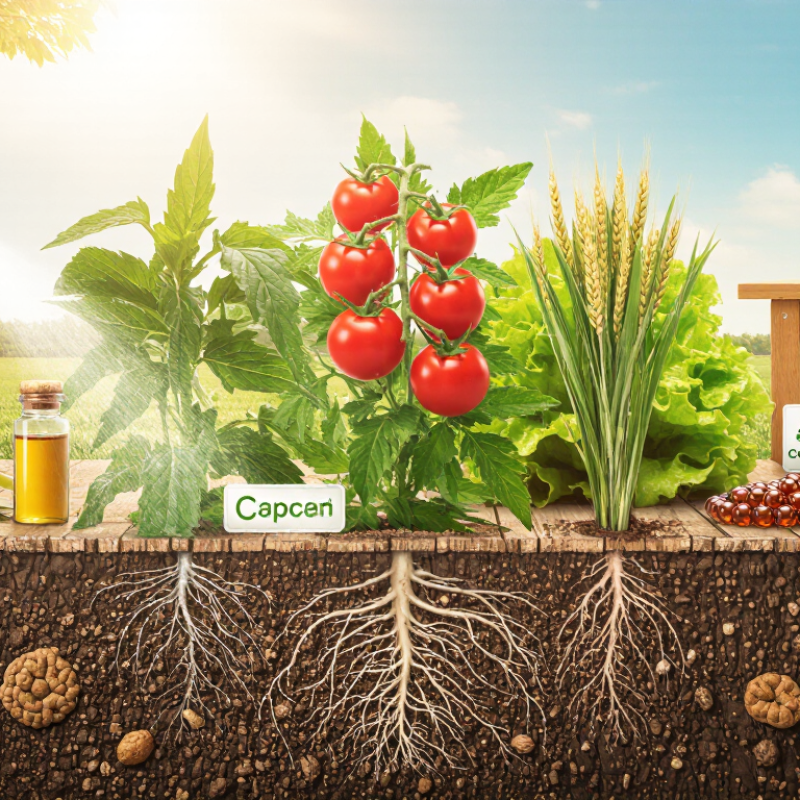
Evidence is promising, but not uniform. Results can change with crop variety, soil texture, application timing, and dosage. A product that improves tomato root growth may perform differently in wheat or lettuce. Therefore, this guide compares the top types using composition, reported functions, field practicality, and evidence quality. The category is not perfectly standardized. Careful interpretation remains essential.
2026 Top Types of Botanical Plant Growth Stimulants

Definition and Role of Botanical Plant Growth Stimulants

2026 Top Types of Botanical Plant Growth Stimulants

Definition and Role of Botanical Plant Growth Stimulants

Botanical plant growth stimulants are plant-derived substances that support natural growth processes. They include seaweed extracts, botanical amino acids, plant polyphenols, and fermented plant materials. Unlike fertilizers, they do not mainly supply large amounts of nutrients. Their role is biological support. They may influence root development, nutrient-use efficiency, enzyme activity, and tolerance to drought or salinity.

Evidence is growing, but it is not perfectly uniform. The European Biostimulant Industry Council describes biostimulants through their function, rather than their raw materials. Field results can change with crop variety, soil texture, application timing, and weather. That detail matters. A product that improves tomato roots in sandy soil may perform modestly in heavy clay.

Market data also shows rising attention. MarketsandMarkets’ 2024 Biostimulants Market report estimated the global market at about USD 3.1 billion in 2024, with continued growth expected through 2029. Allied Market Research reported a different long-term estimate, showing how methodology affects forecasts. These figures indicate commercial momentum, not guaranteed farm results. Professional trials should measure yield, root mass, nutrient uptake, and stress recovery against untreated controls. Visual greenness alone can mislead. Better data comes from repeated field testing across seasons.

Major Sources and Active Compounds in Plant Growth Stimulants

2026 Top Types of Botanical Plant Growth Stimulants

Seaweed extracts remain a widely studied source of botanical growth stimulants. Brown algae can supply alginates, betaines, minerals, and hormone-like compounds. Their effects may include improved root development, stress tolerance, and leaf recovery. Results depend on extraction temperature, crop variety, and application timing. A product is not automatically effective because it comes from the sea.

Plant-based amino acid hydrolysates provide peptides and free amino acids. These compounds may support nitrogen metabolism and help plants respond to drought or transplant shock. Humic and fulvic substances, formed from decomposed organic matter, can improve nutrient availability and root-zone interactions. Their quality varies greatly. Laboratory descriptions do not always predict field performance.

Botanical extracts may also contain natural auxin-like, cytokinin-like, or gibberellin-like compounds. Their concentration is often low and inconsistent. That creates both value and uncertainty. Microbial preparations from compost or fermented plant materials may add useful metabolites, but their performance depends on soil temperature, moisture, and existing biology. Careful growers compare untreated plants, record application rates, and inspect roots rather than trusting leaf color alone. Small trials matter. I would question any claim based on one season or one crop. Independent testing, clear ingredient disclosure, and repeatable field data offer stronger evidence than attractive wording.

2026 Top Types of Botanical Plant Growth Stimulants - Major Sources and Active Compounds in Plant Growth Stimulants

Stimulant Type Major Botanical Source Representative Active Compounds Commonly Associated Plant Responses Typical Application Context Evidence and Practical Notes
Seaweed Extracts Brown, green, and red macroalgae, including Ascophyllum nodosum, Ecklonia maxima, Fucus spp., and Ulva spp. Alginates, laminarins, fucoidans, mannitol, betaines, polyamines, phenolic compounds, minerals, and small quantities of hormone-like compounds Improved root development, nutrient-use efficiency, stress tolerance, seedling vigor, and fruit or grain quality Seed treatment, foliar spray, root drench, and fertigation programs Responses vary substantially with seaweed species, extraction method, concentration, crop, and environmental conditions. Effects are generally biostimulatory rather than a replacement for fertilizers.
Plant Protein Hydrolysates Hydrolyzed proteins from alfalfa, legumes, oilseed crops, and other plant-derived residues Free amino acids, short peptides, nitrogen-containing compounds, and soluble organic carbon Enhanced root growth, recovery from abiotic stress, nutrient assimilation, chlorophyll maintenance, and vegetative development Foliar applications, transplant treatments, and fertigation Enzymatic hydrolysis usually preserves more peptides and amino acids than severe chemical hydrolysis. Product composition depends on the crop source and processing conditions.
Botanical Amino Acid and Peptide Extracts Legume seeds, cereal grains, alfalfa tissues, and other protein-rich plant materials Glutamic acid, glycine, proline, arginine, peptides, and soluble nitrogen fractions Support for nitrogen metabolism, osmotic adjustment, antioxidant activity, and shoot or root recovery after stress Foliar feeding during transplanting, drought, salinity, temperature, or mechanical stress Amino acids may act as metabolic substrates or signaling-related compounds. Agronomic results depend on timing, dose, crop stage, and the plant's existing nutrient status.
Moringa Leaf Extracts Moringa oleifera leaves Zeatin-type cytokinins, phenolic compounds, flavonoids, ascorbate, amino acids, and minerals Potential stimulation of shoot growth, leaf expansion, chlorophyll retention, antioxidant capacity, and yield components Low-concentration foliar sprays and seed or seedling treatments Zeatin content is affected by leaf age, extraction method, and storage. Field performance is less consistent than results from controlled experiments.
Willow Extracts Salix spp. bark and young shoots Salicin and related phenolic glycosides, phenolic acids, flavonoids, and tannins Rooting support, wound-response signaling, antioxidant protection, and possible improvement in early establishment Cutting propagation, transplant establishment, and root-zone treatments Willow extracts are chemically variable. Salicin is a natural precursor associated with salicylic-acid-related responses, but willow extract is not equivalent to a standardized salicylic acid treatment.
Humic and Fulvic Fractions from Plant-Derived Organic Matter Composted plant residues, lignocellulosic materials, peat-like organic matter, and mature composts Humic acids, fulvic acids, carboxyl groups, phenolic groups, and low-molecular-weight organic compounds Improved root architecture, micronutrient complexation, nutrient availability, soil aggregation, and water-retention behavior Soil incorporation, root drench, fertigation, and growing-media applications Chemical composition differs according to feedstock and extraction. Benefits are usually strongest in poor, compacted, saline, or low-organic-matter soils.
Plant-Derived Silicon Extracts Silicon-accumulating plant residues, especially rice husks and cereal straw ash or extracts Soluble monosilicic acid and other plant-available silicon forms Stronger tissues, improved resistance to lodging, and enhanced tolerance to selected biotic and abiotic stresses Root-zone application, soil amendment, and selected foliar programs Silicon availability depends strongly on chemical form and soil pH. Silicon is beneficial for some crops but is not considered essential for all higher plants.
Botanical Phenolic Extracts Green tea, grape skins and seeds, citrus peels, rosemary, and other polyphenol-rich plant materials Flavonoids, phenolic acids, tannins, catechins, anthocyanins, and related antioxidants Modulation of antioxidant defenses, support for stress signaling, delayed oxidative damage, and possible improvements in quality traits Foliar application or use in specialty crop production Concentration is critical because some phenolics can inhibit germination or growth at excessive levels. Extract standardization is necessary for repeatable results.
Plant Essential Oils and Terpenoid Extracts Aromatic plants such as thyme, rosemary, peppermint, citrus, and clove Thymol, carvacrol, menthol, eugenol, limonene, 1,8-cineole, and other terpenes Primarily indirect growth support through pest or pathogen suppression; some compounds may influence germination and stress signaling Integrated pest management, seed treatments, and carefully diluted foliar applications These extracts can be phytotoxic at high concentrations. Their main role is often protective rather than a direct nutrient or growth-stimulant function.
Plant-Based Compost Extracts Aerobically matured compost made from crop residues, green waste, leaves, and other plant biomass Soluble humic substances, organic acids, amino compounds, mineral nutrients, and biologically active metabolites Improved root-zone biological activity, nutrient cycling, soil structure, and plant establishment Soil drench, fertigation, growing-media conditioning, and foliar use where permitted Composition is highly dependent on feedstock, maturity, extraction, aeration, and sanitation. Properly matured material should be used to reduce contamination and phytotoxicity risks.
Botanical Cytokinin-Rich Extracts Young tissues, developing seeds, and meristematic tissues from plants such as maize, coconut, and moringa Zeatin, isopentenyl adenine, kinetin-like compounds, and naturally occurring cytokinin precursors Cell division, shoot branching, delayed leaf senescence, and improved canopy establishment Propagation, nursery production, transplant recovery, and controlled-environment horticulture Cytokinin activity is dose-sensitive and can alter root-to-shoot balance. Extracts should be evaluated for crop-specific compatibility before broad use.

Note: Plant responses to botanical stimulants depend on crop species, growth stage, environmental conditions, application method, extraction process, and dose. These materials generally complement, rather than replace, balanced fertilization, irrigation, and integrated crop management.

Key Types of Botanical Plant Growth Stimulants

2026 Top Types of Botanical Plant Growth Stimulants

Key Types of Botanical Plant Growth Stimulants

Botanical growth stimulants support plant vigor without acting like conventional fertilizers. Seaweed extracts are widely used for root development, stress tolerance, and leaf recovery. Protein hydrolysates provide plant-derived peptides and amino acids. Humic and fulvic substances can improve nutrient availability and soil structure. Chitosan-based materials may strengthen natural defense responses. These categories differ greatly in chemistry and field performance.

The European Biostimulant Industry Council identifies microbial products, seaweed extracts, humic substances, and protein hydrolysates as major biostimulant groups. MarketsandMarkets reported that the global biostimulants market could grow from about USD 3.1 billion in 2023 to USD 4.9 billion by 2028. That growth reflects stronger demand for efficient inputs under heat, drought, and restricted fertilizer use. Still, market growth does not prove equal results in every crop. Soil biology, application timing, water quality, and cultivar choice can change outcomes. I have found that a simple greenhouse test often reveals more than a dramatic product claim. The evidence remains uneven.

Tips: Match the stimulant to the stress. Use seaweed extracts after transplanting, and test humic materials in poor soils. Record root length, leaf color, and harvest weight. Keep untreated plots for comparison. Do not expect instant results. Sunset timing can also matter. Read the technical label, check active content, and repeat trials across seasons.

How Botanical Stimulants Affect Plant Growth and Development

Botanical plant growth stimulants influence development through several biological pathways. Seaweed extracts may supply polysaccharides, betaines, and hormone-like compounds. These materials can encourage lateral roots, improve leaf expansion, and support recovery after drought or salinity.

Protein hydrolysates provide peptides and amino acids that may improve nitrogen assimilation and enzyme activity.

Dose matters.

Humic and fulvic substances can increase root-zone nutrient availability and support finer root development. Some botanical extracts also influence stomatal behavior, chlorophyll formation, and antioxidant defenses.

In practical greenhouse trials, treated plants often show darker leaves and denser roots, but visual strength does not always mean higher yield.

Results vary.

Crop species, application timing, irrigation, and soil conditions can change the response substantially.

A 2023 review in Horticulturae reported that biostimulant effects were generally stronger under moderate stress than under ideal growing conditions.

That distinction is easy to miss.

Commercial interest is expanding. The MarketsandMarkets Biostimulants Market report estimated global revenue at approximately US$3.5 billion in 2023 and projected more than US$5.5 billion by 2028.

Market growth does not prove field performance. Independent trials should measure root mass, marketable yield, nutrient-use efficiency, and stress recovery together.

Application records also matter.

A single untreated comparison is weak evidence, especially in variable soils.

More careful testing is still needed, because some botanical products perform well in controlled environments but inconsistently across farms.

Selection, Application, and Safety Considerations for 2026

2026 Top Types of Botanical Plant Growth Stimulants

Selection, Application, and Safety Considerations for 2026

Botanical growth stimulants include seaweed extracts, humic substances, protein hydrolysates, beneficial microbes, and plant-based biostimulants. Each type supports different needs. Seaweed extracts may assist recovery after heat or transplanting. Humic substances can improve nutrient-use conditions in suitable soils. Microbial products require living organisms and careful storage. Selection should match the crop, growth stage, soil condition, and documented product function.

Read the full label before mixing or spraying. Check application rates, water quality, tank compatibility, and re-entry requirements. A small test area is wise, especially on young leaves or stressed plants. Apply during cooler hours, with clean equipment and enough coverage. Keep records of weather, dosage, crop response, and harvest timing. These notes make later decisions more reliable.

Safety is not optional. Use products registered or permitted by the relevant agricultural authority. Wear the recommended gloves, eye protection, and protective clothing. Do not assume a natural ingredient is harmless. Some extracts can burn foliage, irritate skin, or disrupt beneficial organisms. Avoid spraying near waterways unless the label permits it. No program is perfect. In field work, I have seen promising treatments fail after excessive heat, poor mixing, or unrealistic expectations. Independent trials and professional advice remain valuable, particularly for food crops and sensitive cultivars.

2026 Top Types of Botanical Plant Growth Stimulants: Selection, Application, and Safety

The chart presents representative foliar-use concentration ranges commonly found in technical guidance and research for natural plant biostimulant categories. Actual rates vary by crop, formulation, growth stage, water quality, and local regulations. Always follow the product label, conduct a small compatibility test, and avoid spraying during heat, drought, or strong sunlight.

FAQS

What are botanical plant growth stimulants?

They are plant-derived substances that support natural growth processes. Examples include seaweed extracts, botanical amino acids, polyphenols, and fermented plant materials.

Are botanical growth stimulants fertilizers?

Not mainly. Fertilizers supply nutrients, while stimulants may support roots, enzyme activity, nutrient use, and stress tolerance.

What benefits may these products provide?

They may encourage root development, improve nutrient-use efficiency, and support recovery from drought, salinity, heat, or transplanting.

Which types are commonly used in 2026?

Common types include seaweed extracts, humic substances, protein hydrolysates, beneficial microbes, and plant-based formulations.

How should growers choose a product?

Match the product with the crop, growth stage, soil condition, and documented function. One result cannot fit every field.

Can the same product work everywhere?

Not necessarily. Soil texture, crop variety, weather, timing, and application methods can change performance. Results can vary.

How should these products be applied?

Read the label carefully. Check dosage, water quality, mixing compatibility, coverage, and re-entry instructions before spraying.

What practical steps improve application results?

Test a small area first. Apply during cooler hours with clean equipment. Record weather, dosage, crop response, and harvest timing.

Are natural botanical products always safe?

No. Some extracts may burn leaves, irritate skin, or affect beneficial organisms. Natural does not mean harmless.

How can growers judge product effectiveness?

Compare treated plots with untreated controls across seasons. Measure yield, root mass, nutrient uptake, and stress recovery, not just leaf greenness.

Conclusion

Botanical Plant Growth Stimulants are naturally derived materials that support healthy plant development by improving nutrient use, root activity, stress tolerance, and overall vitality. This article explains their role in modern crop and garden management, highlighting common sources such as seaweed, plant extracts, compost-based materials, and beneficial botanical compounds. It also introduces key active substances, including natural hormones, amino acids, minerals, polysaccharides, and phenolic compounds that may influence plant growth and development.

The discussion covers major types of botanical stimulants and how they can affect seed germination, root formation, leaf expansion, flowering, fruit development, and recovery from environmental stress. For 2026, proper selection should consider crop type, growth stage, soil conditions, formulation quality, and application method. Responsible use requires following product directions, applying suitable rates, avoiding unnecessary mixtures, protecting the environment, and observing relevant agricultural safety standards.

Emily

Emily

Emily is a dedicated marketing professional with a deep understanding of our company's products and services. With a keen eye for detail and a passion for driving results, she plays a vital role in shaping our brand's online presence. Emily regularly updates our website with insightful blog......