_1762508637542.webp)
1. Executive Industry Overview: The Global Shift to Natural Food Colorings
The global food and beverage manufacturing sector is experiencing an unprecedented structural transformation. Driven by stringent regulatory bans on synthetic petroleum-derived dyes—such as FD&C Red No. 40, Yellow No. 5 (Tartrazine), and Titanium Dioxide (E171)—food scientists and corporate procurement teams are urgently tasked with reformulating products using Natural Food Colorings.
According to market intelligence data from 2025–2026, over 74% of global consumers inspect product ingredient lists for artificial additives before purchasing. This widespread adoption of "Clean Label" standards has shifted botanical pigments from a niche marketing advantage into a fundamental prerequisite for market access across North America, the European Union, and the Asia-Pacific region.
💡 Information Gain Insight for Formulators
Unlike synthetic dyes, plant-derived colorants possess inherent bioactive polyphenols, flavonoids, and chlorophyll structures. Replacing synthetic colorants with standardized botanical extracts from ZAC Biotech Co., Ltd. provides dual functionality: delivering rich visual appeal while enhancing the product’s inherent antioxidant stabilization profile.
However, replacing artificial dyes with natural alternatives presents technical challenges. Natural colorants are subject to chromophore degradation under ultra-high-temperature (UHT) processing, pH fluctuations in acidic matrixes, photo-oxidation under retail lighting, and oxidation during shelf life. Successful implementation requires detailed knowledge of pigment chemistry, carrier matrix interaction, and standardized botanical extraction techniques.
2. Flagship Natural Food Colorings & Botanical Extract Portfolio
At ZAC Biotech Co., Ltd., we utilize 28+ years of botanical extraction expertise to supply high-purity, batch-consistent natural colorant matrices derived from sustainable agricultural bases. Our standardized plant extracts are processed in our state-of-the-art GMP facility using only purified water and food-grade ethanol.
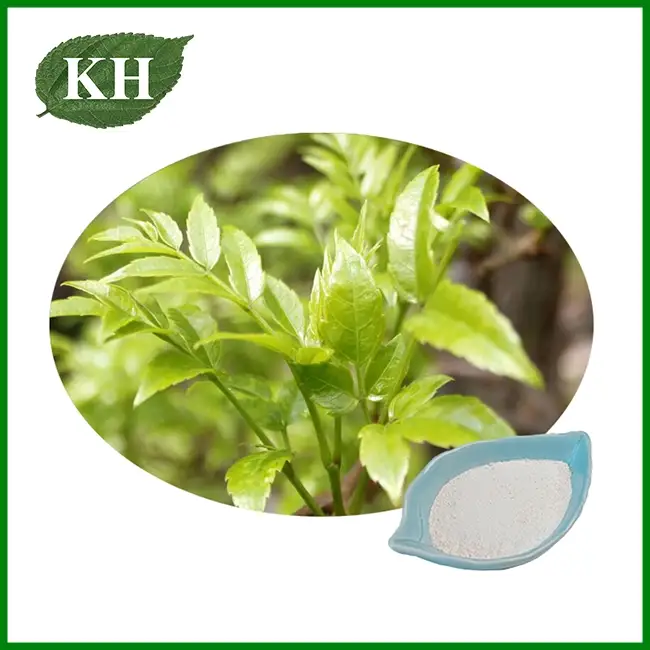
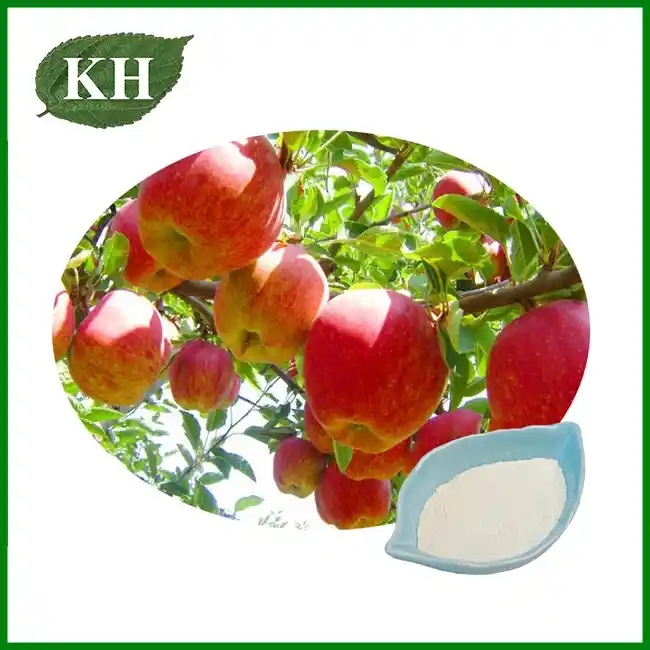
_1779935700347.webp)

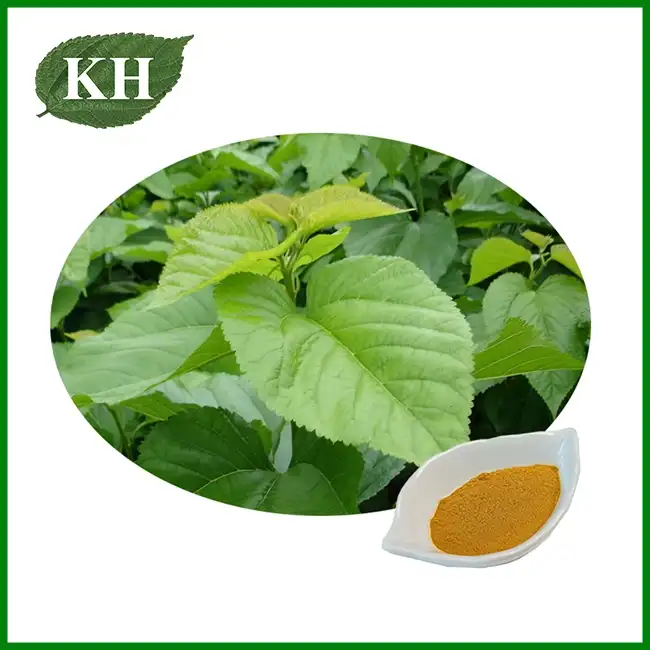
_1779935733082.webp)
3. Technical Formulation & Performance Comparison Matrix
Formulating with natural food colorings requires an understanding of how processing parameters affect color stability. The table below outlines key technical specifications for R&D formulators evaluating plant-derived pigments.
| Botanical Ingredient | Primary Chromophore | Target Hue Range | pH Stability Range | Heat Tolerance (°C) | Water / Oil Solubility | Key Application Sectors |
|---|---|---|---|---|---|---|
| Vine Tea Extract | Dihydromyricetin / Flavonoids | Golden Yellow to Brown | pH 3.0 – 7.5 | Up to 140°C (HTST) | Water-Dispersible | Functional RTD Beverages, Gummies |
| Apple Root Bark Extract | Phloridzin Dihydrochalcone | Beige to Golden Ochre | pH 2.5 – 6.5 | Up to 120°C | Water & Ethanol Soluble | Confectionery, Softgels, Tablets |
| Onion Extract | Quercetin Polyphenols | Vibrant Bright Yellow | pH 3.5 – 8.0 | Up to 135°C | Water Soluble | Savory Foods, Sauces, Pet Care |
| Polygonum Extract | Resveratrol & Stilbenes | Auburn to Warm Red-Brown | pH 3.0 – 7.0 | Up to 125°C | Ethanol & Hydro-alcoholic | Plant-Based Meats, Syrups, Capsules |
| Mulberry Leaf Powder | Natural Chlorophyllin | Olive to Emerald Green | pH 5.5 – 8.5 | Up to 100°C | Water Dispersible | Nutritional Powders, Beverage Mixes |
| Lespedeza Extract | Flavonoid Glycosides | Amber to Chestnut Brown | pH 3.0 – 7.0 | Up to 115°C | Water & Glycerin Soluble | Botanical Elixirs, Liquid Drops |
4. Future Procurement Trends in Natural Food Colorings (2026–2030)
As global supply chains adapt to evolving food regulations and consumer expectations, procurement directors must anticipate several long-term market trends:
Trend A: Demand for Dual-Functionality (Color + Active Health Benefits)
Procurement teams are moving away from single-purpose ingredients. Modern formulators favor multi-functional ingredients like Vine Tea Extract and Onion Extract, which provide both natural color enhancement and active health properties (e.g., high antioxidant activity, liver support, or metabolic regulation). This dual functionality simplifies ingredient labels and reduces raw material inventories.
Trend B: Advanced Micro-Encapsulation & Thermal Stabilization
Micro-encapsulation technologies using natural polysaccharide carriers (such as spray-dried maltodextrin or acacia gum) protect sensitive natural chromophores from thermal breakdown during high-temperature extrusion, baking, and retort sterilization. ZAC Biotech Co., Ltd. offers customized spray-drying options to optimize thermal performance.
Trend C: Strict Heavy Metal & Pesticide Residue Benchmarks
Regulatory agencies worldwide have tightened thresholds for contaminants in natural plant colorants (notably Regulation EU 2023/915 and FDA guidance). Buyers require complete supply chain transparency and analytical documentation (HPLC, GC-MS, ICP-MS testing) to ensure compliance for lead, arsenic, cadmium, mercury, and over 400 pesticide residues.
Trend D: Zero-Dust Custom Premix Solutions
To streamline automated manufacturing lines, food producers increasingly request pre-blended, dust-free color premixes. ZAC Biotech Co., Ltd. produces customized, standardized premixes that combine natural pigments with vitamins, minerals, and carriers for direct addition to production lines.
5. Global Industry Landscape & Market Dynamics
The global market for natural food colorings is projected to surpass $3.2 billion by 2028, expanding at a CAGR of 8.4%. Regional dynamics highlight a clear trajectory:
- European Union: The EFSA's ongoing re-evaluation of synthetic food additives has accelerated the transition to botanical colorants across all food categories.
- North America: State-level legislation, such as the California Food Safety Act, has placed increased pressure on food manufacturers to eliminate synthetic dyes nationwide.
- Asia-Pacific & Latin America: Rapid urbanization and rising consumer awareness are driving clean-label reformulations in functional beverages, confectionery, and dairy alternatives.
To maintain a reliable supply chain amid changing weather patterns and market fluctuations, B2B buyers are establishing strategic partnerships with vertically integrated botanical manufacturers. Facilities operating proprietary cultivation bases—such as ZAC Biotech Co., Ltd.’s high-altitude farms—ensure long-term price stability, consistent quality, and secure supply capacity.
6. Enterprise Advantages & Manufacturing Excellence: ZAC Biotech Co., Ltd.
Established in 1996 and headquartered in Changsha, Hunan, China, ZAC Biotech Co., Ltd. is a leading manufacturer of botanical plant extracts, natural food colorings, herbal powders, and custom premix formulations. As an active council member of the Hunan Botanical Extract Association (HNBEA), we operate with an uncompromising commitment to international standards.

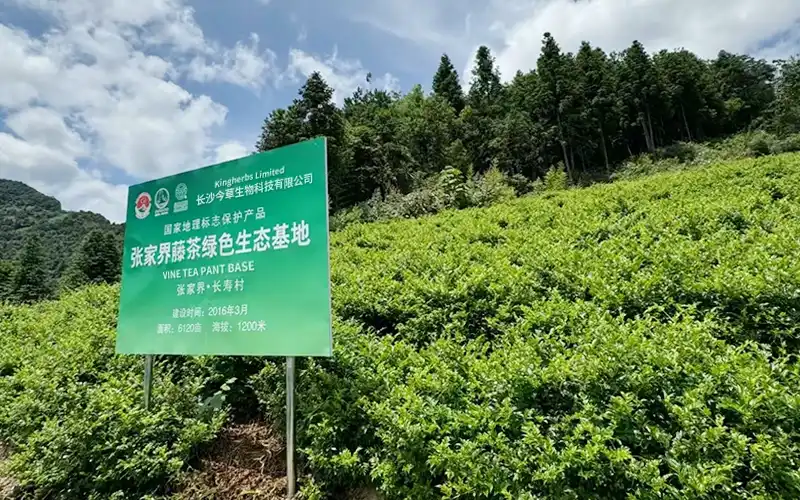
1. Proprietary Cultivation & Full Traceability
Our primary cultivation base is located in Zhangjiajie, Hunan, at an altitude of 1,200 meters. This pristine mountain environment provides optimal conditions for cultivating wild Vine Tea and botanical raw materials with high secondary metabolite concentration and full seed-to-extract traceability.
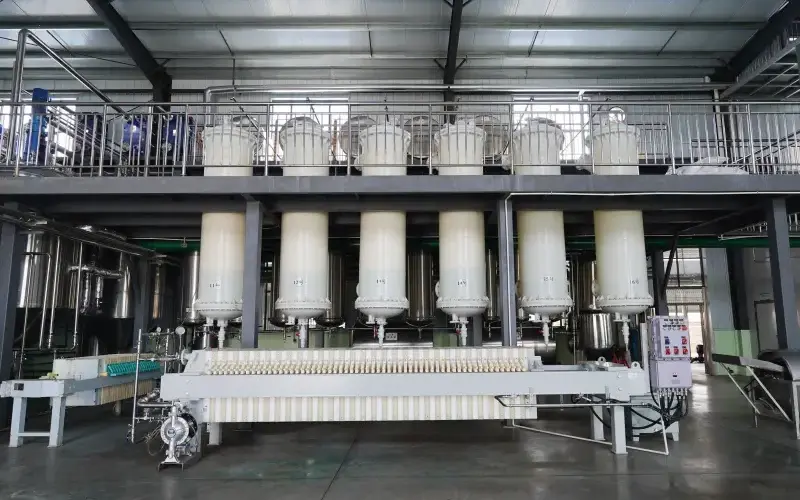
2. Advanced GMP Factory (200T+ Capacity)
Our state-of-the-art facility features two automated stainless-steel extraction lines operating within a cleanroom workshop. Utilizing only purified water and food-grade ethanol, we deliver an annual output exceeding 200 metric tons, supporting large-scale global B2B procurement requirements.
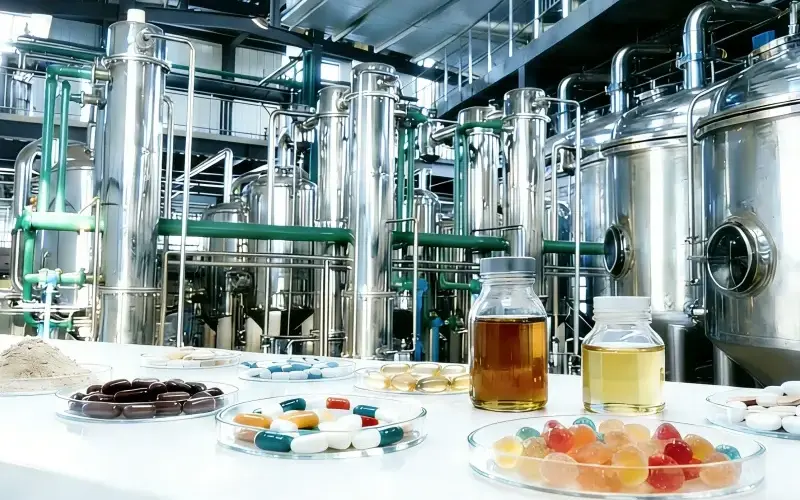
3. PhD-Led R&D & Custom OEM Premixes
Our R&D team, led by senior PhD scientists, offers customized particle sizing, carrier coating, liquid-to-powder conversion, and complex premix formulation. We support client product development from benchtop sampling to full commercial-scale production.
7. B2B Procurement FAQ: Natural Food Colorings & Botanical Extracts
Below are answers to frequently asked technical and commercial queries from food scientists, quality assurance managers, and global procurement specialists: