
Herb Vegetable Fruit Powders are moving from niche ingredients into everyday foods, drinks, and nutrition products. Their appeal is practical: a spoonful of beetroot powder can color a smoothie, while spinach powder can fit into a compact ingredient blend. Yet powder is not a shortcut to a balanced diet. Processing, storage, and serving size all affect what ends up in the finished product.
The World Health Organization’s 2023 guideline recommends at least 400 grams of fruits and vegetables daily for people over ten. That benchmark gives buyers useful context, but it does not mean a powder serving equals fresh produce. Nutrition scientist Dr. Dariush Mozaffarian’s food-is-medicine research points to a careful principle: food products should support, not replace, a varied diet. That distinction matters.
This Top 10 guide compares suppliers on practical evidence: ingredient traceability, product specifications, batch consistency, testing information, and manufacturing transparency. These details matter. A vivid green sample may look impressive, but color alone cannot confirm quality or nutrient content. Reported claims also deserve scrutiny; supplier data can vary, and not every comparison is perfectly like-for-like. That is worth remembering.
The companies featured serve different needs, from bulk food manufacturing to specialized formulations. Use the list as a starting point, then request current specifications and independent test documentation before choosing a partner. A good supplier should answer clearly. A polished brochure is not enough.
What Are Herb, Vegetable, and Fruit Powders?
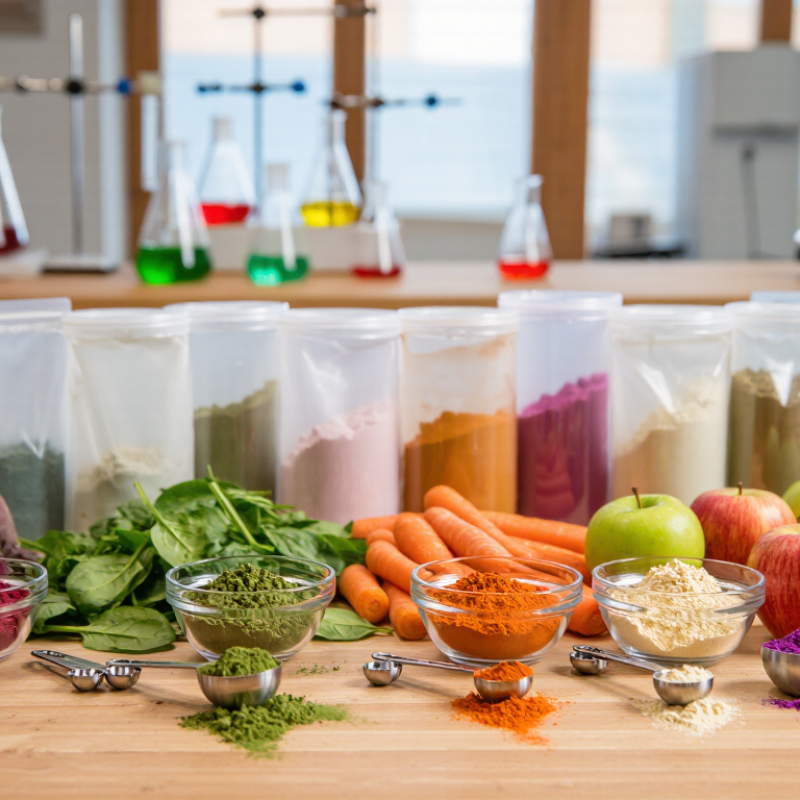
Herb, vegetable, and fruit powders are made by removing moisture from plant ingredients and milling them into fine or coarse particles. Depending on the ingredient, drying may use air, heat, or freeze-drying. The method can affect color, aroma, solubility, and heat-sensitive nutrients. Powders are not identical to their fresh counterparts.
Herb powders, such as basil or parsley, often contribute concentrated aroma and savory flavor. Vegetable powders, including beet or spinach, can add color and earthy notes to soups, sauces, and dry mixes. Fruit powders may bring tartness or sweetness to drinks, baked goods, and snacks. A spoonful of beet powder can tint a batter deep red, while a coarse herb powder may leave visible green flecks. Small details matter.
Texture and moisture deserve attention. A fine powder may blend smoothly, while larger particles can settle or feel gritty. Color alone is not a reliable measure of quality; natural variation occurs between harvests and processing batches. Check ingredient descriptions and handling guidance, and consider how the powder performs in the intended recipe. Processing can change flavor and nutrient levels, so claims about matching fresh produce should be treated carefully. Even experienced cooks sometimes need to adjust the amount after a first trial.
Top 10 Herb Vegetable Fruit Powder Suppliers Worldwide - What Are Herb, Vegetable, and Fruit Powders?
Herb, vegetable, and fruit powders are dried plant ingredients milled into powder. The locations below are established agricultural sourcing regions, not a ranked list of individual suppliers. Crop availability, specifications, and processing methods vary by producer and season.
| No. | Sourcing Country or Region | Examples of Common Powder Crops | Typical Ingredient Uses | Procurement Checks |
|---|---|---|---|---|
| 1 | China | Garlic, ginger, spinach, goji berry | Seasoning blends, soups, beverages, nutrition and food mixes | Confirm botanical identity, pesticide-residue results, moisture, microbiological limits, and country of origin. |
| 2 | India | Turmeric, ginger, amla, moringa leaf | Spice blends, beverage mixes, supplements, and fortified foods | For turmeric, check curcuminoid specifications where relevant; verify purity, contaminants, and batch traceability. |
| 3 | United States | Apple, blueberry, cranberry, kale | Smoothies, snack products, bakery mixes, and beverage formulations | Check ingredient composition, added carriers or sugars, color and flavor requirements, and allergen controls. |
| 4 | Brazil | Açaí, acerola, guava | Fruit beverages, smoothie blends, confectionery, and food supplements | Confirm the fruit species, pulp content, drying method, storage conditions, and relevant quality documentation. |
| 5 | Turkey | Tomato, red pepper, grape | Sauces, soups, spice blends, snacks, and bakery products | Specify color, flavor, particle size, moisture, and whether the powder is made from whole fruit or a concentrate. |
| 6 | Poland | Beetroot, apple, sour cherry, blackcurrant | Drink mixes, confectionery, dairy products, and natural-color formulations | Check variety and ingredient composition, color stability, moisture, and whether carriers are used. |
| 7 | Spain | Citrus, tomato, red pepper | Seasonings, soups, sauces, bakery products, and beverage mixes | Confirm peel-to-pulp composition for citrus ingredients, particle size, flavor profile, and intended food application. |
| 8 | Egypt | Hibiscus, mint, garlic, onion | Herbal infusions, spice mixes, savory foods, and beverage products | Check botanical identity, foreign-matter controls, drying and storage conditions, and microbiological specifications. |
| 9 | Thailand | Mango, pineapple, coconut | Fruit drinks, desserts, confectionery, snack coatings, and smoothie blends | Verify fruit content, added sweeteners or carriers, moisture, solubility, and flavor and color expectations. |
| 10 | Vietnam | Dragon fruit, mango, passion fruit, turmeric | Beverage mixes, fruit snacks, confectionery, and food ingredient blends | Confirm the exact fruit or plant part, processing method, ingredient declaration, and batch-specific test results. |
FAQS
Plant ingredients are dried with air, heat, or freeze-drying, then milled. The method can affect color, aroma, texture, and heat-sensitive nutrients.
Herb powders add concentrated savory aromas. Vegetable powders can bring color and earthy notes, while fruit powders add sweetness or tartness.
Not exactly. Processing can change flavor and nutrient levels, so matching fresh produce should not be assumed.
Fine particles may blend smoothly into soup. Coarser particles can settle or feel gritty. Test it in the actual recipe.
No. Natural color varies by harvest and processing batch. Appearance alone proves little.
Request batch-specific test reports for identity, moisture, microbial quality, and relevant contaminants. Check that report numbers match the sample and shipment.
Poor handling can let moisture enter the powder. Ask about storage conditions, packaging barriers, and expected shelf life.
Try samples in the intended food or drink. Water tests may hide clumping or earthy notes. A specification alone may not predict performance.
Not always. Ask how suppliers manage seasonal changes in color, aroma, and particle size. I still find this easy to overlook.
Conclusion
Herb Vegetable Fruit Powders are made by drying and finely milling herbs, vegetables, and fruits into versatile ingredients for foods, beverages, supplements, and other products. This overview explains how suppliers are assessed, considering factors such as product range, ingredient sourcing, processing capabilities, consistency, quality controls, and customer support. It also introduces ten suppliers from around the world without treating any single provider as the right choice for every buyer.
Common products include single-ingredient powders and blended formulations, produced through methods such as air-drying, spray-drying, or freeze-drying. Quality standards may address identity, purity, microbiological safety, contaminant testing, traceability, and documentation. When choosing a supplier, buyers should compare specifications, available certifications, production capacity, minimum order quantities, pricing, lead times, and communication practices. Matching these considerations to the intended application and required level of quality can help buyers make a practical, informed decision.