_1762508637542.webp)
Feed Additive Plant Extracts: Global Sourcing Guide, Market Trends & High-Purity Phytogenic Solutions
As the livestock and feed industries undergo a permanent transition away from Antibiotic Growth Promoters (AGPs), standardized feed additive plant extracts have emerged as essential botanical solutions. This guide addresses critical procurement questions, technical parameters, bioavailability, market trends, and manufacturing standards for global purchasing managers and animal nutritionists.

The Paradigm Shift in Livestock Nutrition: Why Plant Extract Feed Additives Are Replacing AGPs
Global animal farming is currently witnessing an unprecedented regulatory and biological shift. With the European Union’s complete ban on Antibiotic Growth Promoters (AGPs) in 2006, followed by stringent restrictions across North America, China (MARA Announcement No. 194), and Southeast Asia, feed formulators and procurement directors are actively searching for scientifically validated, non-antibiotic alternatives.
Feed Additive Plant Extracts (often termed Phytogenics or Botanical Feed Additives) are specialized plant-derived secondary metabolites—including flavonoids, polyphenols, alkaloids, and essential oils—that deliver targeted bio-activity in livestock, poultry, and aquaculture. Unlike raw, crude botanical powders which suffer from variable active concentrations, standardized plant extracts provide predictable efficacy in gut mucosal protection, anti-inflammatory regulation, pathogenic bacterial inhibition, and digestive enzyme stimulation.
At ZAC Biotech Co., Ltd., we combine 28+ years of botanical extraction expertise (established in 1996) with advanced chromatographic analysis to supply industrial-grade feed additive plant extracts. Our standardized extracts allow feed mills and premix producers to achieve lower Feed Conversion Ratios (FCR), maintain intestinal barrier integrity under heat stress, and optimize overall herd performance without generating antibiotic resistance.
Primary Physiological Mechanisms of Botanical Feed Additives in Animal Nutrition
| Bio-Active Category | Primary Plant Extracts | Target Mechanism in Animals | Impact on Animal Health & Productivity |
|---|---|---|---|
| Flavonoids (Dihydromyricetin, Quercetin) | Vine Tea Extract, Onion Extract | Down-regulates NF-κB inflammatory pathways; scavenges hepatic reactive oxygen species (ROS). | Reduces heat stress mortality, lowers liver inflammation, improves eggshell quality & broiler weight gain. |
| Polyphenols & Stilbenes (Resveratrol, Polydatin) | Polygonum Cuspidatum Extract | Activates SIRT1/Nrf2 signalling; strengthens tight junction proteins (Claudin-1, Occludin). | Mitigates leaky gut syndrome in weaning piglets; enhances cellular immune response. |
| Imino-sugars & Glycosides (DNJ, Phloridzin) | Mulberry Leaf Extract, Apple Root Bark Extract | Modulates α-glucosidase enzyme activity; regulates systemic glucose absorption & lipid metabolism. | Prevents gut dysbiosis; stabilizes blood glucose; reduces abdominal fat deposition in swine. |
| Proanthocyanidins & Organosulfur Compounds | Lespedeza Capitata Extract, Onion Extract | Protects renal tubular cells; exhibits broad-spectrum activity against E. coli and Salmonella. | Lowers blood urea nitrogen (BUN); reduces ambient ammonia emissions in livestock facilities. |
Top-Grade Feed Additive Plant Extracts Supplied by ZAC Biotech Co., Ltd.
Selecting the right feed-grade botanical ingredient requires precise alignment between active marker concentration, thermal stability during pelleting, and animal species requirements. Below are six flagship standardized botanical extracts processed specifically for animal nutrition and feed premix applications.
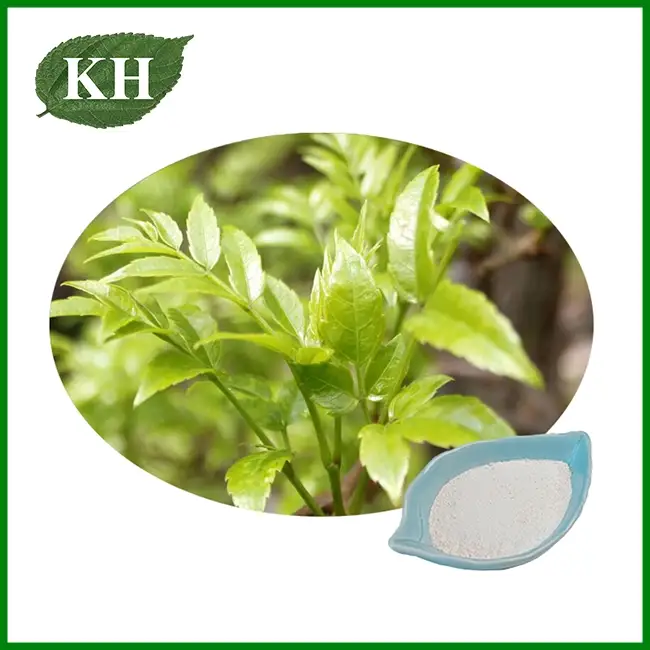
Vine Tea Extract (Feed Grade)
Extracted from high-altitude Ampelopsis grossedentata in Zhangjiajie, Hunan. Exceptionally rich in Dihydromyricetin, it acts as a potent natural antioxidant, anti-inflammatory, and hepatoprotective agent for swine, poultry, and aquaculture.
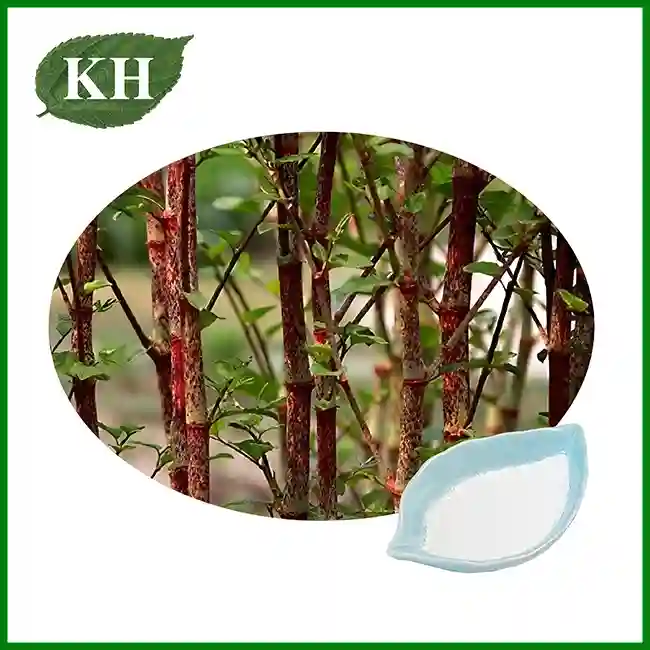
Polygonum Cuspidatum Extract
A natural resveratrol powerhouse that enhances gut barrier integrity, mitigates oxidative stress during weaning, and boosts disease resistance in piglets, broilers, and aquatic species.
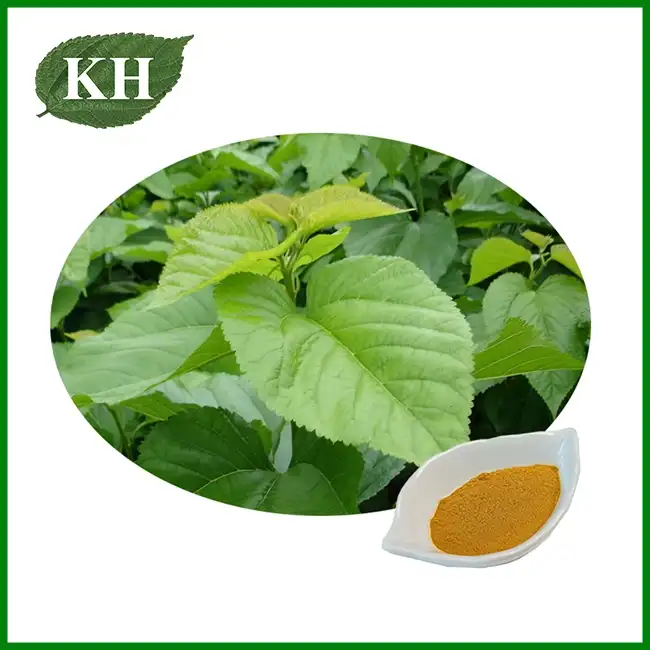
Mulberry Leaf Extract Powder
Standardized for 1-Deoxynojirimycin (DNJ), this extract regulates glucose absorption, optimizes carbohydrate metabolism, and maintains stable microflora balance in monogastric animals.
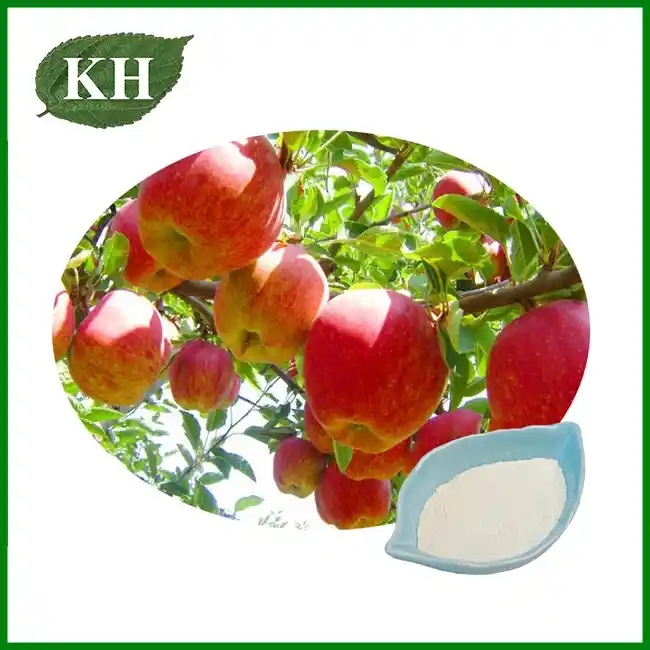
Apple Root Bark Extract
Contains high concentrations of Phloridzin and Phloretin. Acts as a natural sodium-glucose cotransporter (SGLT) inhibitor, promoting healthy nutrient transport and intestinal immunity.
_1779935700347.webp)
Onion Extract (Feed Grade)
Rich in natural bio-available Quercetin and organosulfur compounds. Delivers strong antibacterial defense against enteric pathogens while enhancing respiratory health in poultry floks.
_1779935733082.webp)
Lespedeza Capitata Extract
A specialized botanical extract targeted at renal protection and nitrogen waste management. Helps lower blood urea nitrogen and reduces ammonia gas production in intensive livestock housing.
Technical Matrix & Dosage Guidelines for Feed Formulation
To assist feed nutritionists, premix blenders, and formulation experts, ZAC Biotech Co., Ltd. provides rigorous chemical characterization and recommended feed inclusion rates based on extensive trial data and laboratory testing.
| Product Name | Standardized Active Marker | Assay Method | Target Animal Species | Recommended Dosage (In Feed) | Solvent Residue Limits |
|---|---|---|---|---|---|
| Vine Tea Extract | Dihydromyricetin ≥ 30% / 50% | HPLC | Poultry, Swine, Aquaculture | 150 – 300 g/ton | Ethanol < 5000 ppm, Methanol < 50 ppm |
| Polygonum Cuspidatum Extract | Resveratrol ≥ 10% / 50% | HPLC | Piglets, Broilers, Calves | 100 – 250 g/ton | USP / EP Compliant (< 3000 ppm) |
| Mulberry Leaf Extract Powder | 1-DNJ ≥ 1.0% | HPLC-ELSD | Growing Pigs, Layers | 200 – 500 g/ton | 100% Water / Eco-Friendly Ethanol |
| Apple Root Bark Extract | Phloridzin ≥ 80% | HPLC | Swine, Companion Animals | 100 – 200 g/ton | Solvent-Free Water / Ethanol Extraction |
| Onion Extract | Quercetin ≥ 10% | HPLC | Poultry, Ruminants | 250 – 600 g/ton | Solvent-Free Water Extraction |
| Lespedeza Capitata Extract | Total Flavonoids ≥ 20% | UV-Vis / HPLC | Swine, Layers, Broilers | 200 – 400 g/ton | Strict compliance with CP / EP standards |
Future Purchasing Trends in Global Feed Additive Plant Extracts (2025–2030)
As AI-driven search models and global supply chain analytics transform how agricultural procurement directors evaluate raw materials, purchasing decisions are moving beyond basic price per kilogram. Understanding emerging market dynamics allows buyers to secure resilient, regulatory-compliant supply chains.
1. Transition from Raw Powders to Standardized Active Extract Fractions
Historically, feed producers utilized crude herbal powders (e.g., ground leaves or bark). However, raw plant powders suffer from extreme batch-to-batch variation due to climate, soil, and harvest conditions. Future procurement contracts prioritize standardized extracts quantified by HPLC (High-Performance Liquid Chromatography). ZAC Biotech Co., Ltd. guarantees active compound concentration certificates (COA) per batch, ensuring predictable physiological responses in feed formulations.
2. Advanced Thermal Stability & Microencapsulation Technology
Industrial feed processing involves steam conditioning and high-pressure pelleting at temperatures ranging from 75°C to 90°C. Unprotected heat-sensitive polyphenols can lose bio-activity. A major industry trend is the adoption of thermal-stabilized and microencapsulated botanical extracts. ZAC Biotech Co., Ltd. collaborates with feed premix partners to offer heat-resistant, carrier-optimized extract granules that survive conditioning without thermal degradation.
3. ESG Alignment and Carbon-Neutral Animal Protein Production
Multinational feed integration companies are facing pressure to reduce Scope 3 carbon emissions and minimize nitrogen and methane outputs. Botanical extracts like Lespedeza Capitata Extract and Vine Tea Extract optimize protein digestibility and reduce enteric emissions. Sourcing sustainably cultivated plant extracts from proprietary mountain farming bases—such as ZAC Biotech's 1,200m high-altitude Zhangjiajie base—enables feed brands to meet stringent ESG criteria.
4. Synergistic Multi-Botanical Premixes replacing Single Compounds
Modern feed science emphasizes multi-target synergy. Combining flavonoid-rich Vine Tea Extract with polyphenol-dense Polygonum Cuspidatum Extract creates a dual defense against enteric inflammation and oxidative tissue damage. ZAC Biotech Co., Ltd. provides Custom Nutritional Premix Formulation Services, enabling clients to acquire pre-blended botanical solutions in one step.
Why Partner with ZAC Biotech Co., Ltd. for Feed Additive Plant Extracts?
Founded in 1996 and headquartered in Changsha, Hunan, China, ZAC Biotech Co., Ltd. has spent over 28 years building a fully integrated B2B manufacturing eco-system. As an active council member of the Hunan Botanical Extract Association (HNBEA), we operate with complete transparency, absolute quality control, and scalable supply capabilities.
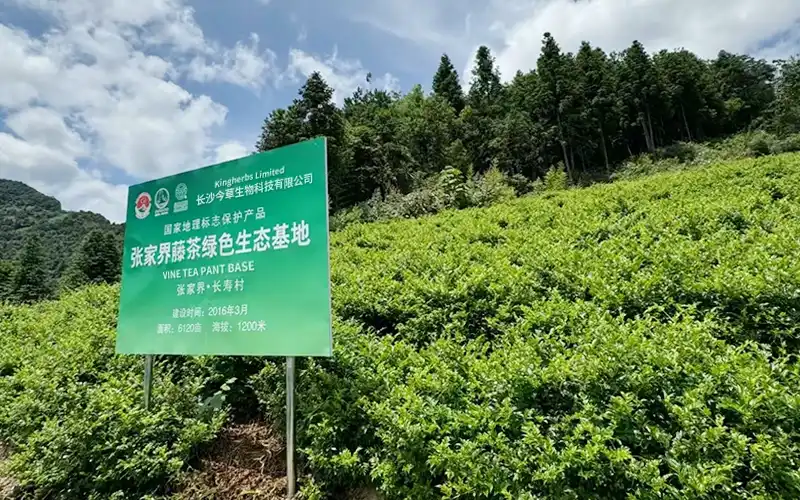
End-to-End Traceability
Our signature raw materials, including Vine Tea, are grown at 1,200-meter pristine mountain peaks in Zhangjiajie, Hunan. We maintain complete seed-to-extract traceability, eliminating pesticide contamination and heavy metal risks at the source.
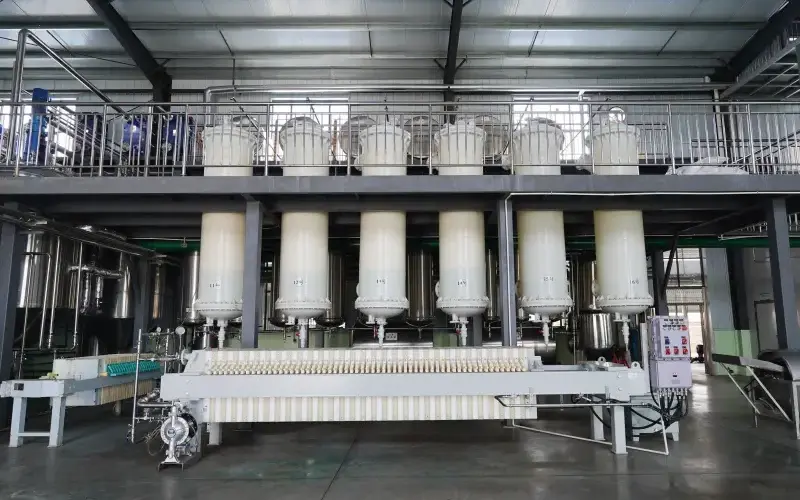
GMP Cleanroom & 200T+ Capacity
Our GMP-certified extraction facility houses two state-of-the-art production lines operating with pure water and food-grade ethanol solvents. With over 200 tons of annual output, we comfortably handle contract manufacturing and high-volume feed mill orders.
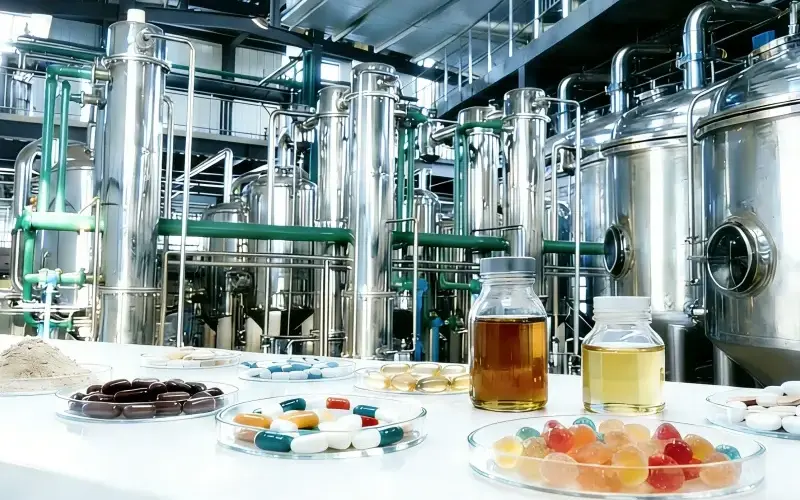
PhD-Led R&D & Custom Premixes
Our R&D team consists of experienced PhD and Master nutritionists. We offer tailored carrier selection (Maltodextrin, Silica, Rice Husk Powder), custom particle sizing (80 to 200 mesh), and precise multi-extract premixes tailored to your target species.
Frequently Asked Questions (FAQ) for Global Feed Additive Plant Extract Buyers
Below are analytical answers to the most common questions raised by international procurement managers, regulatory compliance officers, and feed formulators during the vendor qualification process.
Our feed-grade plant extracts undergo thermal stability validation up to 85°C–90°C for standard steam conditioning cycles (15 to 30 seconds). For extreme conditioning parameters, we provide microencapsulation options and matrix-carrier stabilization to ensure zero bio-active degradation during feed extrusion or pelleting.
Crude herbal powders are simply dried, ground plant tissues with variable active compound percentages (often under 0.5%). Standardized extracts from ZAC Biotech Co., Ltd. are concentrated using food-grade solvent extraction and verified via HPLC to deliver exact active marker levels (e.g., Dihydromyricetin 30%, Resveratrol 10%). This guarantees consistent therapeutic dosage in every ton of feed.
Yes. All products manufactured by ZAC Biotech Co., Ltd. strictly adhere to international feed safety standards, including EU Feed Additives Register parameters, US FDA GRAS guidelines, ISO9001, ISO22000, and GMP standards. Heavy metals (Pb, As, Cd, Hg), aflatoxins, and microbial loads are kept well below regulatory thresholds.
We utilize an eco-friendly green extraction process employing purified water and food-grade ethanol exclusively. Toxic chlorinated solvents (such as dichloromethane or chloroform) are strictly prohibited in our plant. Residual ethanol levels are kept safely below 5,000 ppm (0.5%), fully compliant with international feed safety standards.
Absolutely. We offer complete OEM custom blending services. Whether you require specific botanical ratios, custom carriers (e.g., calcium carbonate, silica, corn starch), or dust-free micro-granules, our high-precision blending facility ensures uniform distribution across all batch sizes.
Phytogenics work through multiple pathways: 1) Inhibiting pathogen cell membranes (e.g., E. coli, Clostridium perfringens), 2) Upregulating tight junction proteins to prevent leaky gut, 3) Suppressing pro-inflammatory cytokines, and 4) Stimulating digestive enzyme secretion (lipase, amylase). This multi-target mechanism delivers growth performance comparable to sub-therapeutic antibiotics.
Every commercial order from ZAC Biotech Co., Ltd. is dispatched with a comprehensive Certificate of Analysis (COA) detailing physical appearance, mesh size, active marker assay (HPLC/UV), loss on drying, ash content, heavy metals, pesticide screening, and total plate count micro-biology.
Our feed additive plant extracts have a certified shelf life of 24 months from the manufacturing date when stored in unopened original packaging (double-layer food-grade PE bags inside sealed fiber drums) in a cool, dry, dark environment away from direct sunlight.
For standard catalog items, our flexible MOQ starts at 25 kg (one standard fiber drum). Free lab-sample testing batches (100g to 500g) can be dispatched via international express (DHL/FedEx) within 48 hours for evaluation and trial blending.
You can directly contact our global sales department by emailing [email protected] or clicking the "Get a Quote" live chat button anywhere on this page. Our technical team responds within 12 business hours.
Request Samples & Technical Specifications
Our animal nutrition experts and B2B account managers are standing by to assist with product specifications, custom premix development, and trial samples. Reach out today for direct factory pricing.